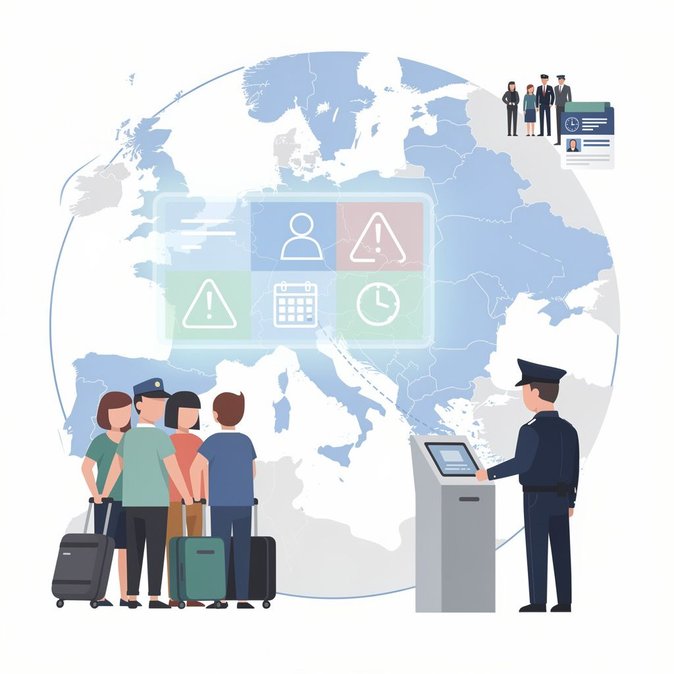
On 16 October the German Bundestag approved the government’s Digital Identity Act (Digitale Identitätengesetz), the final legislative step required to roll out the European Digital Identity Wallet (EUDI-Wallet) in Germany. The law transposes the amended EU eIDAS Regulation, designates the Federal Network Agency as supervisory authority and empowers the Digital Ministry to launch the wallet nationally from January 2027. The EUDI-Wallet will allow residents to store a digital version of their passport or Personalausweis on a mobile device and share verified identity attributes across borders. Use-cases range from opening a bank account online to presenting a digital residence permit during airport checks. For global mobility teams the wallet promises to shorten onboarding times for international hires: employers will be able to verify right-to-work documents or professional licences within minutes rather than days. During the parliamentary debate, business associations welcomed the potential annual administrative savings of €120 million that the government projects for public authorities alone. Critics from the Greens and civil-society groups demanded stronger default privacy settings and open-source reference code to avoid vendor lock-in. Amendments introduced in committee now require the ministry to favour European providers and to issue a public impact assessment before each major functional upgrade. Germany’s timeline is ambitious. A pilot involving the Federal Police, Lufthansa and Frankfurt Airport will begin in March 2027: passengers on selected intra-Schengen flights will board using only the wallet’s biometric QR code. The Foreign Office confirmed that by summer 2027 visas in the new digital Schengen format can also be stored in the wallet, creating a single point of truth for travel credentials. Companies should start assessing how their HR and travel-expense systems can interface with the wallet’s open API. Early adopters may gain a reputational edge in recruiting scarce skilled workers from outside the EU, who will appreciate paper-free processes and faster residence-card issuance at local foreigners’ offices.
Source: Deutscher Bundestag