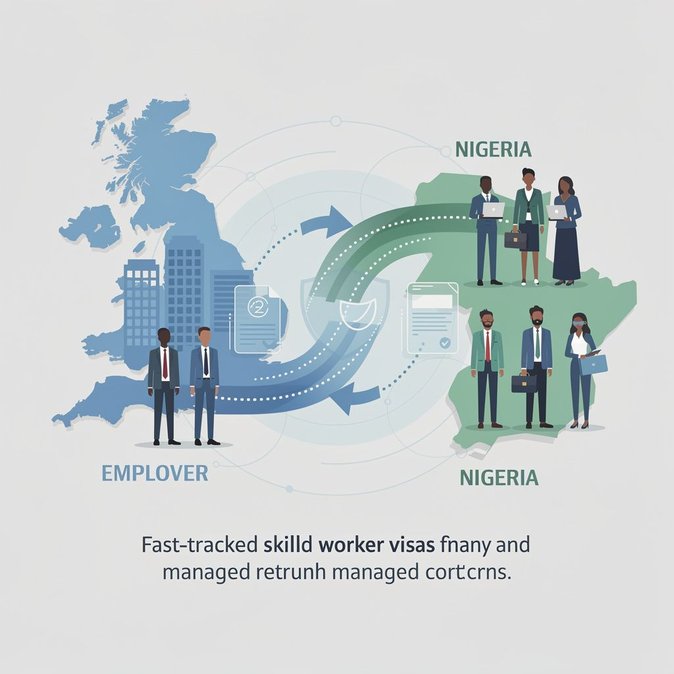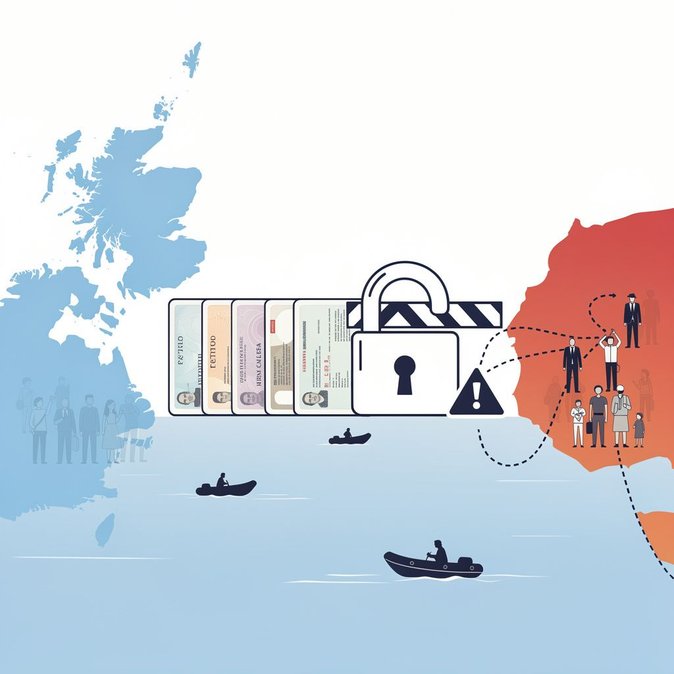
The Home Office has issued its most severe warning yet to the Government of Eritrea, stripping Eritrean officials of fast-track visa processing and threatening to bar all Eritrean nationals from obtaining UK visas if Asmara does not immediately resume cooperation on migrant returns. According to the statement released on 15 October 2026, Home Secretary Shabana Mahmood said Eritrea has "refused to take back foreign criminals and failed-asylum seekers despite months of diplomatic engagement." Eritreans are now the single largest nationality arriving in small boats across the Channel, accounting for an estimated 18 % of irregular arrivals in the 12 months to June 2026. The ultimatum leverages powers in the Nationality and Borders Act 2023 that allow the UK to impose a sliding scale of visa penalties—from suspending priority services to an outright visa embargo—against countries that obstruct enforced returns. Eritrea is the first state to reach the final stage of the ‘visa-brake’ ladder after Angola, Namibia and the Democratic Republic of Congo quickly capitulated at earlier stages. If the full ban is triggered, Eritrean students, workers and family migrants would be locked out of the UK system, forcing multinational employers to reroute assignees and heightening compliance risks for firms with existing Eritrean staff. Human-rights groups warn, however, that forced removals could endanger returnees given Eritrea’s authoritarian record. For mobility managers the message is two-fold: expect much stricter scrutiny on Eritrean applications with immediate effect, and monitor whether other high-risk nationalities—Afghanistan, Cameroon, Myanmar and Sudan are already subject to limited “visa brakes”—move further up the penalty scale. Companies sponsoring Eritrean talent should prepare contingency plans, including remote-work options or redeployment, should a blanket refusal policy come into force.
Source: UK Home Office