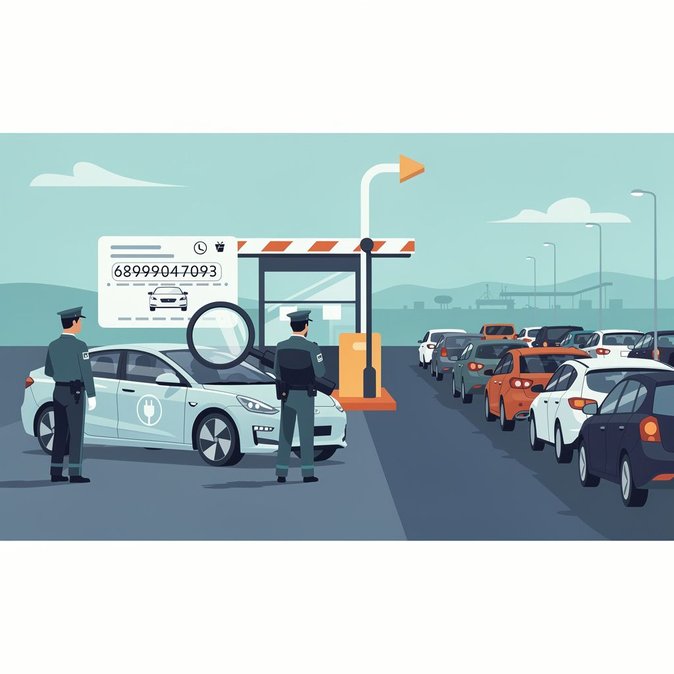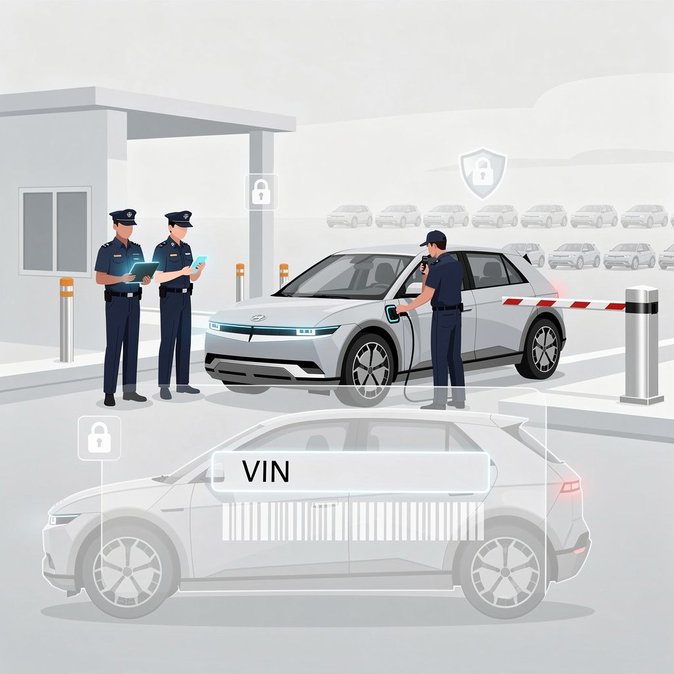
Officers at the Budomierz road crossing on the Polish-Ukrainian border intercepted a Hyundai Ioniq 5 driven by a 56-year-old Ukrainian woman after irregularities were found in the vehicle identification numbers. The car, valued at roughly PLN 300,000 (€70,000), was attempting to exit Poland for Ukraine on 15 October. A detailed forensic inspection revealed tampered VIN plates and re-stamped engine numbers—a common hallmark of cars stolen within the EU and re-exported eastward. The border guard impounded the vehicle and transferred the file to the regional prosecutor; the driver was questioned as a witness and released. The seizure is part of a wider campaign against transnational vehicle theft rings. Since January, the Bieszczady Border Guard unit has recovered 130 stolen vehicles worth nearly PLN 15 million. Electric and hybrid models are increasingly targeted because their high resale value offsets the cost of sophisticated forgery techniques. For corporate fleet managers the incident is a reminder to double-check leasing agreements and track vehicles equipped with keyless entry near high-risk border zones. Insurers may introduce higher deductibles for cross-border use unless telematics or geofencing is in place. Border authorities say they are investing in handheld VIN scanners linked to INTERPOL databases, and plan to integrate the upcoming EU Vehicle Information System in 2027 to automate red-flag checks.