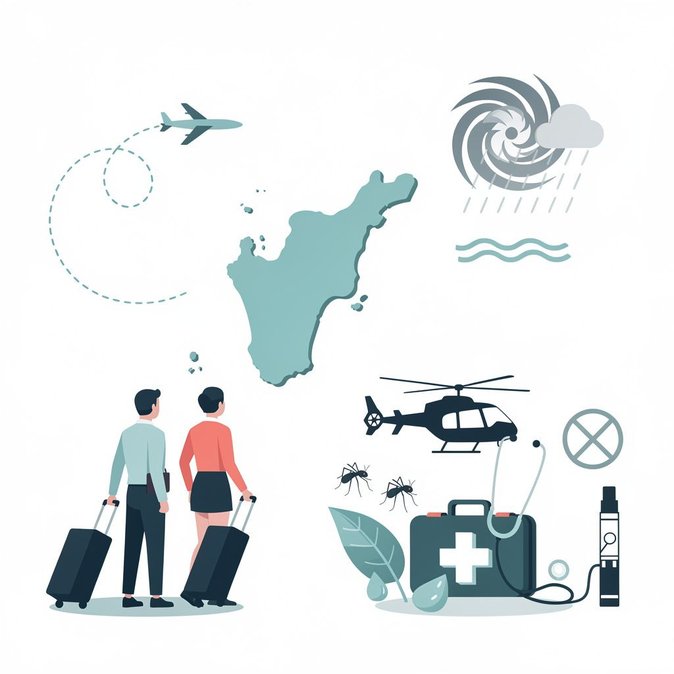
Alongside the high-profile Saudi update, DFAT also refreshed its advice for Fiji on 19 October 2026, keeping the overall level at “Exercise normal safety precautions” but adding detailed guidance ahead of the South Pacific cyclone season that begins in November. The notice urges travellers to register itineraries, maintain flexible bookings and download the Fiji Disaster READY app, a local early-warning platform funded in part by the Australian Government. For the corporate-mobility sector, the timing matters: Fiji will host a record 14 regional conferences between November 2026 and February 2027, including the Pacific Islands Forum Leaders’ Meeting. Event organisers and mobility managers are being advised to build contingency days into agendas, secure accommodation on higher ground and verify that hotels have back-up generators and cyclone-rated shelters. Airlines serving Nadi and Suva have already released waivers allowing free date changes when Fiji’s National Disaster Management Office issues cyclone alerts. Travel-management companies (TMCs) recommend booking through global-distribution-system (GDS) fares rather than web-only tickets to simplify re-routing if airports close. DFAT’s update also highlights a surge in Dengue fever cases—up 38 per cent year-on-year—prompting employers to brief travellers on mosquito-bite prevention and to ensure medical-evacuation coverage includes specialised facilities in Australia or New Zealand. The advice reminds Australians that possession of e-cigarettes remains illegal in Fiji, an often-overlooked regulation that has led to several business travellers being fined or having devices confiscated at the border. Although the overall risk level remains low, corporate insurers note that claims spike during cyclone events. Organisations planning incentive trips or board meetings in Fiji over the wet season should reassess force-majeure clauses and build explicit cyclone-related cancellation terms into vendor contracts.
Source: DFAT – Smartraveller