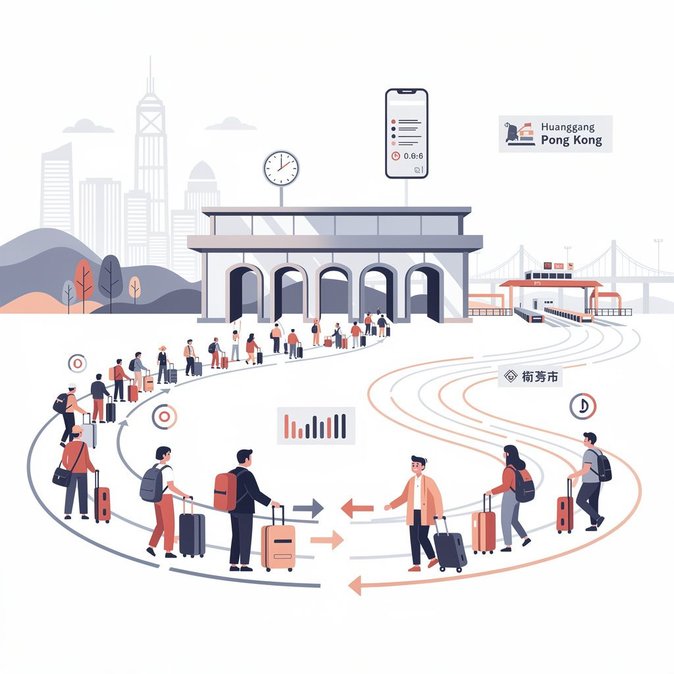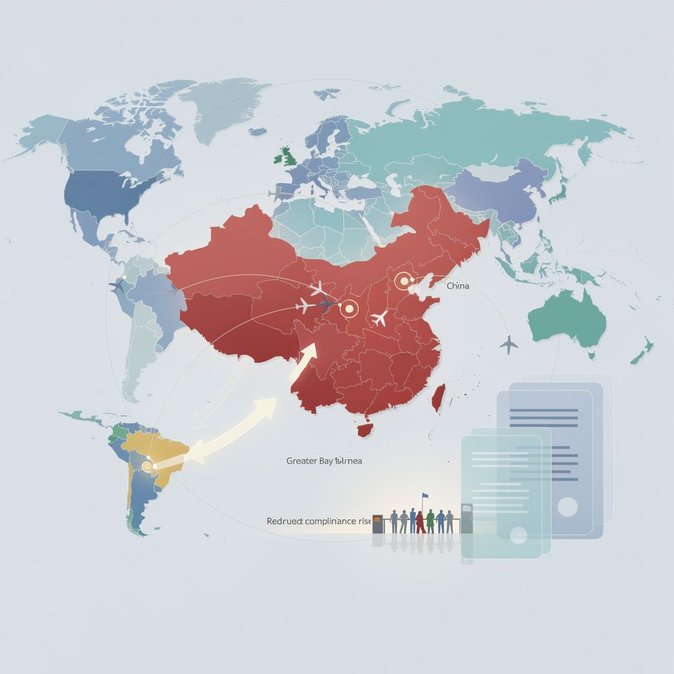
China’s National Immigration Administration (NIA) has quietly published a new set of Frequently-Asked Questions that consolidates – and in several areas expands – the patchwork of regional visa-free programmes that foreign business travellers, tourists and expatriate families rely on. Released on 19 October, the notice confirms that nationals of 61 countries may continue to enter Hainan for up to 30 days without a visa for purposes ranging from meetings and exhibitions to medical treatment. Just as significant for corporate itineraries, the document states that the 72/144-hour visa-free transit programmes now cover 57 countries, reflecting the recent additions of Sweden, Canada and the United Kingdom. For Greater Bay Area (GBA) trips, the NIA reiterates that tour groups of two or more people holding ordinary passports from any of China’s diplomatic partners can travel visa-free for up to six days across nine mainland GBA cities plus Shantou, provided they enter and exit as a group via approved checkpoints. This is a popular option for multinational incentive groups that route through Hong Kong or Macao before heading to tech hubs such as Shenzhen or Guangzhou. A new element that has caught the attention of corporate mobility managers is the explicit approval for ASEAN tour groups (two or more travellers) to enter Yunnan’s Xishuangbanna region visa-free through three designated ports, including the Mohan rail crossing on the China–Laos line. The policy aims to channel more South-East Asian business events and cross-border e-commerce traffic into China’s less-developed south-west. Taken together, the clarifications remove lingering confusion caused by overlapping provincial notices and expand the de-facto list of countries eligible for streamlined entry. Companies moving talent into China should update their global mobility playbooks, especially for short-term assignees whose visas often bottleneck travel calendars. Airlines and travel management companies are expected to see a measurable uptick in demand for multi-city itineraries that leverage the 240-hour transit window – now valid at 65 designated ports nationwide – to stage regional sales meetings without the administrative drag of a full visa.