Visitor-visa wait for Nigerian applicants hits 103 days
IRCC weekly update shows longer waits for work, study & super visas
IRCC to drop LMIA requirement for high-wage Express Entry job offers
Latest News

Visitor-visa wait for Nigerians stretches to 103 days, IRCC data show
IRCC’s processing-times tool now shows a 103-day average for visitor-visa files lodged in Nigeria, up from around 85 days a month ago and far above the 14-day service standard. The jump complicates business travel and family visits and could dampen commercial engagement with Nigeria unless timelines improve.

Alberta referendum rejects separation but backs tougher immigration limits
Alberta’s referendum kept the province in Canada but approved five non-binding questions calling for lower immigration and restricted access to benefits. The result adds pressure on Ottawa and could complicate corporate recruitment strategies in Alberta.

Newfoundland & Labrador issues 126 invitations in latest PNP draw
Newfoundland and Labrador invited 126 candidates in an October 16 draw, bringing its 2026 tally to 2,952. The province continues to lean on immigration to fill health, tech and rural labour shortages.

IRCC clarifies Significant-Benefit (C10) work-permit rules in fresh Program Delivery Update
IRCC removed an obsolete banner from its C10 significant-benefit work-permit instructions on 20 October 2026, reinforcing that start-up-visa applicants must now use code A77. The update leaves core C10 criteria intact but underlines that the category is reserved for unique cases offering demonstrable economic, social or cultural gain to Canada. Employers must still submit an offer through the Employer Portal and pay the compliance fee before filing.

Destination Canada, Air Canada & Lufthansa launch South-India marketing pilot
A new partnership unveiled October 20 sees Destination Canada, Air Canada and Lufthansa combine airline distribution data with destination marketing to grow arrivals from South India starting in 2027. The pilot could become a template for other emerging markets.
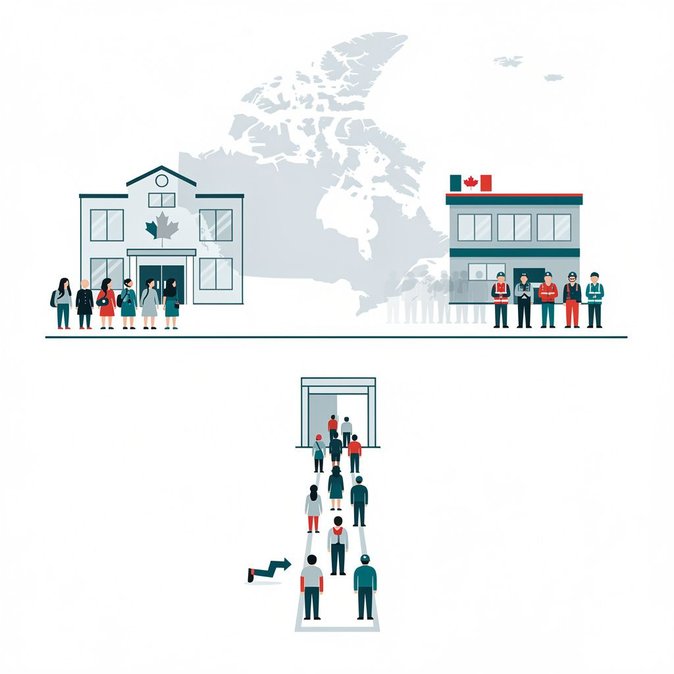
Canada to cut student & temporary worker arrivals, fast-track PR for 33,000 workers
IRCC’s draft 2026-28 Immigration Levels Plan, reported October 20, cuts new international student and temporary-worker arrivals while keeping the PR target at 380,000. Up to 33,000 existing workers will get accelerated PR pathways. Employers must prepare for tighter TFW quotas, while schools face fiercer competition for study-permit allocations.

Foreign interest in Canadian jobs falls to 3 %, Indeed data show after policy clamp-down
Indeed Hiring Lab’s 20 October report shows the foreign share of clicks on Canadian job ads has halved since 2023, reaching 3 % in September 2026. The drop coincides with tighter study-permit caps and other temporary-resident restrictions, raising concerns about future skills shortages in engineering and other high-demand fields.

Ottawa updates Serbia travel advisory ahead of 25 October elections
On 20 October 2026, Canada updated its Serbia travel advisory to flag potential demonstrations linked to the 25 October parliamentary elections and reiterated higher caution near the Kosovo border. Canadian companies with staff or projects in Serbia should revisit security plans and insurance coverage.

Canada updates Serbia travel advisory ahead of October 25 elections
Ottawa’s October 20 advisory for Serbia warns of possible protests around the October 25 elections and reiterates higher risks near the Kosovo border. Canadian travellers and employers should review itineraries and register trips.

Former Alberta Premiers Unite Against Immigration Questions in 19 October Referendum
Hours before Albertans head to the polls, three former premiers from across the political spectrum have called for a ‘no’ vote on five referendum questions that seek to tighten immigration-related benefits and job access. A ‘yes’ outcome could spur provincial legislation affecting health coverage and social-program eligibility for temporary residents, raising mobility costs and complicating talent attraction to Alberta.

Cross-Party Alberta Ex-Premiers Urge ‘No’ on Immigration Referendum Questions
Alberta holds a province-wide referendum today that includes five contentious immigration questions. Three former premiers from different parties have called for a ‘No’ vote, arguing the measures would harm Alberta’s ability to attract and keep talent. Although the ballot is advisory, the result could shape future provincial negotiations with Ottawa and influence employer costs for foreign workers.

Canada to Fast-Track Licensing for Doctors Trained in Belgium, Denmark, Japan and Germany
Regulators have agreed that medical education and certification in Belgium, Denmark, Japan and Germany are on par with Canada’s, clearing the way for accelerated licensing of physicians trained in those countries. Provinces are expected to waive or shorten redundant exams, easing recruitment under Express Entry health draws and work-permit exemptions. The move will shorten relocation timelines, boost Canada’s competitiveness for global medical talent and improve access to care in underserved regions.

Express Entry Draw #450 Issues 5,000 Invitations to French-Speaking Candidates
In its third federal draw of the week, IRCC invited 5,000 French-speaking Express Entry candidates at a CRS cut-off of 435. The large invitation round advances Canada’s goal of boosting Francophone immigration outside Quebec and offers employers a faster path to PR for bilingual talent. Firms with operations in bilingual regions should integrate the policy into recruitment strategies while candidates ensure their French test scores and profiles are up-to-date.

IRCC’s October Processing-Time Refresh Shows Persistent Backlogs but No New Deterioration
IRCC’s mid-October refresh leaves most permanent-residence, family sponsorship and citizenship processing times unchanged from early September. Express Entry economic files still run six-to-seven months, while family and Atlantic program queues remain well over target. The flat figures give employers a firmer planning baseline, but sustained backlogs mean bridging work-permit strategies and realistic start-date conversations are still essential.

Employers Catch a Break as LMIA Processing Times Halve for Permanent-Residence Stream
September statistics show LMIA processing times have fallen sharply: the permanent-resident stream dropped to 79 business days and the Global Talent Stream averaged nine days. Faster decisions shorten critical-talent timelines and improve Canada’s competitiveness, though high-wage LMIAs remain near 100 days. Employers should file early and monitor whether improvements survive the year-end application surge.

French-Language Express Entry Draw Issues Record 5,000 ITAs at CRS 435
Canada invited 5,000 French-speaking Express Entry candidates on 16 October – the largest Francophone-targeted round of 2026 – with a CRS cut-off of 435. The draw strengthens Ottawa’s push to boost Francophone immigration outside Quebec and gives employers a faster path to retain bilingual talent without LMIA costs.

IRCC Brings Back Detailed Application Status Tracker for PR, Study and Work-Permit Files
IRCC has relaunched its Application Status Tracker, giving applicants and employers real-time visibility into eligibility, medicals, background checks and biometrics across key immigration programs. The detailed, section-level update helps global-mobility teams manage timelines and respond quickly to document requests, supporting smoother travel and onboarding plans.

Prince Edward Island Holds Second October PNP Draw, Issues 163 Invitations
Prince Edward Island confirmed 163 provincial nominations from its 16 October draw, its second selection round this month. All invitations went to Labour Impact and Express Entry candidates, signalling PEI’s push to exhaust its 2026 allocation and fast-track workers in critical sectors.

British Columbia PNP Issues 16 Invitations in Rural Health Draw as One-Time Pathway Winds Down
B.C. invited 16 candidates in the latest draw of its Rural/Remote Health Support Initiative, signalling that the one-time pilot is nearing completion. Employers must act quickly: invited staff have 30 days to submit full provincial-nomination applications, after which no new registrations are possible. The pilot’s trajectory suggests B.C. may deploy more narrowly-targeted immigration streams to address critical labour gaps in 2027.