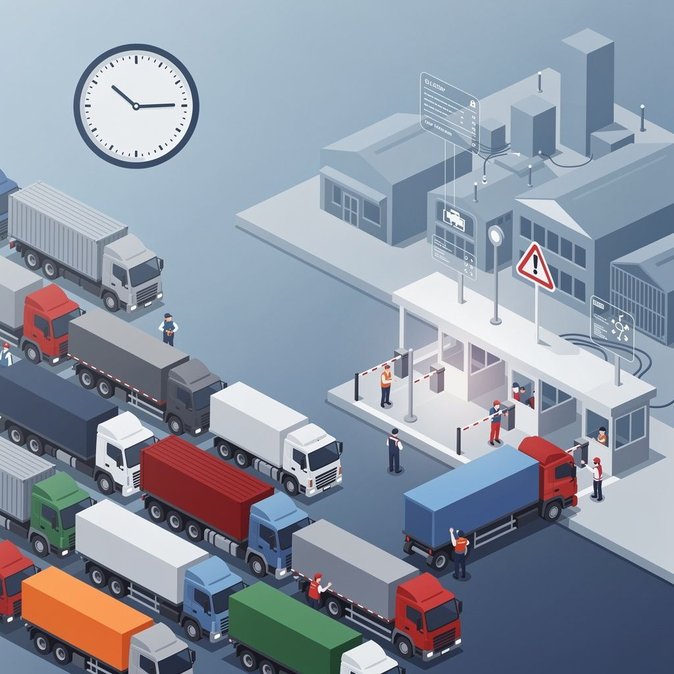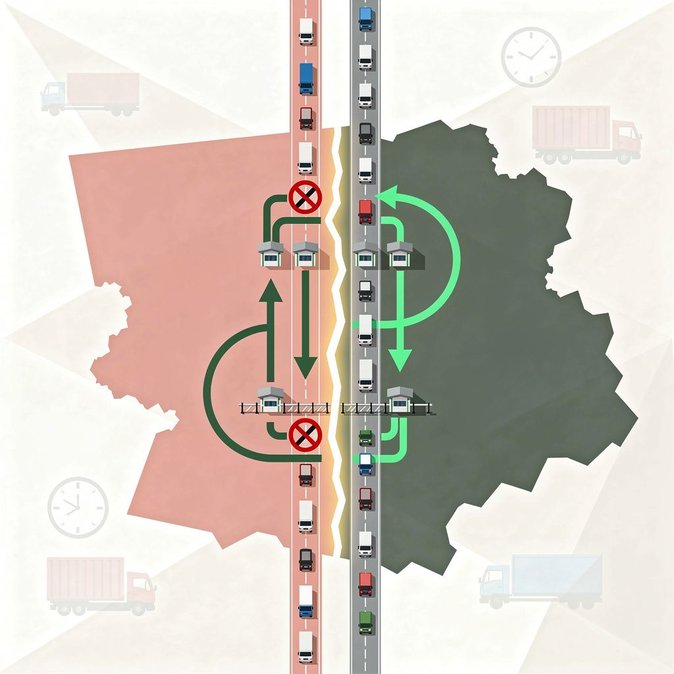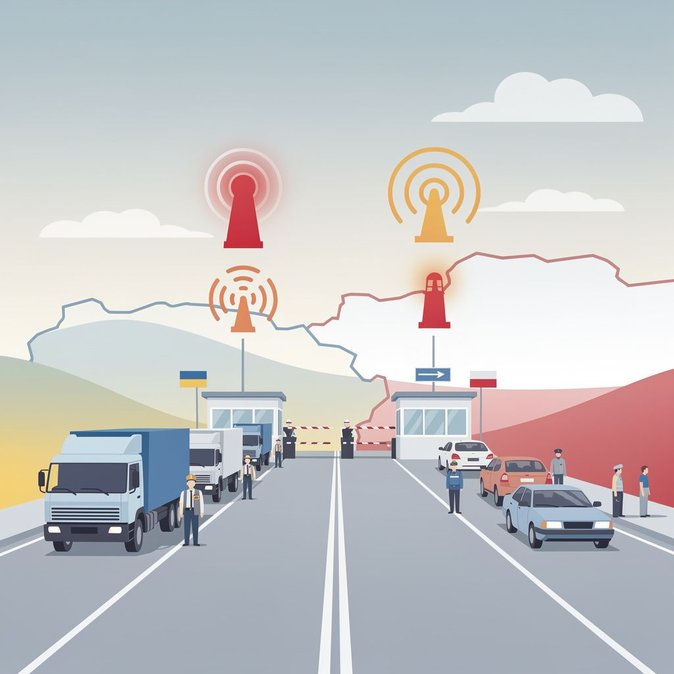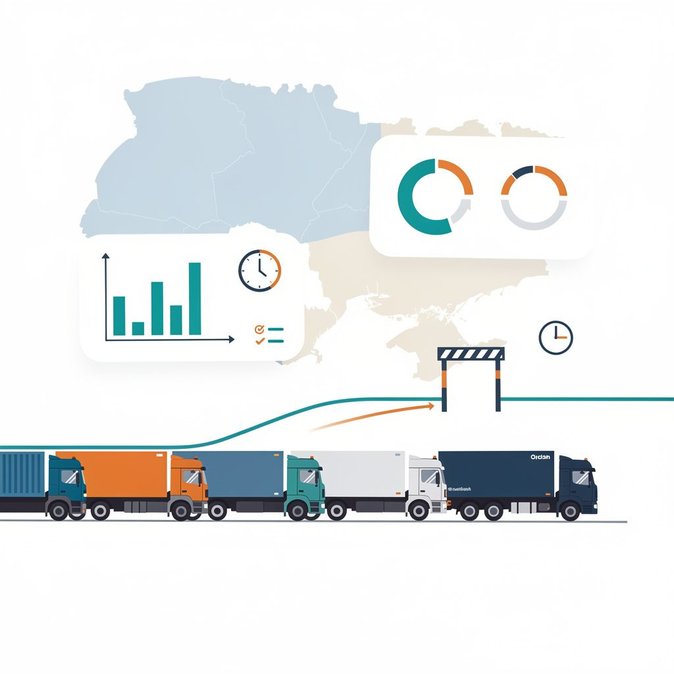
The independent portal KolejkaNaGranicy.pl reported at 16:50 CET on 21 October that the longest wait to enter Poland stood at 3 hours 35 minutes on the Korchova–Krakivets crossing with Ukraine. The data, refreshed every ten minutes and sourced from both Polish Border Guard systems and Ukraine’s eCherha booking platform, paint a granular picture of congestion across four Polish external borders and Germany’s temporarily controlled Schengen line. For corporate mobility teams, the site has become an indispensable planning tool. By comparing live feeds from granica.gov.pl, the Ukrainian State Border Service and crowdsourced driver reports, the platform generates predictive averages and highlights off-peak windows—usually between 01:00 and 05:00—when commercial drivers can shave hours off transit times. The 21 October snapshot also flagged Terespol–Brest on the Belarus route as the slowest outbound lane from Poland (2 h 15 min) and noted that Germany’s Świecko and Zgorzelec crossings were running sub-40-minute checks despite Berlin’s extended internal controls. The service illustrates how open data and simple visualisation can ease the pain of Europe’s patchwork of temporary borders. Freight forwarders now integrate the API into dispatch software, while HR teams moving expatriates by road during regional flight disruptions use it to decide between car and rail. The portal’s popularity grew after Poland, Germany and Lithuania reinstated Schengen checks in early October, creating uncertainty even on traditionally queue-free internal frontiers. Experts caution, however, that live figures are estimates. Sudden security stoppages—such as Wednesday’s air-raid alerts on the Ukrainian side—can invalidate predictions within minutes. Travellers are urged to monitor official Telegram channels and carry contingency supplies, especially as autumn weather brings fog and earlier night-time closures for road maintenance. Still, the emergence of near-real-time border analytics marks a significant step in mitigating the human and commercial cost of Europe’s shifting mobility landscape. Businesses with Polish operations should encourage drivers and relocating staff to consult the tracker before departure and build its API hooks into routing dashboards.
Source: KolejkaNaGranicy.pl