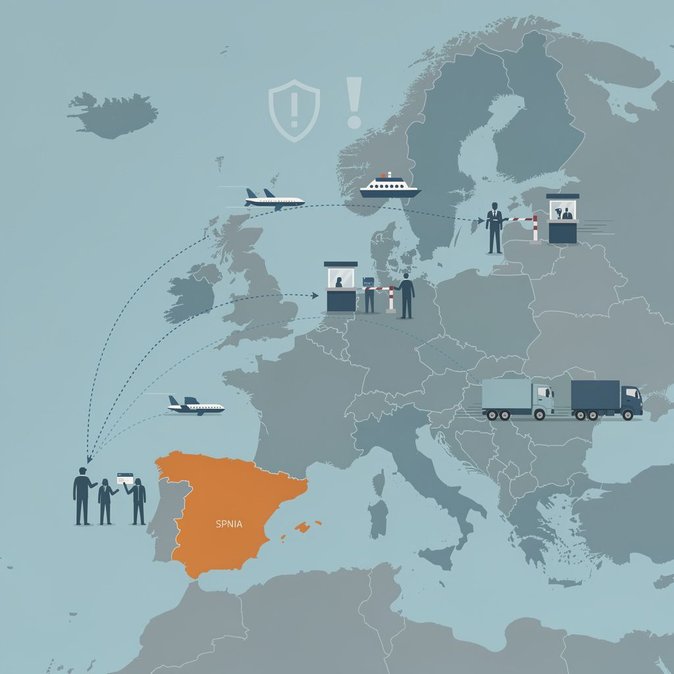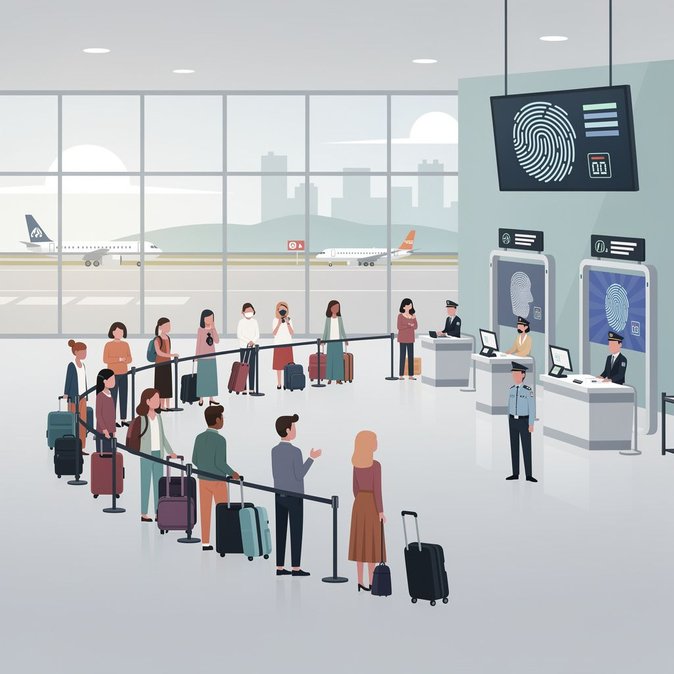
A detailed traveller report published on 12 November warns that non-EU passengers at Madrid-Barajas are now queuing up to 50 minutes at peak times because of the EU Entry/Exit System (EES). The blog post, based on on-site observations and European Commission guidance, stresses that first-time biometric enrolment (face and four fingerprints) is creating a bottleneck at terminals 4S and 1. Airlines have started paging connecting passengers to disembark earlier rows first, while Airport Authority AENA confirms it is hiring 120 extra border-police officers through a fast-track scheme valid until 15 January. Business-class fast-track lanes remain open but still funnel travellers into the same enrollment booths, limiting time savings. Corporate mobility teams should advise staff to allow at least three hours for outbound long-haul departures until enrollment stabilises. Failure to record an “exit” in the EES can trigger an over-stay flag that may jeopardise future Schengen visas, so travellers should retain boarding passes or gate photos as back-up evidence. Looking ahead, Spain plans to roll out ETIAS travel-authorisation checks in March 2027; systems integration trials will take place overnight between 22:00 and 04:00 on 28 November, potentially adding further disruption.
Source: Tapas Tour Madrid Blog