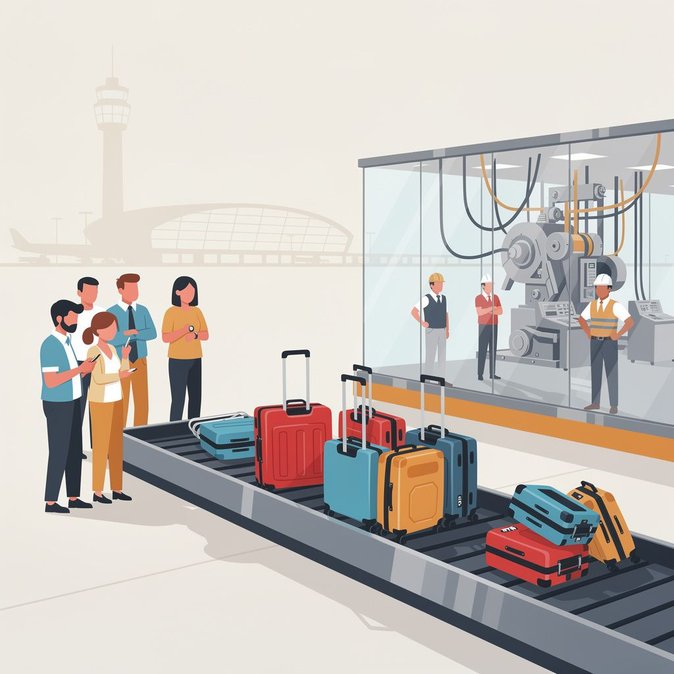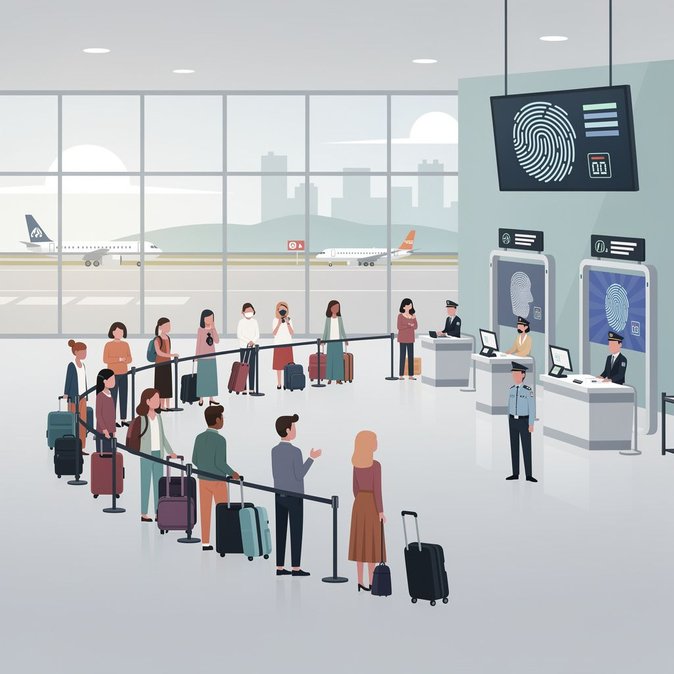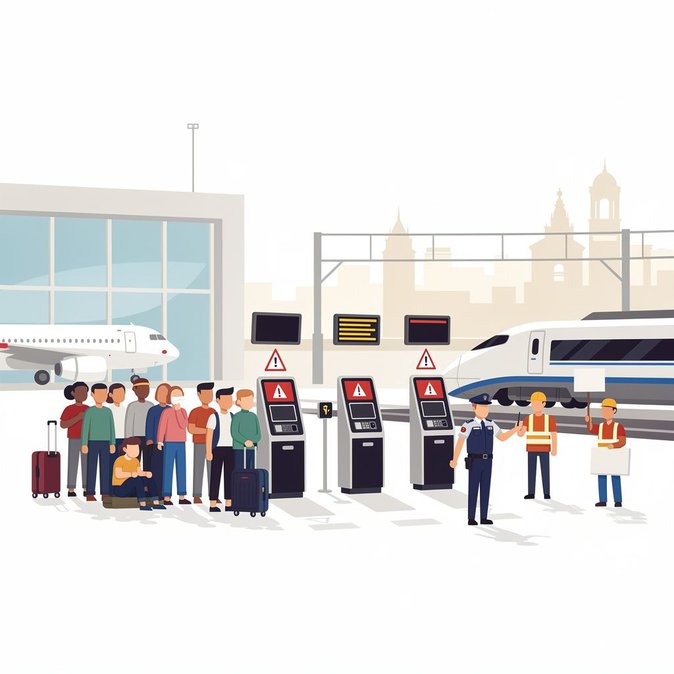
Spain’s 24-hour general strike on 11 November—its first since 2012—caused patchy disruption across airports, ports and railways despite government-imposed minimum-service levels. Aviation data compiled by NonRev Travel News shows 12 % of domestic flights were delayed more than 30 minutes, with Madrid-Barajas and Barcelona-El Prat worst affected. Striking unions targeted baggage handling, air-traffic flow management and long-distance rail. The walk-out also provided the first large-scale stress test for Spain’s new digital border “front-end” connected to the EU’s EES platform. Border police reported that kiosk failure rates doubled during the shift change when backup IT staff were off duty, lengthening queues for non-EU travellers. Business-traveller tips: check-in online, travel with carry-on only where possible and download the AENA app for gate changes. Multinationals with critical movements on 17 November (when Renfe drivers plan a separate 24-hour strike) should consider charter coaches or video-conference alternatives. Politically, unions claim 1.8 million participants, while the Ministry of Labour puts the figure at 520,000. Either way, the strike underscores wage-pressure dynamics ahead of Spain’s 29 November general election and hints at further labour unrest that could complicate corporate mobility programmes into 2027.
Source: NonRev Travel News