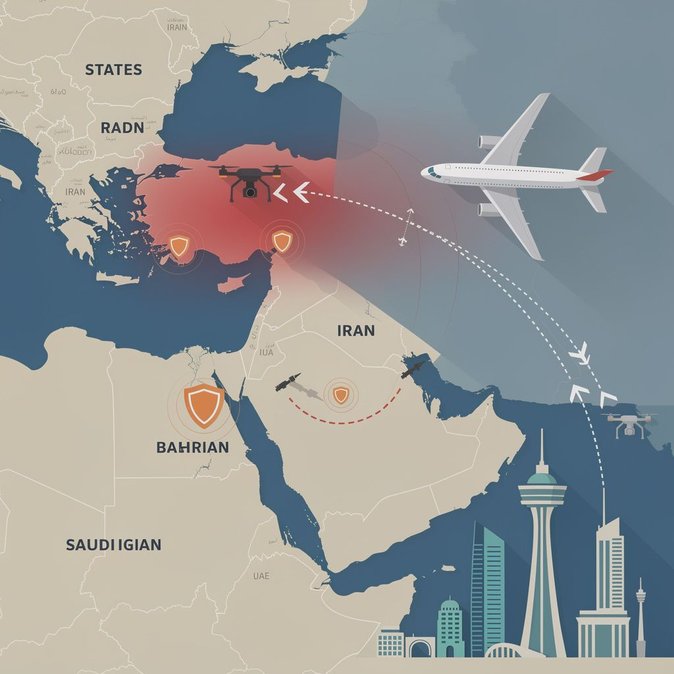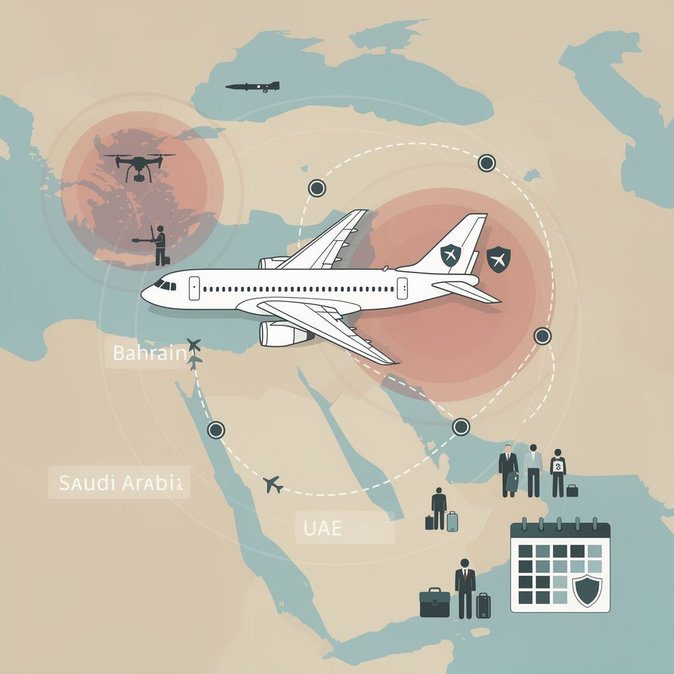
Condé Nast Traveller Middle East’s 16 November update paints a sobering picture for corporate flight planners. Weekend drone strikes in Bahrain, intercepted missiles over Saudi Arabia and tanker incidents near the Strait of Hormuz have forced multiple carriers to push service resumptions well into 2027. Etihad has cancelled Abu Dhabi–Riyadh and Dammam flights until 19 November, while flydubai has extended suspensions on Riyadh and Abha services. European airlines are particularly cautious: KLM, Air Canada and Singapore Airlines now list Dubai returns in 2027, and ITA Airways has delayed Riyadh services to January that year. Although Emirates and British Airways have restored most Dubai flights, they warn of rolling delays and potential reroutes around the Gulf of Oman, adding up to 45 minutes of flight time to some sectors. For expatriate managers finalising year-end home-leave schedules, seat availability is tightening fast. Travel buyers should lock in flexible fares and confirm change-fee waivers. Corporate insurance brokers report that some underwriters are imposing additional premiums on journeys transiting the Jeddah FIR or overflying Bahraini waters, costs that may need to be recharged to project budgets. The article also highlights duty-of-care best practice: keep employee profiles updated, equip travellers with real-time alert apps and ensure they know how to reach 24/7 security hotlines. Firms relying on crew rotations via Riyadh’s King Khalid International Airport should evaluate land transfers to Dammam or Kuwait City, both of which currently enjoy more stable operations. Looking forward, regional analysts predict a six-month window of elevated uncertainty. Companies should therefore stress-test mobility policies against prolonged route suspensions, including the potential need to re-locate assignments or switch supply chains away from just-in-time air freight.
Source: Condé Nast Traveller Middle East