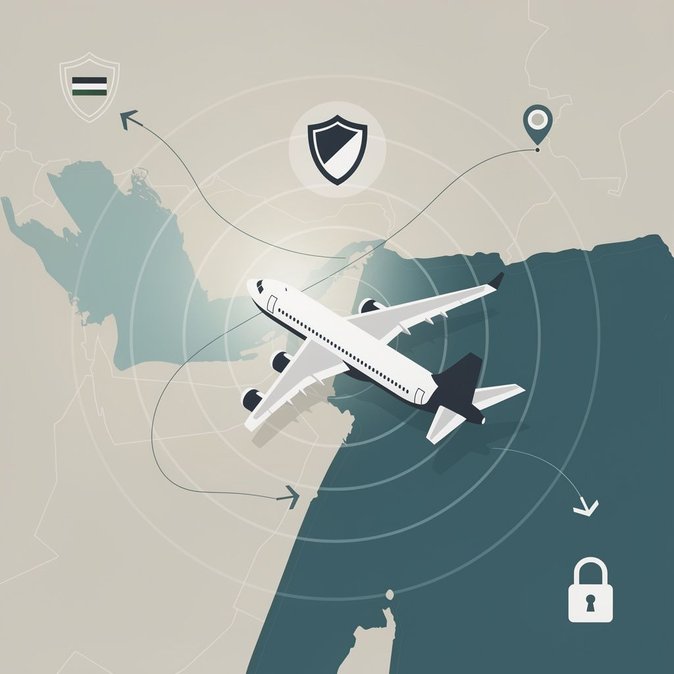
The European Union Aviation Safety Agency (EASA) issued an updated Security Information Bulletin late on 21 November, advising carriers to maintain “extreme vigilance” when operating in the airspace of Bahrain, Kuwait, Qatar, Saudi Arabia and the United Arab Emirates following new threats by Yemen’s Houthi movement. Although the bulletin stops short of imposing a no-fly zone, it recommends flight-planning at higher cruising levels, adjusting routings away from the Gulf of Oman and ensuring crews receive recurrent hostile-fire training. Major Gulf hubs—including Dubai (DXB) and Doha (DOH)—remained open on 21 November, but several European and Asian carriers told UECN they are assessing whether to up-gauge wide-body aircraft on surviving routes to consolidate capacity. Industry analysts note that the advisory follows a sharp uptick in premium-class no-shows from risk-averse corporate travellers. Multinational firms with critical staff transiting the UAE are revisiting travel-approval thresholds and considering virtual alternatives for intra-GCC meetings until the situation stabilises. For now, UAE air-navigation provider SANS has not issued new Notices to Airmen (NOTAMs), and the country’s General Civil Aviation Authority emphasises that no inbound or outbound services have been curtailed within UAE airspace. However, should the conflict escalate, insurers could raise war-risk premiums—cost increases that would filter quickly into ticket prices.
Source: UECN