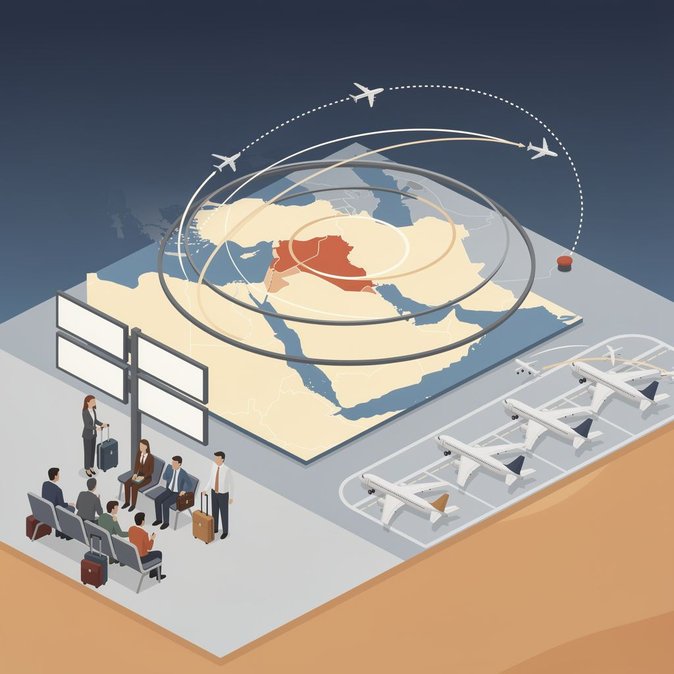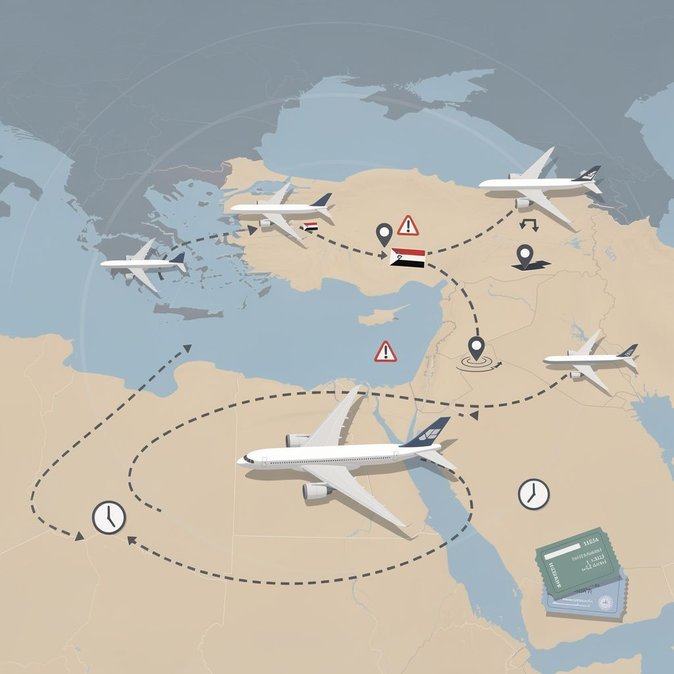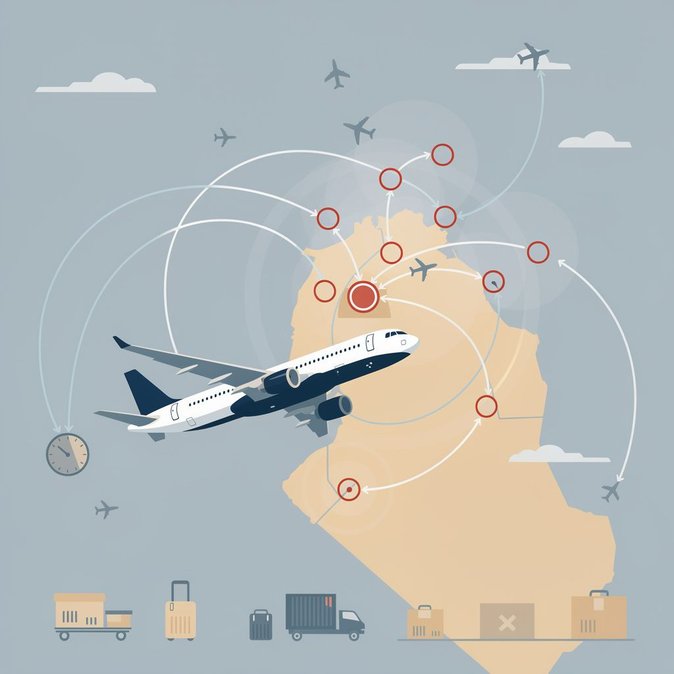
The General Civil Aviation Authority (GCAA) announced in the early hours of 27 July 2026 that it had ordered a temporary, partial closure of segments of the United Arab Emirates’ airspace. Officials said the step followed a joint security-risk assessment with domestic and international partners after a spike in drone and missile activity across the Gulf. Although the closure does not constitute a full grounding of flights, it limits traffic on certain approaches and altitudes, forcing airlines to reroute or delay services. According to the GCAA statement, safety of passengers and crews remains “the absolute priority.” The Authority urged travellers to stay in close contact with carriers for rebooking or hotel accommodation if necessary. Dubai International (DXB) and Abu Dhabi Zayed International (AUH) are operating but at reduced arrival rates, leading to rolling delays averaging 60-90 minutes on regional and long-haul services. Cargo operators have also been instructed to file revised flight plans, with Emirates SkyCargo warning clients of possible backlogs at Al Maktoum International (DWC). Partial airspace closures are not unprecedented in the UAE; a similar measure was imposed for 48 hours in February during the height of the Iran conflict. Aviation lawyers note, however, that each closure obliges companies to revisit crew-duty and insurance clauses, adding administrative burden and cost. Multinational employers managing short-notice business trips should therefore build additional buffer time into itineraries and verify that travel policies treat war-risk surcharges as reimbursable expenses. From a mobility-program perspective, assignees with back-to-back trips in the region should keep boarding passes and delay notifications for payroll and tax substantiation, as altered routing can affect “days-in-country” calculations. Global mobility teams are also advised to remind staff to register with their home government’s traveler-tracking systems to receive security updates in real time. The GCAA has not indicated when the restrictions might be lifted but promised at least six hours’ notice before any change. Corporate travel managers should monitor NOTAMs and airline advisories closely and review contingency plans covering remote work, extended hotel stays and psychological support for employees traveling during regional crises.
Source: Emirates News Agency (WAM)