A coalition of 88 civil-society organisations, led by the Platform for International Cooperation on Undocumented Migrants (PICUM), issued a joint statement on 16 February calling on EU institutions to reject the proposed Deportation—or “Return”—Regulation. The text is due to be put to a vote in the European Parliament’s LIBE committee in early March.
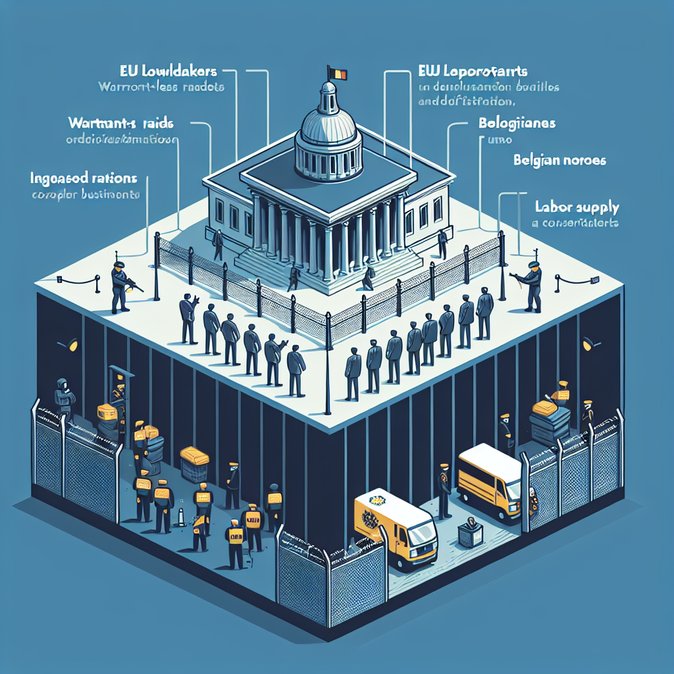
The draft law would compel Member States to step up identification and expulsion of people without legal status, permit home and workplace raids without a judicial warrant, and oblige public-service providers to report undocumented users. NGOs—including Belgian groups 11.11.11 and CIRÉ—warn the measures mirror controversial U.S. ICE practices and will normalise racial profiling across Europe. Médecins du Monde says similar rules in the United States have already deterred pregnant women and chronically ill migrants from seeking healthcare, creating a public-health risk.
![88 NGOs Urge EU to Scrap ‘Return Regulation’ Ahead of Key Vote in Brussels]()
For Belgium, the regulation could translate into more frequent police sweeps at Brussels-South railway station, industrial zones around Zeebrugge port and even temporary “overflow” detention facilities—policy ideas occasionally floated by successive Belgian governments. Corporate mobility teams fear workplace raids could expose companies hosting international contractors to reputational and compliance risks.
Business chambers have a different concern: accelerated returns may restrict the local availability of certain lower-skilled workers whom industries—from horticulture in Flanders to logistics in Wallonia—quietly rely on. If passed, the regulation would apply six months after publication, giving employers limited time to regularise staff or redesign supply models.
Action points: audit your Belgian entities for undocumented labour risk; brief HR on the possibility of stricter ID checks by social-inspection services; and follow the LIBE vote (expected week of 9 March). If the text clears committee, engage trade associations to lobby for safeguards in the plenary negotiations.
The draft law would compel Member States to step up identification and expulsion of people without legal status, permit home and workplace raids without a judicial warrant, and oblige public-service providers to report undocumented users. NGOs—including Belgian groups 11.11.11 and CIRÉ—warn the measures mirror controversial U.S. ICE practices and will normalise racial profiling across Europe. Médecins du Monde says similar rules in the United States have already deterred pregnant women and chronically ill migrants from seeking healthcare, creating a public-health risk.

For Belgium, the regulation could translate into more frequent police sweeps at Brussels-South railway station, industrial zones around Zeebrugge port and even temporary “overflow” detention facilities—policy ideas occasionally floated by successive Belgian governments. Corporate mobility teams fear workplace raids could expose companies hosting international contractors to reputational and compliance risks.
Business chambers have a different concern: accelerated returns may restrict the local availability of certain lower-skilled workers whom industries—from horticulture in Flanders to logistics in Wallonia—quietly rely on. If passed, the regulation would apply six months after publication, giving employers limited time to regularise staff or redesign supply models.
Action points: audit your Belgian entities for undocumented labour risk; brief HR on the possibility of stricter ID checks by social-inspection services; and follow the LIBE vote (expected week of 9 March). If the text clears committee, engage trade associations to lobby for safeguards in the plenary negotiations.
Source: The Brussels Times
How VisaHQ can help
VisaHQ simplifies the visa application process for individuals and businesses. Check current travel requirements, prepare the required documents and manage your application online through the VisaHQ Belgium portal.More From Belgium
View all
Germany Extends Border Checks with Belgium for Another Six Months, Raising Mobility Concerns

Eurostar Warns of Lengthy Delays Between Brussels-Midi and Paris Gare du Nord After Track Problems and Weather Hit Benelux Corridor