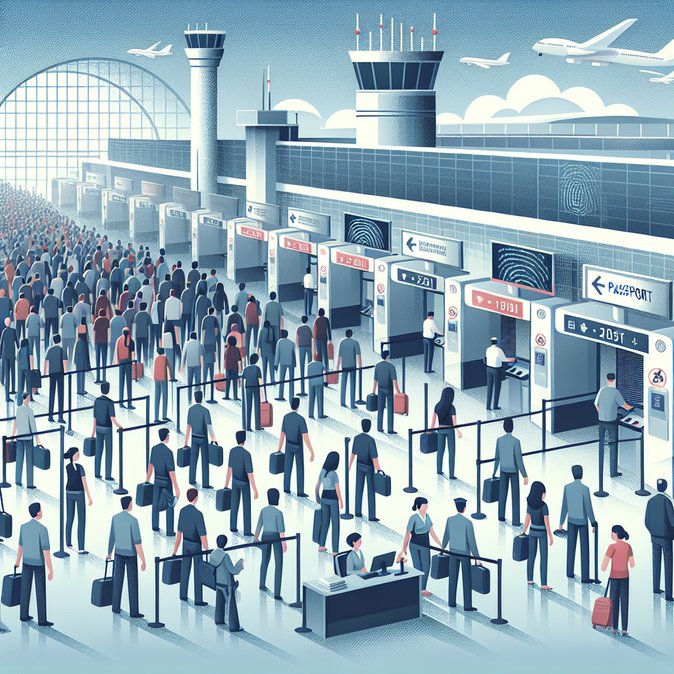
Airports and airlines sounded the alarm on 14 February 2026, warning that the European Union’s new biometric Entry/Exit System (EES) risks creating passport-control queues of two hours or more during the first post-pandemic summer without capacity caps. Although the Euro Weekly News article focused on Spain, the joint statement by ACI Europe, Airlines for Europe and IATA was issued from Brussels and applies equally to Belgium’s main hub.
Under EES, every non-EU traveller must register fingerprints and a facial image the first time they cross an external Schengen border after 10 April. Brussels Airport plans to add 30 self-service kiosks, yet union officials say federal police staffing has not kept pace. During last week’s trial the e-gates processed only 35 percent of eligible passengers before reverting to manual checks, mirroring problems seen elsewhere in Europe.
![Summer Warning: EU Entry/Exit System Could Snarl Brussels Airport Queues]()
If no flexibility is granted, industry bodies fear peak-season queues could stretch to four hours, disrupting tight transfer windows for Brussels Airlines and its Star Alliance partners. Long waits also raise compliance questions: overstays will be logged automatically, and business travellers could face re-entry bans if exit data are missed because of missed connections.
Corporate mobility teams should begin warning assignees and frequent travellers to pad itineraries, ensure passports have at least two blank pages for fallback stamping, and carry evidence of Schengen days remaining. Employers running group moves this summer may need to pre-book fast-track services or schedule arrivals outside traditional peaks between 07:00 and 11:00. The European Commission is expected to respond to the industry letter before Easter; a partial suspension of mandatory registration until October is one option on the table.
Under EES, every non-EU traveller must register fingerprints and a facial image the first time they cross an external Schengen border after 10 April. Brussels Airport plans to add 30 self-service kiosks, yet union officials say federal police staffing has not kept pace. During last week’s trial the e-gates processed only 35 percent of eligible passengers before reverting to manual checks, mirroring problems seen elsewhere in Europe.
If no flexibility is granted, industry bodies fear peak-season queues could stretch to four hours, disrupting tight transfer windows for Brussels Airlines and its Star Alliance partners. Long waits also raise compliance questions: overstays will be logged automatically, and business travellers could face re-entry bans if exit data are missed because of missed connections.
Corporate mobility teams should begin warning assignees and frequent travellers to pad itineraries, ensure passports have at least two blank pages for fallback stamping, and carry evidence of Schengen days remaining. Employers running group moves this summer may need to pre-book fast-track services or schedule arrivals outside traditional peaks between 07:00 and 11:00. The European Commission is expected to respond to the industry letter before Easter; a partial suspension of mandatory registration until October is one option on the table.
Source: Euro Weekly News