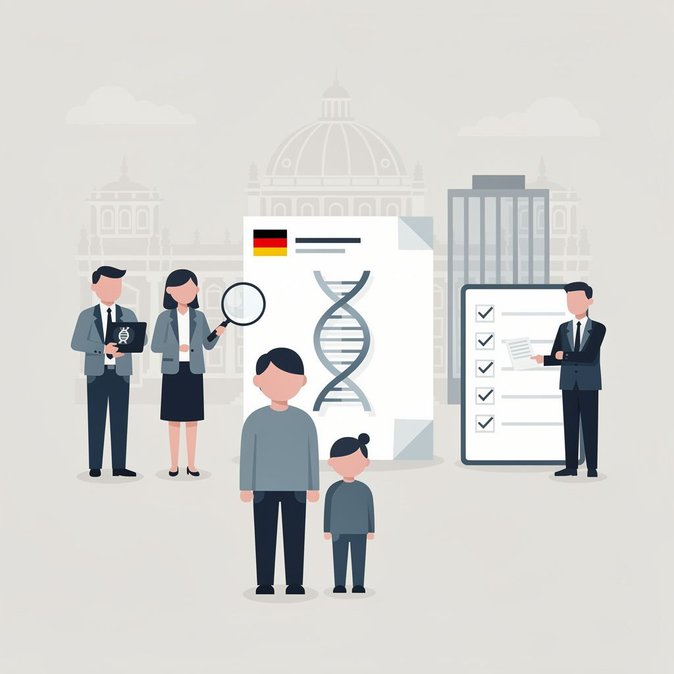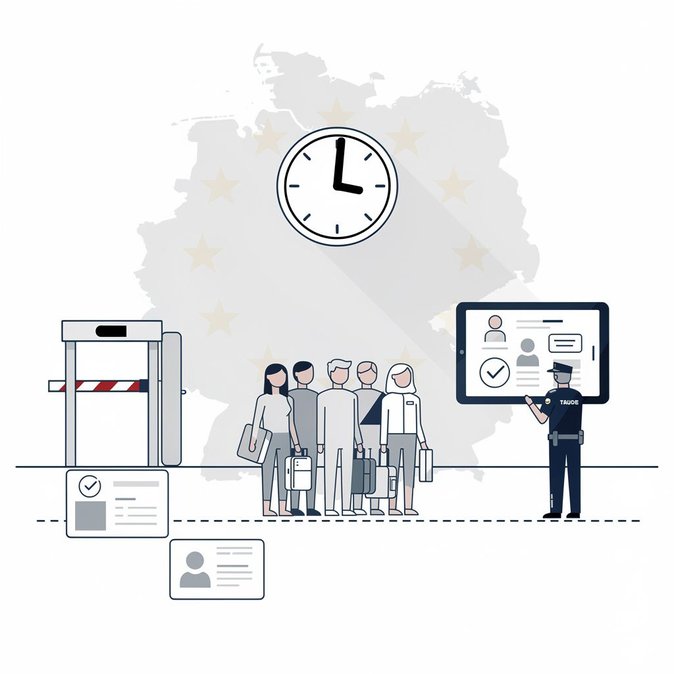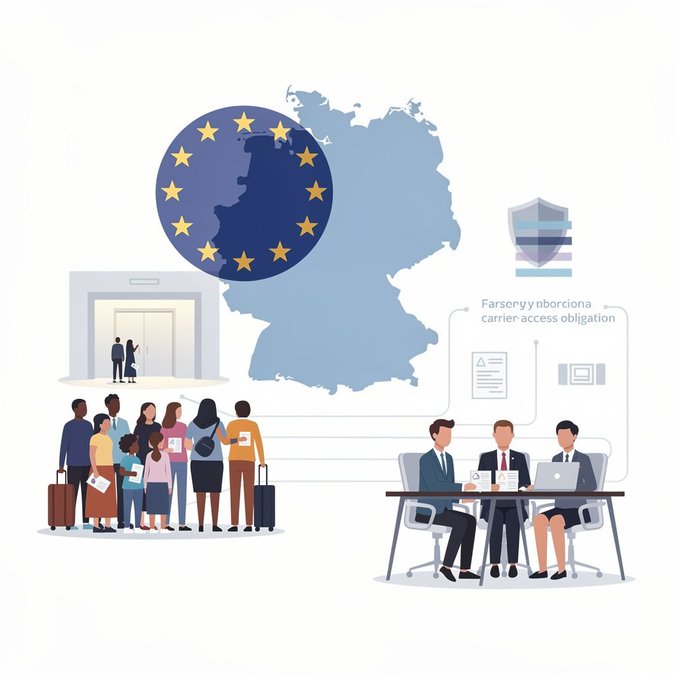
After two years of legislative fine-tuning, the EU Pact on Migration and Asylum became fully applicable today, reshaping external-border management, asylum timelines and solidarity mechanisms among Member States. Although the reform is European, Germany – the bloc’s top destination for skilled migrants – faces immediate operational tasks. Key elements include mandatory biometric registration of all irregular arrivals, a 12-week border procedure for applicants from countries with low recognition rates, and a permanent solidarity pool under which Germany could be asked to take additional migrants or pay into a relocation fund. Berlin’s interior ministry confirmed that secondary-migration centres in Dresden and Hamburg will open on 1 July to manage transfers. For employers the most tangible change is faster labour-market access. The Pact allows asylum applicants to work after six months; Germany has opted for an even shorter three-month window (aligned with its updated Asylum Act). Sectors facing labour shortages – notably care, hospitality and seasonal logistics – could benefit. Travel compliance will, however, tighten. From 12 October 2025 the EU Entry-Exit System becomes compulsory, and today’s Pact obliges carriers to transmit passenger data for risk-profiling, exposing companies to fines if manifests are inaccurate. Mobility teams should ensure duty-of-care platforms capture real-time border-crossing data once the system goes live. Finally, the Pact’s revised Eurodac rules mean that fingerprints taken in another Member State remain valid for ten years. Employees who applied for asylum elsewhere before regularising their status in Germany may see old biometric records resurface during future permit renewals – a scenario HR should flag during compliance audits.
Source: Insight EU Monitoring