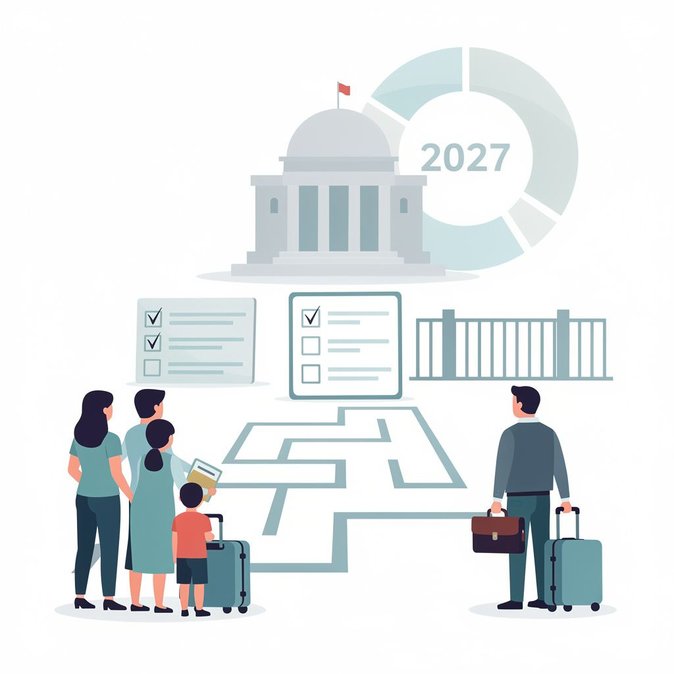
On 11 June 2026 the Eduskunta (Parliament) passed a landmark bill—153 votes to 21—that will require all future citizenship applicants to pass a standardised knowledge test in either Finnish or Swedish. The exam, expected to launch in January 2027, will cover the Constitution, fundamental rights, gender equality, Finnish history, culture and everyday civic duties. Prime Minister Petteri Orpo’s centre-right government argues the measure will promote integration and social cohesion. It comes on top of tighter permanent-residence rules that took effect in January, lengthening the qualifying period from four to six years and adding a B1 language requirement. Interior Minister Mari Rantanen told Yle that the government wants “a clearer path from arrival to full membership of society, with concrete milestones”. Critics, including the Finnish Refugee Council and several tech employers who rely on foreign specialists, say the cumulative burden could deter talent. They point out that Finland already demands the highest Nordic language threshold (YKI Level 3) for citizenship and note processing times average 16 months. The new test could stretch resources further unless Migri receives extra funding. From a corporate-mobility standpoint, sponsoring companies will need to budget for additional prep time and possibly language-school fees if they intend to commit key staff to long-term Finnish assignments. HR teams should also remind employees that passing the test will not waive the existing language exam—it is an added hurdle, not a substitute. The Ministry of the Interior will publish sample questions this autumn and open a public tender for an e-testing platform. Officials have hinted that remote proctoring will be allowed, a boon for Finns abroad and expatriates on rotation elsewhere in the EU.
Source: Yle News