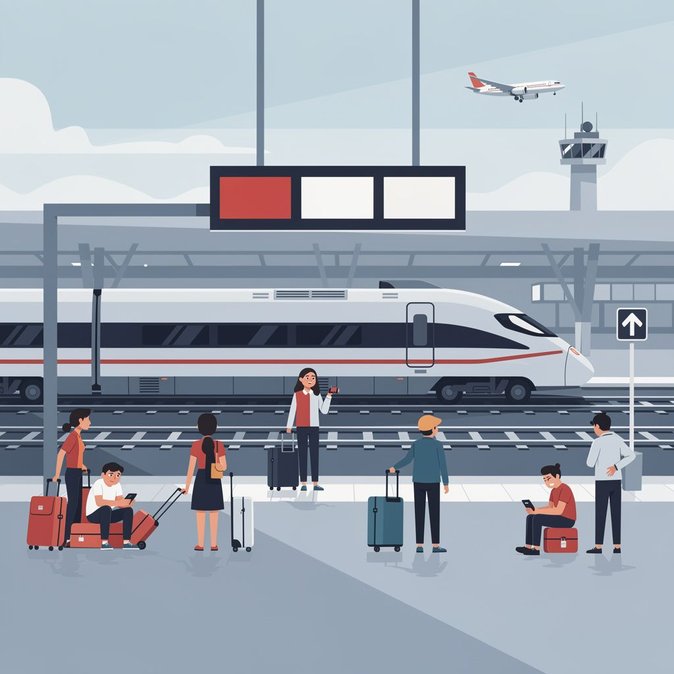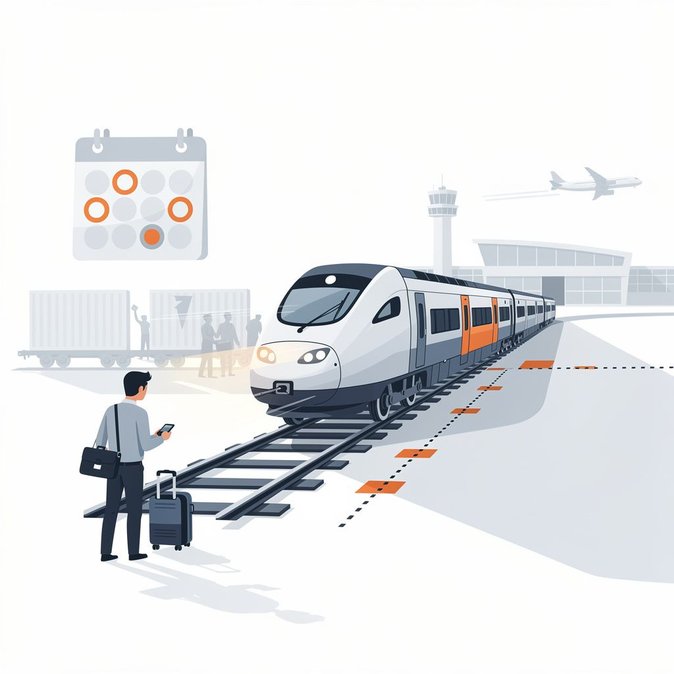
From the early hours of 11 June until 02:00 on 12 June, a 23-hour national railway strike led by the CUB Trasporti, SGB and CAT unions paralysed much of Italy’s passenger network. Trenord, Trenitalia and Italo cancelled hundreds of services, with ripple effects felt well into Friday morning as crews and rolling stock returned to position. The stoppage came at the height of pre-summer corporate travel, forcing road congestion around Milan, Rome and Florence and jam-packed high-speed trains during the legally protected “guarantee windows”. Crucially for international mobility, the strike interrupted the Malpensa Express and Leonardo Express links to Milan-Malpensa and Rome-Fiumicino airports. Emergency buses ferried passengers from Milano Cadorna and Stabio to Malpensa, but journey times doubled and many missed long-haul departures. Airlines invoked the EU261 force-majeure exemption, leaving reimbursement decisions to carrier discretion. For employers the walk-out demonstrated the fragility of multi-modal itineraries that rely on rail-to-air connections. Travel-management companies report that several conference organisers in Turin and Bologna switched last-minute to hybrid formats, while manufacturing plants in Emilia-Romagna delayed inbound supplier visits by 24 hours. Freight forwarders also saw delays of up to 18 hours on intermodal cargo trains bound for northern Europe. Although rail strikes are common in Italy, this action was unusual for its breadth: it covered drivers, on-board staff and some signalling personnel, limiting the railway’s ability to run even skeleton services. The unions are demanding a new national contract that aligns wage growth with inflation and guarantees two extra rest days per month. The Ministry of Infrastructure has called a conciliation meeting for 18 June, but unions warn of further 48-hour action in July if talks stall. Business travellers should build wider connection buffers, pre-book flexible tickets and register mobile numbers with railway alerts; HR teams may wish to review work-from-hotel contingencies for assignments that cannot be postponed.
Source: Trenord Service Advisory