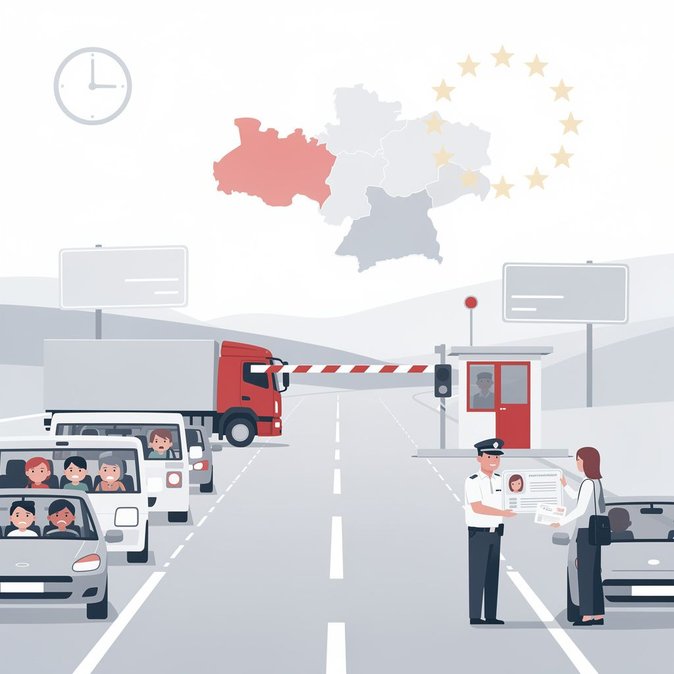
The European Commission on 12 June quietly put two long-awaited interoperability tools—the European Search Portal and the Common Identity Repository—into live operation, linking databases such as EES, VIS, SIS II and ECRIS-TCN. For passengers passing through Prague-Ruzyně or Brno airports little will look different, but Czech border police now have a single search interface to cross-check fingerprints, visa records and security alerts. The change is part of Brussels’ wider ‘Smart Borders’ package that already saw biometric Entry/Exit kiosks deployed at Czech external airports in April. By joining up systems, officers can detect identity fraud faster and speed up secondary inspections, potentially reducing queues for compliant travellers while increasing hit-rates for overstays. Carriers and mobility managers, however, need to note that data-quality rules have tightened. Airlines flying direct long-haul services into Prague must ensure Advance Passenger Information exactly matches travel documents, or risk fines if records cannot be reconciled automatically in the new portal. Corporate travel desks should remind staff to double-check middle names and document expiry dates when booking. Czech digital-privacy NGO Iure has called for robust oversight, warning that inaccurate data in one EU system could now propagate across all others. The interior ministry says redress mechanisms are in place and that the portal pulls only existing data, creating no new categories of personal information. Practically, travellers from visa-exempt markets such as the US or UK are unlikely to notice any immediate change, but from 2027 their ETIAS travel authorisation will also surface in the same search. Firms relocating third-country nationals to Czechia should therefore ensure visa histories are clean, as past overstays elsewhere in Schengen will be instantly visible to Czech officers.
Source: Euro Weekly News