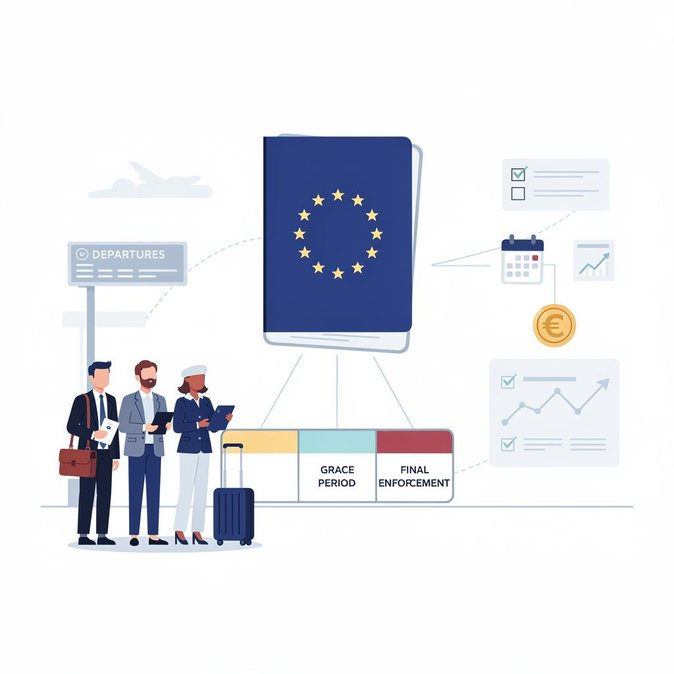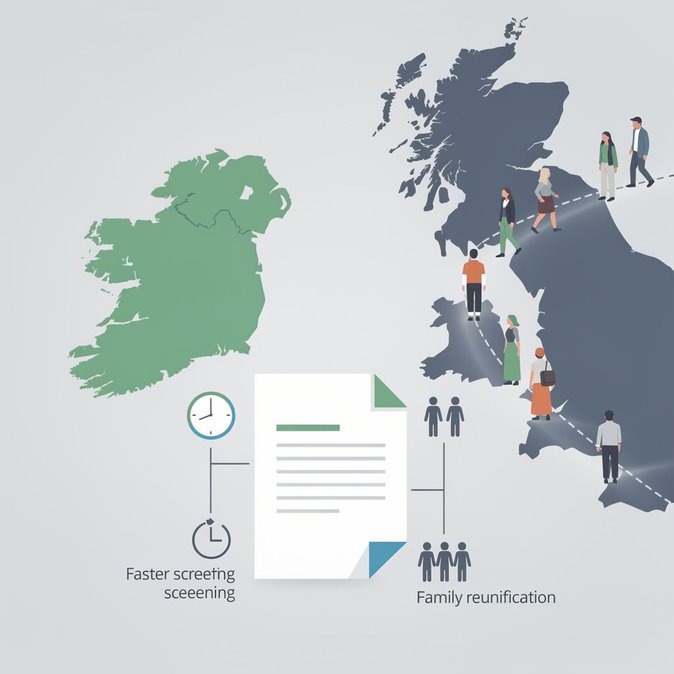
Ireland commenced its International Protection Act 2026 on 12 June, aligning national asylum procedures with the EU Migration & Asylum Pact that also began that day. The legislation introduces accelerated border screening, biometric registration and a new Tribunal for Asylum and Returns Appeals (TARA) designed to conclude certain cases—including appeals—within three months. A key objective is to make it easier to return applicants to the first EU state where they lodged a claim, reviving the so-called Dublin transfer principle. For the UK, which is no longer part of EU asylum rules but operates the Common Travel Area, the change is significant: UK officials have long argued that loopholes in Ireland’s system encourage secondary movement into Northern Ireland. Faster Irish decisions and a more robust returns mechanism could facilitate future bilateral return arrangements or reduce cross-border asylum traffic. The Act also tightens family-reunification sponsorship by raising income thresholds to €75,000 over three years and requiring proof of adequate accommodation. Employers who hire Irish General Employment Permit holders—many of whom travel on short assignments to the UK—should note that staff bringing family members to Ireland will face more stringent criteria. Minister for Justice Jim O’Callaghan framed the law as “the most significant reform of Irish asylum laws in the history of the State”. An interim Border-Procedures Inspector has been appointed to monitor human-rights compliance. NGOs have welcomed shorter processing times but expressed concern about accommodation shortages and the two-year wait for protected persons to sponsor family. Mobility teams moving staff between Ireland and Great Britain should track whether the UK Home Office seeks data-sharing enhancements or expedited removals under the CTA as the new system beds in.