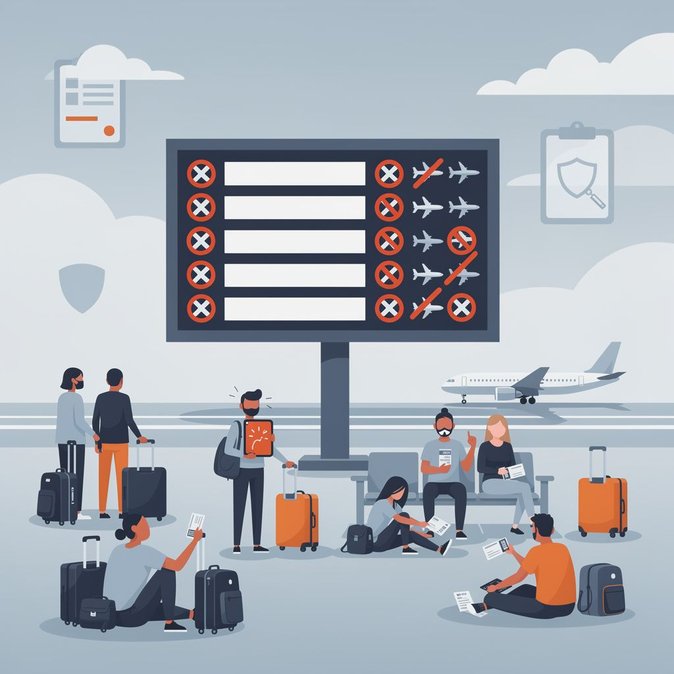
What was meant to be a routine return from a Spanish holiday turned into a logistical nightmare for more than 200 Brazilians this week. Azul Linhas Aéreas cancelled its Madrid–Campinas flight twice—first on 9 June and again the following night—citing technical issues with a wet-leased EuroAtlantic aircraft. By the time the last travellers reached home on 13 June, some families had slept on airport floors, others had paid thousands of reais for alternative tickets, and police had been called to calm tempers. Under Brazil’s Civil Aviation Code (ANAC Resolution 400/2016), carriers must provide meals, lodging and rebooking assistance when flights are delayed more than four hours, even if the disruption occurs abroad. Passengers interviewed by UOL said hotel rooms were initially offered but later withdrawn owing to a shortage linked to the Pope’s visit to Madrid. Several travellers, including a 73-year-old woman, reported health issues and emotional distress during the 48-hour ordeal. The incident has rekindled debate over the growing use of wet-lease agreements—where a foreign airline supplies aircraft and crew under another carrier’s code—to cover Brazil–Europe routes during peak demand. EuroAtlantic’s Boeing 767 fleet, while compliant with European Aviation Safety Agency standards, is on average 23 years old; industry analysts note that older aircraft can face more unscheduled maintenance, increasing cancellation risk. For global mobility teams, the case underscores the importance of 24/7 traveller tracking and clear escalation protocols. Employers whose assignees were affected will need to document additional expenses for duty-of-care compliance and may consider joint legal action to recoup costs. Consumer-rights group Idec advises passengers to keep all receipts and screenshots of airline communications; compensation of up to R$5,000 per person is common in Brazilian small-claims courts for similar disruptions. Azul has since apologised and said all customers were re-accommodated in line with ANAC rules. Nevertheless, the National Consumer Secretariat (Senacon) has opened a preliminary inquiry. If found negligent, the airline could face fines of up to R$11 million, though previous cases suggest negotiated settlements are more likely.
Source: UOL / BOL Notícias
How VisaHQ can help
VisaHQ simplifies the visa application process for individuals and businesses. Check current travel requirements, prepare the required documents and manage your application online through the VisaHQ Brazil portal.More From Brazil
View all
Brazilian Health Ministry rules out Ebola after two suspected cases in Rio and São Paulo

President Lula departs for G7 summit in France, raising expectations for breakthrough on U.S. tariffs and EU meat ban