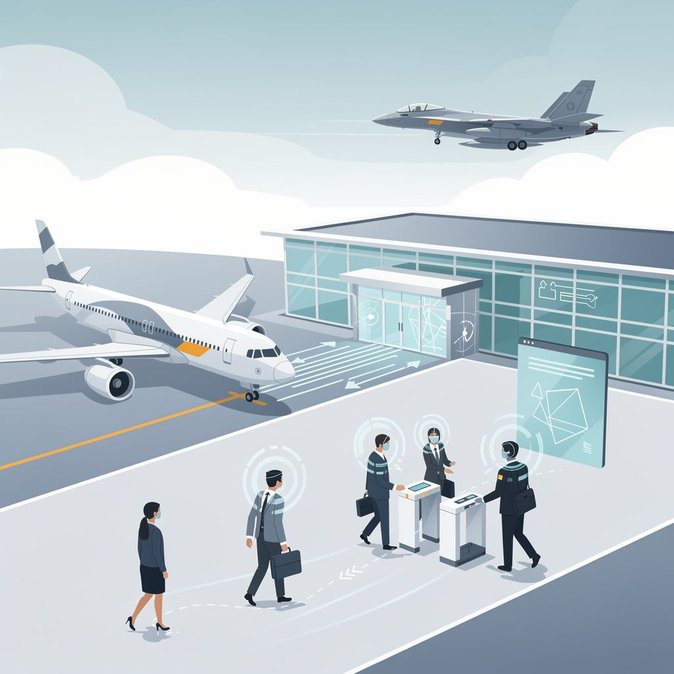
The International Air and Space Show (ILA Berlin) wrapped up at BER on 14 June with a 16 percent rise in attendance versus 2024. Over five days, 765 exhibitors from 37 countries showcased everything from hydrogen flight demonstrators to next-gen cabin concepts, underscoring Germany’s ambition to reclaim pre-pandemic passenger volumes and position itself as a hub for sustainable aviation. For global mobility teams the fair offered first glimpses of lighter composite seat shells, biometric bag-drop kiosks, and a German start-up’s AI-driven slot-management software that promises to cut turnaround times by 12 percent. Lufthansa Group told a sidelines panel it would pilot the technology at Munich and Frankfurt in Q4, potentially easing connection risks for corporate travellers. On the policy side, Transport Minister Volker Wissing and EU counterparts met industry CEOs to discuss harmonising security screening for the newly launched Entry/Exit System (EES). Officials hinted that Germany may accept ‘trusted biometric corridors’ for business-class passengers if parallel queuing data from the ongoing EES trial support shorter dwell times. ILA also doubled as a defence forum: following the collapse of the French-German FCAS fighter project, eight German firms—including Airbus and MTU—unveiled a domestic successor concept. While primarily military, such programmes often spin off avionics and materials innovations that trickle down into civil aircraft fleets hired for employee mobility. With visitor numbers rebounding and a focus on green tech, the show signals rising confidence in Germany’s aviation ecosystem—a key enabler of outbound assignments and high-frequency executive travel. Companies planning 2027 mobility budgets should monitor the roll-out timelines for the new airport solutions demonstrated this week.
Source: FinanzNachrichten / dpa-AFX