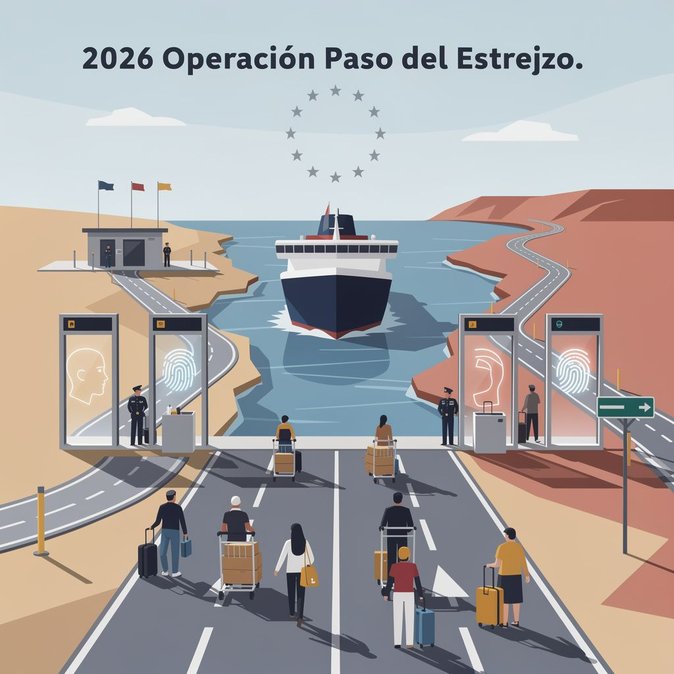
The European Union’s long-awaited Migration and Asylum Pact formally entered into force on 12 June, tightening external-border procedures and accelerating returns of migrants who are denied protection. Yet Spain – one of the bloc’s main entry points – has not adapted its 2009 Foreigners Act, leaving several core measures in legal limbo. Under the new rules, member states can detain rejected applicants for up to 24 months, establish fast-track asylum processing at borders and create offshore processing centres. Because EU regulations are directly applicable, parts of the pact still bind Spain, but others require national enabling legislation. Interior-ministry officials say a reform bill will reach parliament “after the summer recess”, but Brussels could launch infringement proceedings if delays persist. Political reactions are polarised. Conservative opposition parties accuse Prime Minister Pedro Sánchez of “ideological obstruction” that puts frontier security at risk, while migrant-rights NGOs argue the pact itself endangers fundamental rights and applaud the government’s caution. For employers who relocate staff to Spain, the uncertainty means visa and asylum decisions may follow existing timelines for months, but sudden policy shifts could occur once the law is updated. Companies should monitor legislative drafts and maintain contingency plans for transferees awaiting residency status – particularly humanitarian cases that may face stricter detention rules once Spain aligns fully with the EU framework.
Source: Qué! Diario