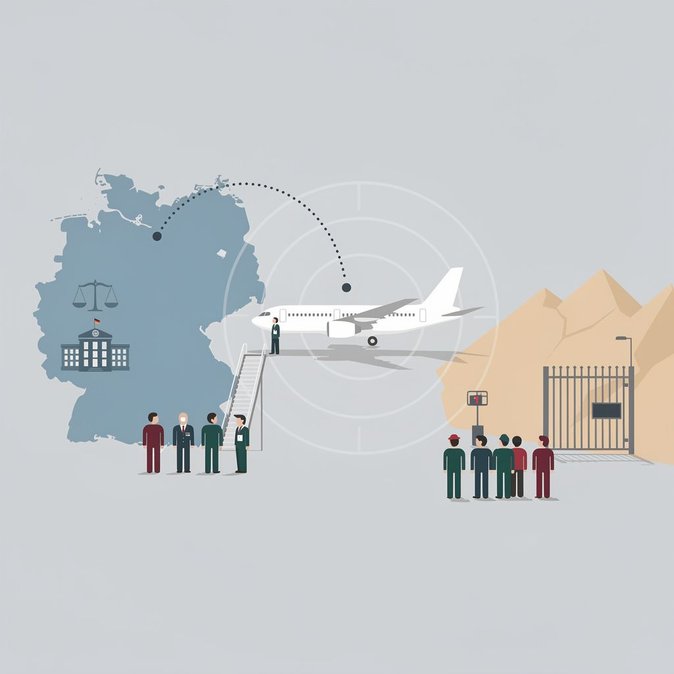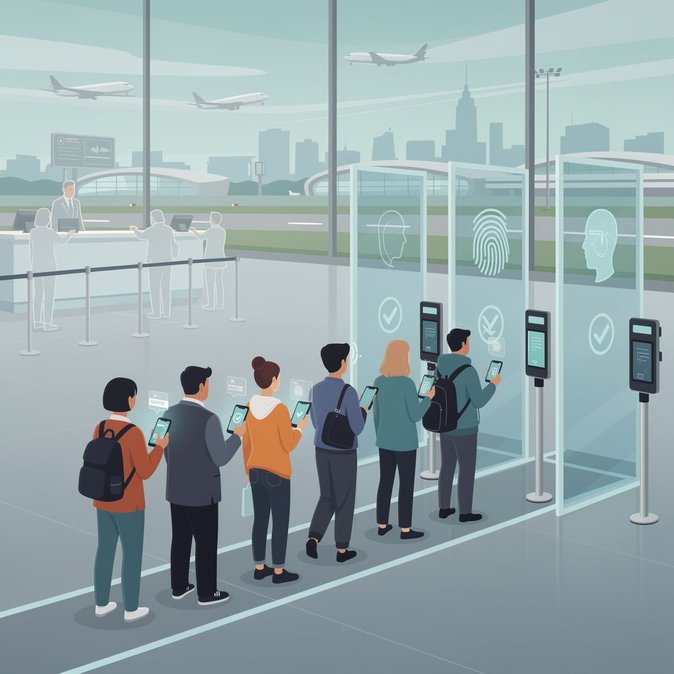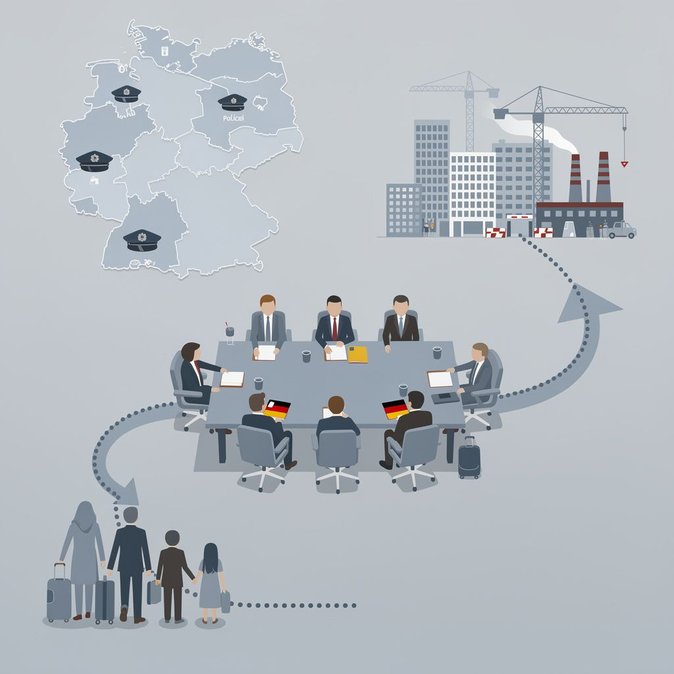
Germany’s spring Interior Ministers’ Conference (IMK) opened in Hamburg on 17 June 2026 with migration high on the agenda. Federal Interior Minister Alexander Dobrindt and the 16 Länder interior ministers began three days of closed-door talks that could reshape Germany’s immigration landscape. A central dispute concerns how aggressively the federal government should pursue the removal of foreign nationals who commit serious crimes. Niedersachsen’s interior minister Daniela Behrens asked Berlin to make deportations to Syria possible again for those convicted of violent or extremist offences, while also calling for clearer career-path rules for law-abiding Syrian skilled workers already integrated into Germany’s labour market. Hamburg’s senator Andy Grote went further, urging a general lowering of legal hurdles so that any foreigner with a recognised protection status can be expelled after a serious offence. Pro-business groups warn such changes could undermine Germany’s reputation as a safe destination for talent, but supporters argue public trust in the asylum system depends on swift removal of offenders. Beyond deportations, ministers are examining how the new EU Common European Asylum System (CEAS) that entered into application on 12 June will alter national procedures. Topics include the planned establishment of secondary-migration “filter centres” along Germany’s borders, the use of Eurodac biometric registration, and the resource burden of continuing internal border checks with Austria, Poland and the Czech Republic. Federal police estimate that up to 14,000 officers are currently tied up in the controls. Civil-protection policy is also on the table. Dobrindt wants a permanent joint crisis-management structure linking federal and state authorities, citing hybrid threats that blur the line between external and internal security. Defence Minister Boris Pistorius attended the opening session, signalling that military support for large-scale border incidents or cyber-attacks is no longer taboo. Corporate mobility managers should watch the outcome closely: tougher criminal-linked expulsions and any extension of border checks could raise compliance risks for assignees, lengthen business-traveller queues and harden public discourse ahead of the 2027 federal elections. Conversely, clearer skills pathways for long-term Syrian and other workers may preserve access to much-needed labour, particularly in Germany’s engineering and healthcare sectors.
Source: Harianbasis (dpa report)