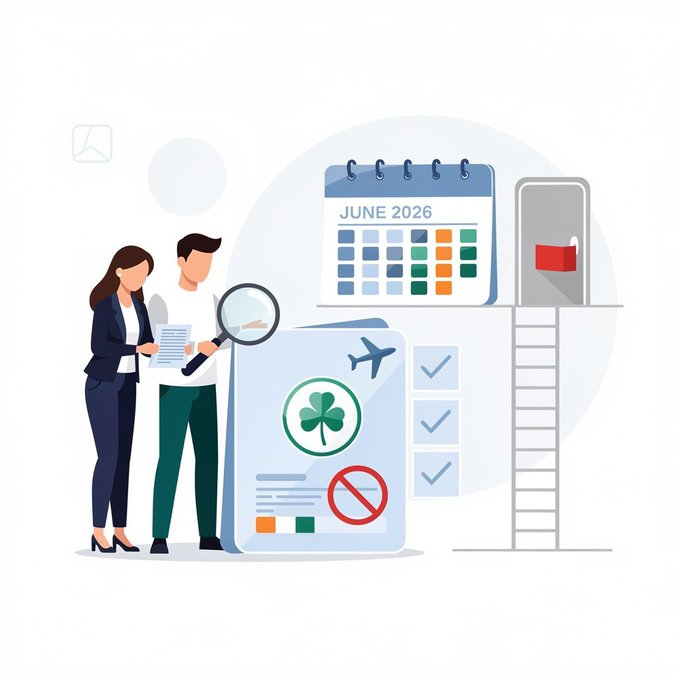
Effective 1 June 2026, applicants refused an Irish short-stay (Type C) visa can no longer lodge an administrative appeal, except where protected by the EU Free Movement Directive, according to a Department of Justice announcement.
As part of preparing right-first-time filings, travellers can turn to visa facilitation services such as VisaHQ, which offers detailed checklists, document pre-screening and filing assistance for Irish visas; more information is available at https://www.visahq.com/ireland/
The reform reallocates case-worker capacity from low-value, time-sensitive tourist and business visits to more complex long-stay categories. The Department noted that most short-stay appeals were decided after the intended travel date, rendering the process futile. For mobility programmes, the policy change mandates a shift toward “right-first-time” applications. Corporates should refresh document checklists, pay closer attention to financial-means evidence and, where feasible, file long-stay (Type D) applications to preserve appeal pathways. Family members of EU/EEA citizens retain full appeal rights, ensuring compliance with Directive 2004/38/EC. All other travellers must submit a brand-new application if refused, paying fresh fees and addressing refusal grounds in detail.
As part of preparing right-first-time filings, travellers can turn to visa facilitation services such as VisaHQ, which offers detailed checklists, document pre-screening and filing assistance for Irish visas; more information is available at https://www.visahq.com/ireland/
The reform reallocates case-worker capacity from low-value, time-sensitive tourist and business visits to more complex long-stay categories. The Department noted that most short-stay appeals were decided after the intended travel date, rendering the process futile. For mobility programmes, the policy change mandates a shift toward “right-first-time” applications. Corporates should refresh document checklists, pay closer attention to financial-means evidence and, where feasible, file long-stay (Type D) applications to preserve appeal pathways. Family members of EU/EEA citizens retain full appeal rights, ensuring compliance with Directive 2004/38/EC. All other travellers must submit a brand-new application if refused, paying fresh fees and addressing refusal grounds in detail.