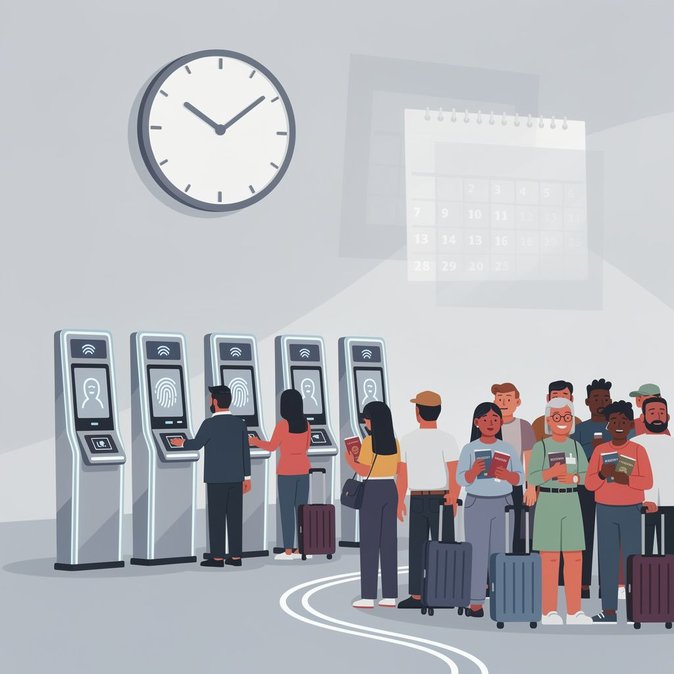
Spain’s Council of Ministers has approved Royal Decree 316/2026, launching the country’s first large-scale migrant regularisation since 2005. Published in the Boletín Oficial del Estado on 24 June, the decree allows third-country nationals who can prove continuous residence in Spain prior to 1 January 2026 to apply for a one-year residence-and-work authorisation. Applications may be filed online around the clock or in person through a nationwide network of Foreigners’ Offices, Social-Security branches and designated post-office counters. The window opened at 00:01 on 24 June and will close at 23:59 on 30 June. Eligibility is intentionally broad. Applicants must have no serious criminal convictions and must demonstrate at least one of three links with Spain: (1) previous or current employment or a binding job offer; (2) family ties to minor children or dependent relatives; or (3) a situation of social vulnerability certified by social-services authorities or an accredited NGO. Successful applicants receive a one-year, unrestricted work permit and a Social-Security number from day one; minors are granted a five-year residence card to minimise renewals during schooling. The Ministry of Inclusion, Social Security and Migration has set up a fast-track IT platform that issues a formal filing receipt—valid proof of lawful stay—within minutes. To reduce bottlenecks, 2,200 additional civil-service temps and 350 National-Police officers have been seconded to document-processing centres, while Correos has extended opening hours in 86 high-volume municipalities. For employers the scheme is a legal gateway to hire talent already living in Spain. Staffing agencies report a surge of demand in construction, agriculture and elder-care, sectors that have struggled with labour shortages since 2023. Corporate mobility managers are advised to audit shadow-payroll or contractor arrangements quickly: once a worker receives the new permit, companies have 60 days to convert any irregular employment into a registered contract and to enrol the employee in Social Security. After the initial 12-month validity, beneficiaries must switch to a standard authorisation under Spain’s Immigration Regulations. The government has promised an online renewal system and an information campaign—available in Spanish, English, Arabic, French and Ukrainian—to help applicants plan the transition well in advance. Although critics argue the decree could encourage future irregular arrivals, the executive insists the one-off measure will reduce informal work, expand the Social-Security base and provide legal certainty to an estimated 600,000 people already living in Spain.
Source: Go Aragón