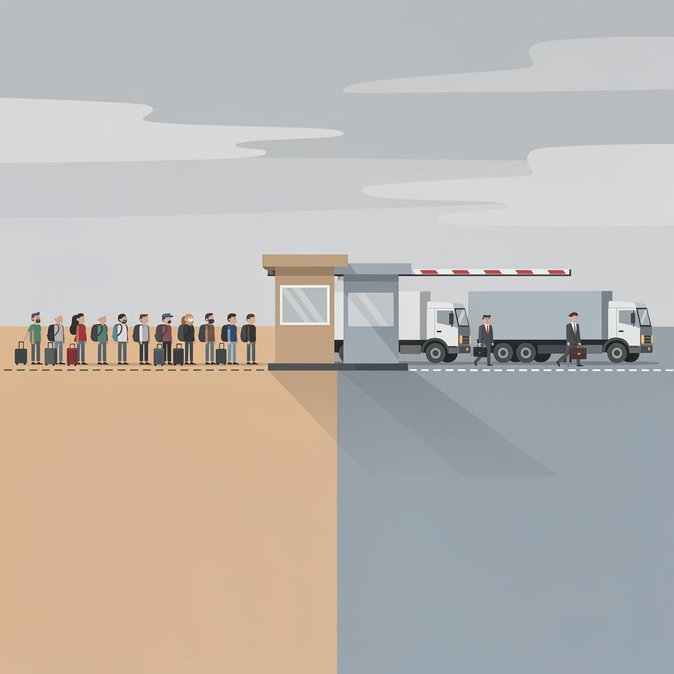
Minutes after issuing its metering decision, the Supreme Court released a second 6–3 opinion authorizing the Department of Homeland Security (DHS) to rescind Temporary Protected Status (TPS) for an estimated 330,000 Haitians and 6,100 Syrians who have lived and worked legally in the United States—some for more than a decade. TPS shields foreign nationals from deportation and provides work authorisation when conditions in their home countries are deemed too dangerous for return. DHS officials say work permits will remain valid through the end of the current registration period, but affected nationals must prepare to depart or secure another immigration pathway within 12 months of the Federal Register notice—expected in early July. Employers that rely on Haitian or Syrian talent, especially in health care, construction and hospitality hubs such as Florida, New York and Massachusetts, will need to audit I-9 files, notify workers of options (family-based petitions, EB-3 visas, asylum, student status) and plan for possible labour gaps. Corporate mobility teams should anticipate humanitarian leave requests and inquire about short-term placement in Canada or the EU, where some skilled workers may qualify for intra-company transfers. Insurers warn that lapses in employment authorisation could trigger COBRA obligations and affect corporate health-plan premiums. Politically, the ruling hands the White House a significant victory as it seeks to tighten employment-based immigration. Advocates vow to press Congress for a legislative fix, noting that many TPS holders pay U.S. taxes and have U.S.-born children. Until then, global mobility managers must act quickly: once the wind-down clock starts, USCIS is unlikely to grant discretionary extensions.
Source: Associated Press
How VisaHQ can help
VisaHQ simplifies the visa application process for individuals and businesses. Check current travel requirements, prepare the required documents and manage your application online through the VisaHQ United States of America portal.More From United States of America
View all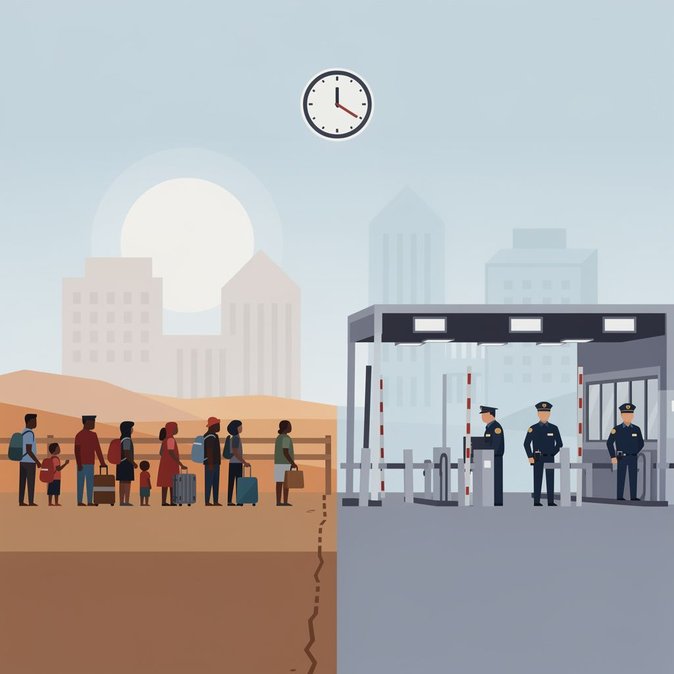
Supreme Court Green-Lights Border “Turnback” Policy, Allowing Agents to Block Asylum Seekers Before They Step on U.S. Soil
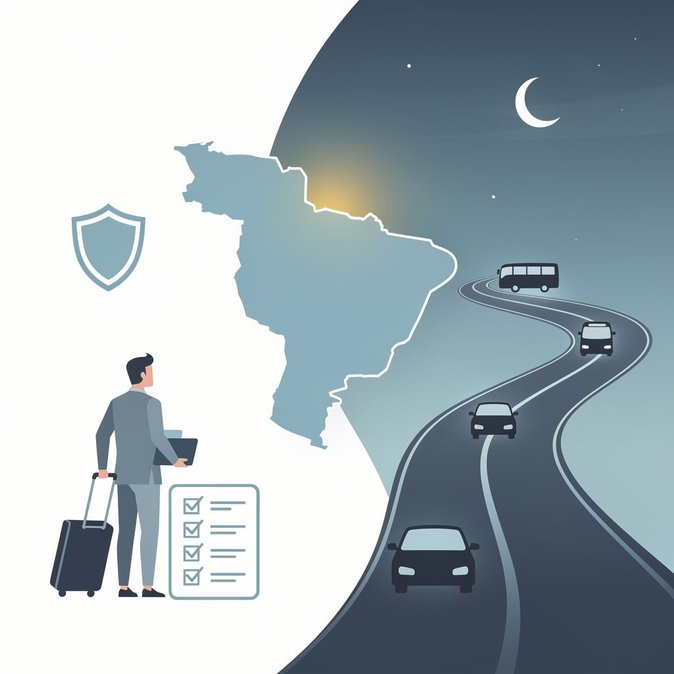
State Department Updates El Salvador Advisory to Level 1 but Keeps Night-Travel Ban for U.S. Staff