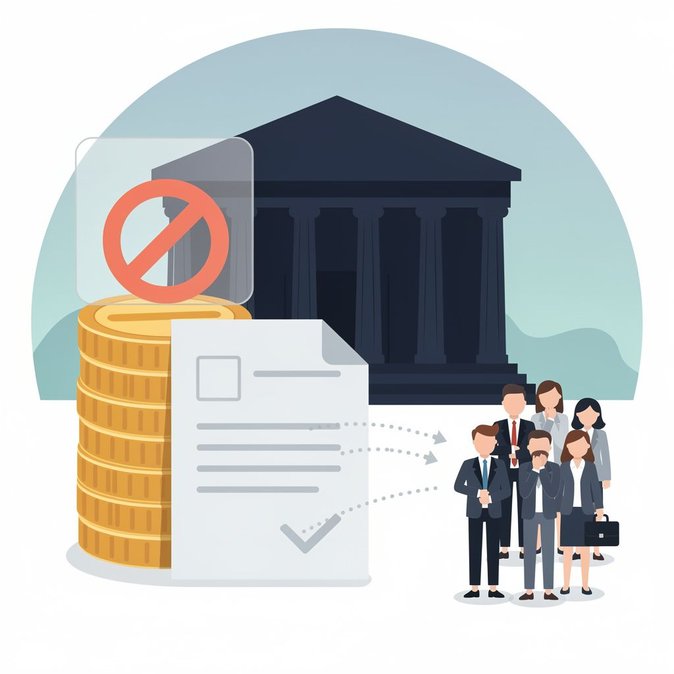
The legal roller-coaster over the Trump-era $100,000 supplemental fee on H-1B petitions took another twist on June 24, 2026. The Hindustan Times reports that U.S. District Judge Leo Sorokin’s June 8 order striking down the fee remains administratively stayed while the government appeals to the First Circuit, meaning USCIS is still collecting the payment and issuing Requests for Evidence when the check is missing. Employers had briefly celebrated the June 8 ruling, which called the fee an unconstitutional tax lacking congressional authorization. But the subsequent stay has forced HR and mobility teams to decide whether to keep paying—tying up cash they may never recover—or risk denial if the fee ultimately survives. Immigration counsel now recommend budgeting for the fee until a definitive appellate ruling, likely months away. The uncertainty is hitting start-ups and universities hardest: many cap-exempt filers lack the resources to front $100,000 per petition and cannot pass the cost along to beneficiaries under wage-protections rules. Some employers report shifting roles abroad or exploring O-1, L-1, or remote-work alternatives. Meanwhile, DHS insists the charge is a lawful exercise of presidential authority under the 1952 Immigration and Nationality Act and warns that refunds could trigger a processing backlog. Should the First Circuit uphold Sorokin, DHS could still ask the Supreme Court to intervene, prolonging limbo well into FY 2027. Companies with pending H-1B consular-notification cases should track fee invoices closely, consult counsel on escrow options, and keep stakeholders informed of budget contingencies. The saga underscores how litigation risk can abruptly reshape the cost structure of U.S. work-visa programs.
Source: Hindustan Times
How VisaHQ can help
VisaHQ simplifies the visa application process for individuals and businesses. Check current travel requirements, prepare the required documents and manage your application online through the VisaHQ United States of America portal.More From United States of America
View all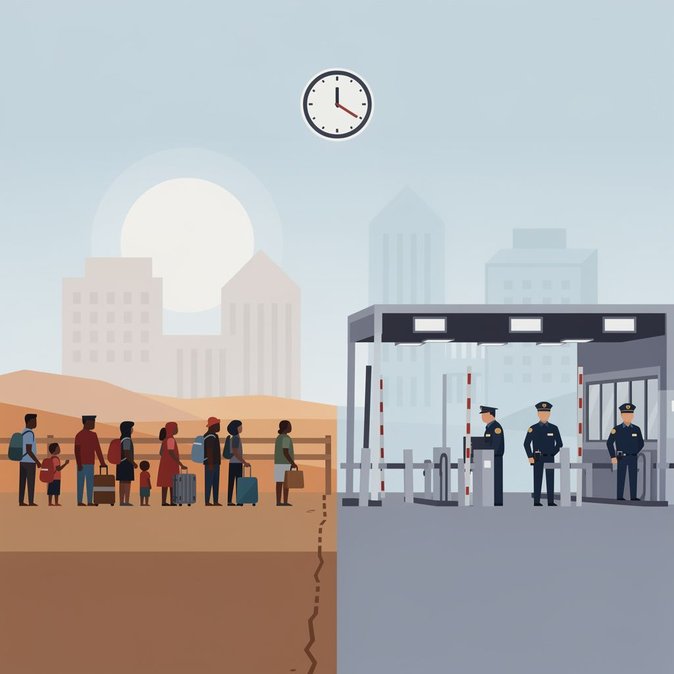
Supreme Court Green-Lights Border “Turnback” Policy, Allowing Agents to Block Asylum Seekers Before They Step on U.S. Soil
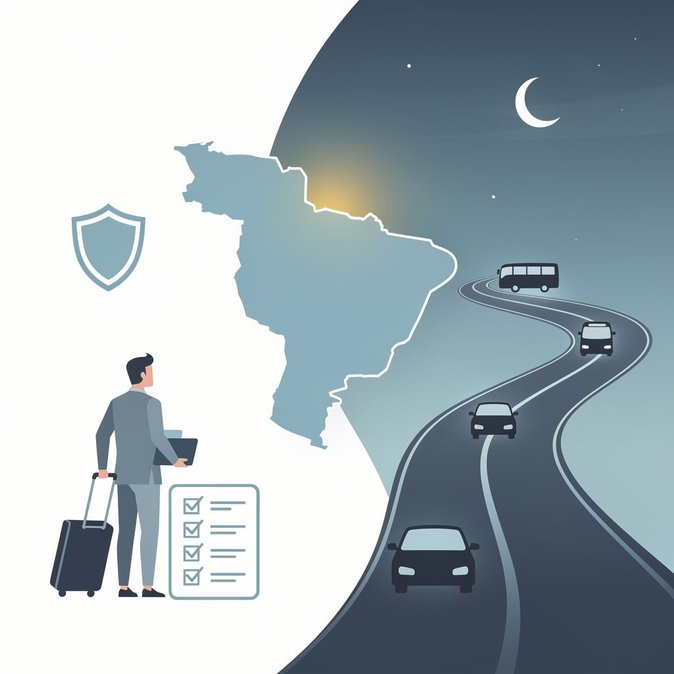
State Department Updates El Salvador Advisory to Level 1 but Keeps Night-Travel Ban for U.S. Staff