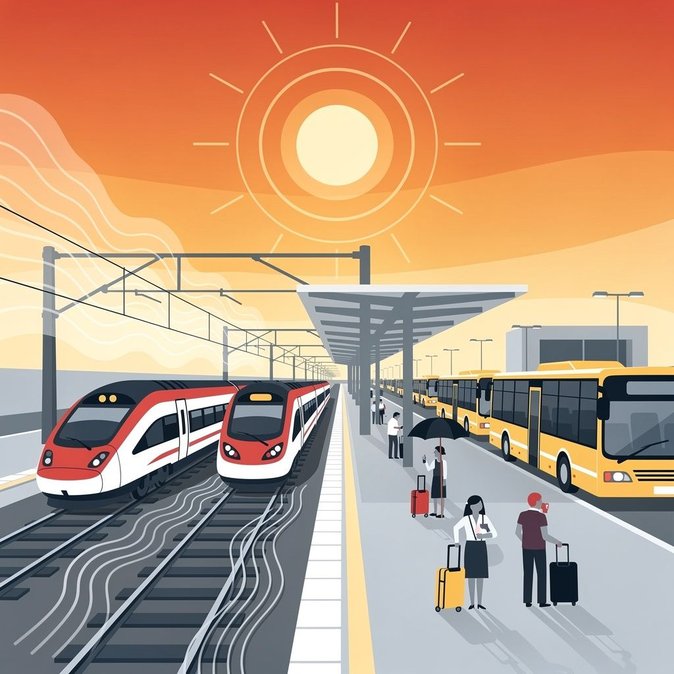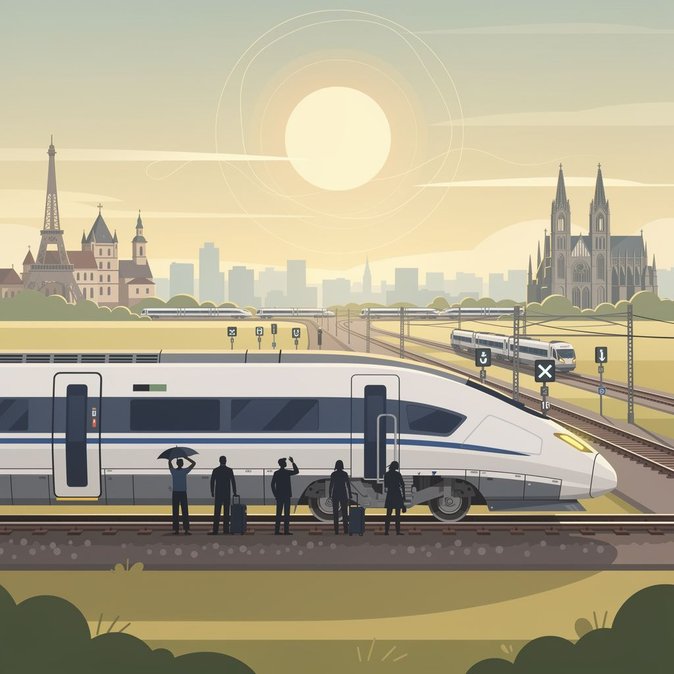
An east-bound Eurostar service from Cologne to Paris via Brussels ground to a halt on the Tivoli bridge outside Leuven at 10:30 CEST on Friday 26 June, trapping some 400 travellers in rising 34 °C heat. The operator blamed a “technical incident” in the traction system.
If sudden itinerary changes force you to enter or exit Belgium through a different border point, VisaHQ can swiftly secure the necessary Schengen documentation and keep you updated on any consular requirements—see https://www.visahq.com/belgium/ for streamlined, same-day processing options that remove the headache from last-minute travel.
Belgian infrastructure manager NMBS quickly cut power, allowing emergency crews to open doors manually and escort passengers along the ballast to a safe assembly point where bottled water was distributed. Eurostar arranged a rescue train that departed an hour later, but knock-on delays hit morning departures on the high-speed corridor linking Brussels, Paris and Amsterdam. The failure came on top of heat-related speed restrictions and the pre-emptive cancellation of several London–Paris rotations earlier in the week. Combined, the incidents underline the fragility of Europe’s premier business-rail artery during extreme weather. For mobility planners the message is clear: cross-border rail, while greener than short-haul flying, now demands airline-style contingency thinking – including flexible tickets, hotel allotments and duty-of-care communication chains. Eurostar reiterated that passengers whose journeys are delayed by more than 60 minutes can claim compensation vouchers worth 50–75 % of the fare, but cash refunds are only available if they abandon travel. The Belgian federal transport service opened a routine investigation; early indications point to an overheated auxiliary converter, a component present in thirteen Class 374 Siemens e320 trainsets. If the fault proves systemic, retrofits could trigger further timetable cuts during July’s peak tourist season. Eurostar said it will publish a full incident report within 30 days and is “reviewing fleet readiness for prolonged high-temperature operations”. Corporate travel managers should brief employees on alternative routings via Thalys or ICE/DB-SNCF combos until reliability improves.
If sudden itinerary changes force you to enter or exit Belgium through a different border point, VisaHQ can swiftly secure the necessary Schengen documentation and keep you updated on any consular requirements—see https://www.visahq.com/belgium/ for streamlined, same-day processing options that remove the headache from last-minute travel.
Belgian infrastructure manager NMBS quickly cut power, allowing emergency crews to open doors manually and escort passengers along the ballast to a safe assembly point where bottled water was distributed. Eurostar arranged a rescue train that departed an hour later, but knock-on delays hit morning departures on the high-speed corridor linking Brussels, Paris and Amsterdam. The failure came on top of heat-related speed restrictions and the pre-emptive cancellation of several London–Paris rotations earlier in the week. Combined, the incidents underline the fragility of Europe’s premier business-rail artery during extreme weather. For mobility planners the message is clear: cross-border rail, while greener than short-haul flying, now demands airline-style contingency thinking – including flexible tickets, hotel allotments and duty-of-care communication chains. Eurostar reiterated that passengers whose journeys are delayed by more than 60 minutes can claim compensation vouchers worth 50–75 % of the fare, but cash refunds are only available if they abandon travel. The Belgian federal transport service opened a routine investigation; early indications point to an overheated auxiliary converter, a component present in thirteen Class 374 Siemens e320 trainsets. If the fault proves systemic, retrofits could trigger further timetable cuts during July’s peak tourist season. Eurostar said it will publish a full incident report within 30 days and is “reviewing fleet readiness for prolonged high-temperature operations”. Corporate travel managers should brief employees on alternative routings via Thalys or ICE/DB-SNCF combos until reliability improves.