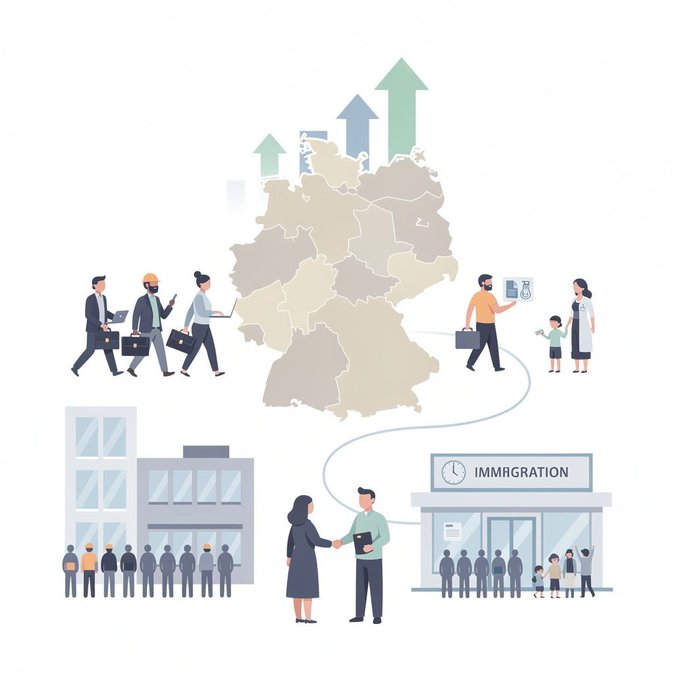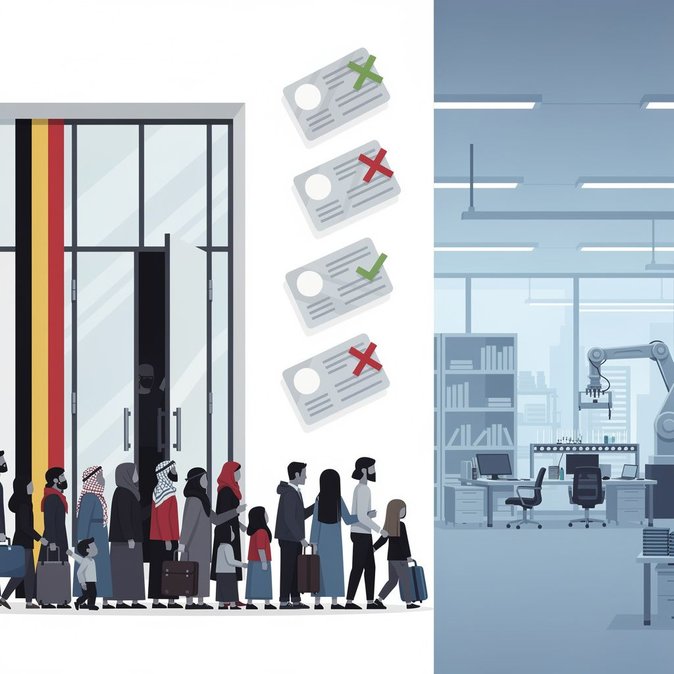
Twelve months after Berlin halted family reunification visas for people with only ‘subsidiary protection’, new figures obtained by the Tagesspiegel paint a mixed picture. Overall family-reunion approvals fell only modestly—63,200 visas in the past year versus 120,000 in 2024—but the drop is dramatic for nationals of Syria and Afghanistan, where approvals plunged by roughly 50 %. The 2025 freeze was championed by Interior Minister Alexander Dobrindt as a deterrent against irregular migration. Critics labelled it the “Familienzerstörungsgesetz”, arguing that refugees were being forced onto dangerous routes. The latest data confirm their fears about disparities: Syrians and Afghans accounted for most of the lost visas, while other categories—EU nationals and recognised refugees—were largely unaffected.
For those still determined to navigate Germany’s increasingly complex visa maze, professional assistance can make a decisive difference. VisaHQ, whose Germany portal (https://www.visahq.com/germany/) tracks every update in real time, helps applicants assemble watertight dossiers, secure hard-to-get consular slots and explore alternative permit categories when standard family-reunion channels close. Their end-to-end support can prevent small paperwork errors from turning into year-long delays.
Equally striking is the fate of ‘hardship’ exceptions. Of almost 4,800 humanitarian applications lodged with the Foreign Office, only seven were approved, five of them after court action—an approval rate of 0.15 %. Legal-aid NGOs such as PRO ASYL say the bureaucracy is “deliberately impenetrable”, citing missing A1-language certificates and housing-size requirements that most applicants cannot meet. For employers, the numbers have downstream effects. A growing share of the skilled-labour pool now weighs Germany against more family-friendly destinations such as Canada. HR teams report delayed start dates and higher relocation costs when candidates decline offers because spouses or children cannot join them. Politically, the review lands just weeks before the Bundestag takes up the second stage of the Skilled Immigration Act. Pro-business parties argue that maintaining a family-friendly migration regime is essential if Germany is serious about attracting 400,000 foreign workers a year, the target set by the Coalition.
For those still determined to navigate Germany’s increasingly complex visa maze, professional assistance can make a decisive difference. VisaHQ, whose Germany portal (https://www.visahq.com/germany/) tracks every update in real time, helps applicants assemble watertight dossiers, secure hard-to-get consular slots and explore alternative permit categories when standard family-reunion channels close. Their end-to-end support can prevent small paperwork errors from turning into year-long delays.
Equally striking is the fate of ‘hardship’ exceptions. Of almost 4,800 humanitarian applications lodged with the Foreign Office, only seven were approved, five of them after court action—an approval rate of 0.15 %. Legal-aid NGOs such as PRO ASYL say the bureaucracy is “deliberately impenetrable”, citing missing A1-language certificates and housing-size requirements that most applicants cannot meet. For employers, the numbers have downstream effects. A growing share of the skilled-labour pool now weighs Germany against more family-friendly destinations such as Canada. HR teams report delayed start dates and higher relocation costs when candidates decline offers because spouses or children cannot join them. Politically, the review lands just weeks before the Bundestag takes up the second stage of the Skilled Immigration Act. Pro-business parties argue that maintaining a family-friendly migration regime is essential if Germany is serious about attracting 400,000 foreign workers a year, the target set by the Coalition.