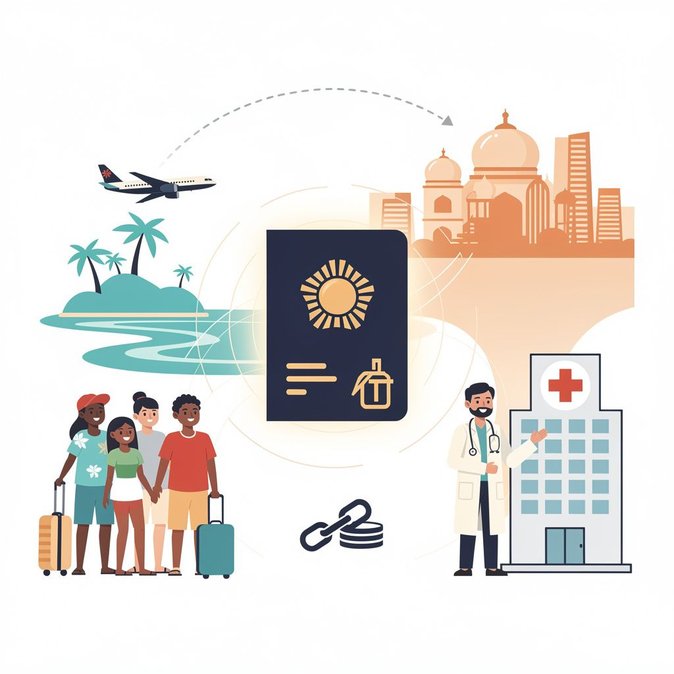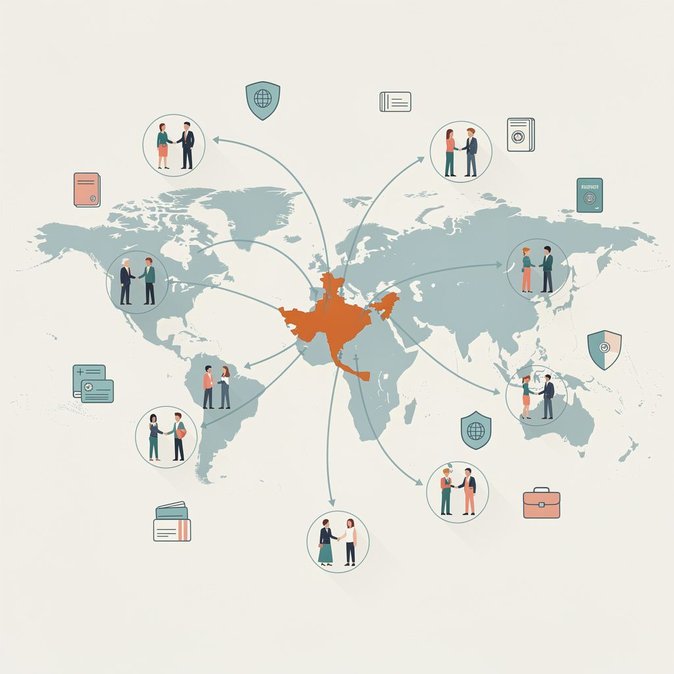
India used the first-ever Human Resource Mobility Forum in New Delhi on 30 June 2026 to showcase an ambitious diplomatic drive aimed at opening more legal pathways for the movement of people. External Affairs Minister Dr S. Jaishankar told delegates that New Delhi has now signed 28 Migration and Mobility Partnership Agreements (MMPAs) with 26 countries covering every major region, with several more deals under negotiation. These government-to-government pacts typically commit both sides to faster visa processing for skilled workers and students, cooperation on social-security portability, joint action against trafficking and fraudulent recruiters, and structured dialogue on labour-market needs.
Jaishankar underlined that India’s objective is “safe, orderly and legal mobility” and pointed to the e-Migrate digital clearance platform, through which more than five million overseas employment approvals have been issued since 2015. By embedding end-to-end digital checks, the system gives Indian missions and foreign employers real-time visibility of contractual terms and worker welfare.
For Indian companies managing global assignments, the MMPAs promise reduced paperwork when placing staff abroad and a clearer regime for social-security contributions. For destination countries—from Germany and France to Japan and Australia—the agreements are a hedge against looming skills shortages. By tying recruitment channels to verified talent pools and mandatory pre-departure orientation, partners hope to lower compliance risk while tapping India’s vast, English-speaking workforce.
Amid these developments, travellers and businesses looking to capitalise on the new fast-track categories can streamline their paperwork through VisaHQ, a global visa facilitation service that already helps thousands of applicants each year secure Indian visas as well as permits for more than 100 other destinations. Its India portal (https://www.visahq.com/india/) offers up-to-date checklists, digital document uploads and expert review, making it easier to stay compliant as MMPA-related visa rules evolve.
Indian officials say the next wave of negotiations will focus on West Asian and African states where large informal labour flows persist. Practically, employers can expect incremental benefits rather than an overnight overhaul. Each MMPA has its own implementation timeline and often requires changes to domestic visa rules. Businesses should monitor embassy announcements and incorporate the new categories—such as fast-track intra-company transferee (ICT) visas—into mobility playbooks as they come online.
The bigger signal, however, is political. By putting mobility squarely on the foreign-policy agenda, India is positioning itself as a long-term talent partner to countries grappling with demographic decline. That strategic framing may accelerate future liberalisation beyond the traditional IT and health-care corridors into green-tech, AI and defence manufacturing.
Jaishankar underlined that India’s objective is “safe, orderly and legal mobility” and pointed to the e-Migrate digital clearance platform, through which more than five million overseas employment approvals have been issued since 2015. By embedding end-to-end digital checks, the system gives Indian missions and foreign employers real-time visibility of contractual terms and worker welfare.
For Indian companies managing global assignments, the MMPAs promise reduced paperwork when placing staff abroad and a clearer regime for social-security contributions. For destination countries—from Germany and France to Japan and Australia—the agreements are a hedge against looming skills shortages. By tying recruitment channels to verified talent pools and mandatory pre-departure orientation, partners hope to lower compliance risk while tapping India’s vast, English-speaking workforce.
Amid these developments, travellers and businesses looking to capitalise on the new fast-track categories can streamline their paperwork through VisaHQ, a global visa facilitation service that already helps thousands of applicants each year secure Indian visas as well as permits for more than 100 other destinations. Its India portal (https://www.visahq.com/india/) offers up-to-date checklists, digital document uploads and expert review, making it easier to stay compliant as MMPA-related visa rules evolve.
Indian officials say the next wave of negotiations will focus on West Asian and African states where large informal labour flows persist. Practically, employers can expect incremental benefits rather than an overnight overhaul. Each MMPA has its own implementation timeline and often requires changes to domestic visa rules. Businesses should monitor embassy announcements and incorporate the new categories—such as fast-track intra-company transferee (ICT) visas—into mobility playbooks as they come online.
The bigger signal, however, is political. By putting mobility squarely on the foreign-policy agenda, India is positioning itself as a long-term talent partner to countries grappling with demographic decline. That strategic framing may accelerate future liberalisation beyond the traditional IT and health-care corridors into green-tech, AI and defence manufacturing.