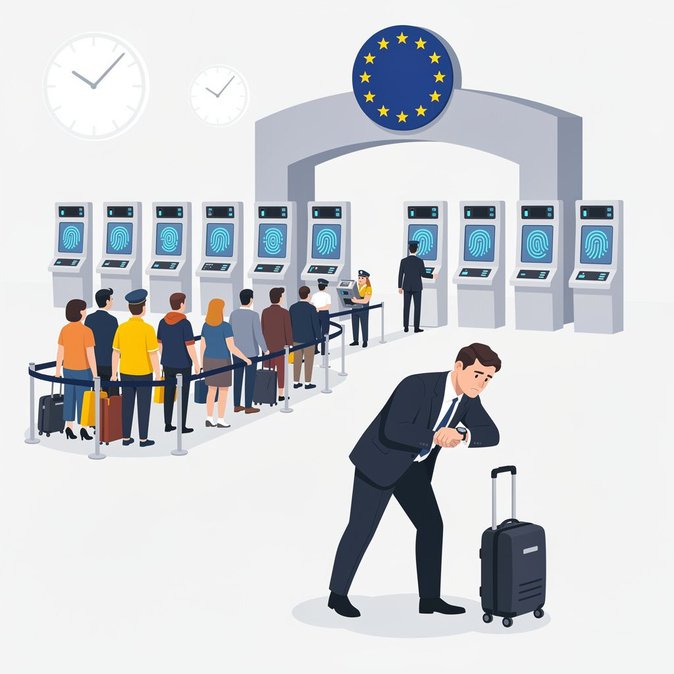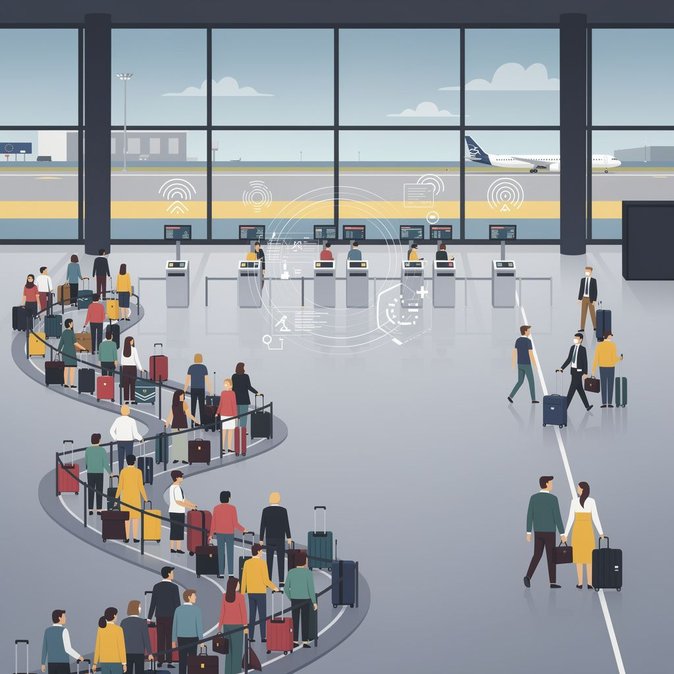
Belgium once again found itself at the centre of the European travel debate on 2 July when ACI EUROPE, Airlines for Europe (A4E) and the International Air Transport Association (IATA) published an open letter from Brussels warning that the new Schengen Entry/Exit System (EES) has reached a “critical point”. The digital system – fully rolled-out in April 2026 – was designed to tighten external-border security by replacing passport stamps with biometric registration for almost all non-EU travellers. Yet at Brussels Airport and many other hubs the additional data-capture step has pushed processing times from minutes to hours. According to the aviation groups, waits of “up to five hours” are now routine in the morning bank at Zaventem, forcing airlines to delay departures or dispatch half-empty aircraft while would-be passengers remain trapped in border queues. Industry leaders are therefore urging the European Commission to allow member states to *temporarily suspend* EES whenever passenger volumes exceed capacity during July and August. The request goes beyond the limited flexibility granted in May, when member states were allowed to defer biometric collection until September but still had to run the system for 35 % of third-country arrivals. Carriers say the partial opt-out has failed: with summer traffic forecast to surge by 40 million travellers over the next two months, operations are becoming “unsustainable”. Although the letter is addressed to Commission president Ursula von der Leyen, it is politically aimed at Belgium: as the de facto EU capital and guardian of Schengen rules, Brussels’ response will set the tone for other member states contemplating unilateral action. Belgian Interior Minister Annelies Verlinden has so far said only that she is “studying the request with urgency”, while federal police unions claim the airport would need at least 120 extra officers to run EES properly. For employers and mobility managers the stakes are high. Business travellers landing in Belgium already report missing onward rail connections and losing half-day meeting slots. Multinationals have begun advising visitors to route through Amsterdam or Paris until further notice, while travel-management companies factor in an extra three to four hours on arrival itineraries. If the Commission refuses to budge, companies should expect continued disruption through the peak season and prepare contingency plans, including remote sign-in options for critical meetings and flexible ticketing for onward transport.
Source: Euronews