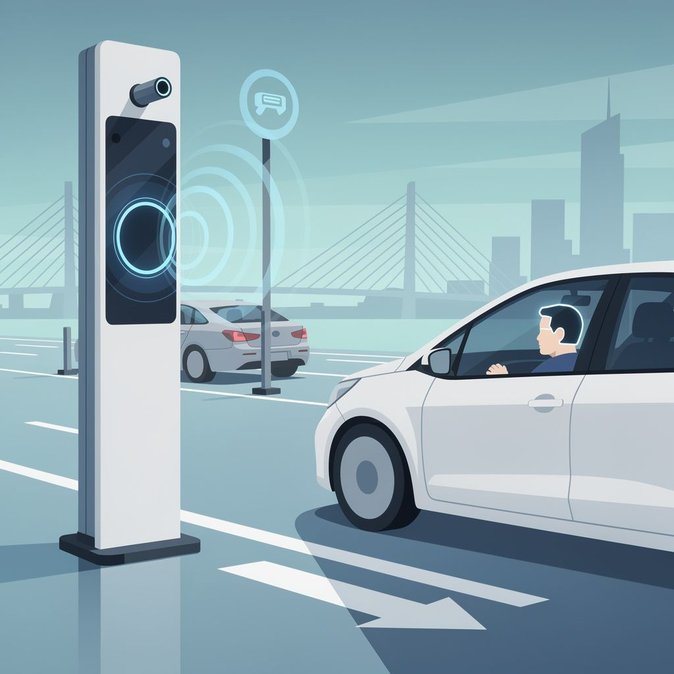
From 1 July 2026, drivers of pre-registered Guangdong–Hong Kong–Macao vehicles can choose a new biometric lane at Shenzhen Bay Control Point that verifies identity through facial recognition, eliminating the need to hand over physical exit-entry permits. Eligible users include mainland residents with multi-entry Home Return Permits and Hong Kong or Macao ID holders driving vehicles enrolled in the cross-border quota system. The upgrade forms part of the Greater Bay Area’s ‘Smart Port 2.0’ initiative to raise throughput by 30 % without expanding land. Trial data show average vehicle clearance times cut from nine minutes to three. Customs officers retain random pull-over authority, and any mismatch between biometric data and licence-plate records triggers secondary inspection. For corporate fleets shuttling staff between Shenzhen tech parks and Hong Kong headquarters, the fast lane promises sizeable productivity gains. However, companies must obtain driver consent for the collection of facial and fingerprint templates and update privacy notices to comply with Mainland and Hong Kong data-protection regimes. Failure to do so risks administrative fines of up to RMB 100,000 under the Personal Information Protection Law. The Immigration Department will evaluate the pilot after six months; if successful, similar lanes will roll out at Lok Ma Chau and Hengqin. Mobility planners should therefore factor potential technology downtime into schedules and maintain traditional documents as back-up during the initial bedding-in period.
Source: Shenzhen Municipal Government