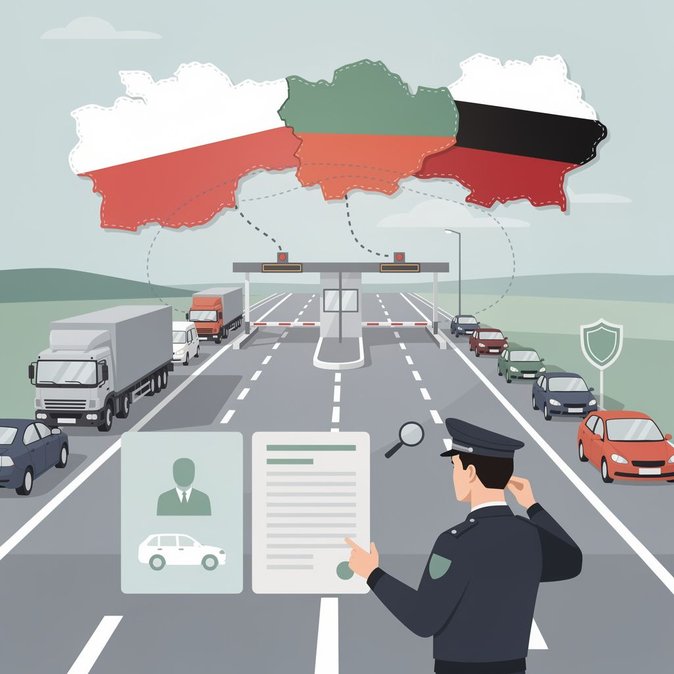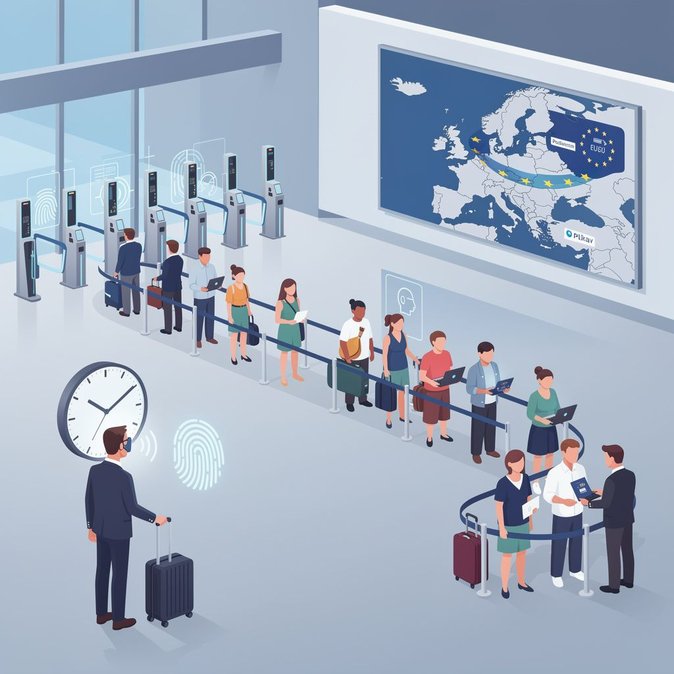
Pressure is mounting on Brussels to postpone the mandatory roll-out of the Entry/Exit System (EES) after budget carriers and airport operators reported hours-long passport queues this weekend. Ryanair warned families could miss flights as non-EU travellers wait up to two hours to enrol fingerprints and facial images. The Irish airline listed Kraków, Berlin and Palma de Mallorca among the worst-affected airports. Under the EES, all third-country nationals—including Britons and Americans—must register biometrics the first time they enter the Schengen zone after 10 April 2026. Although Poland’s Border Guard says its kiosks are working, peak-summer volumes are exposing staffing gaps and IT incompatibilities across member states. Airport association ACI Europe has written to Commission president Ursula von der Leyen, claiming that wait-times already reach five hours at certain border posts and could lead to aircraft departing half-empty. Industry groups are calling for a discretionary suspension at chokepoints until after the holiday peak. For global-mobility managers the immediate risk is missed connections for executives and assignees returning from outside the EU. Companies should advise travellers to arrive at least three hours before departure, pre-register where available, and carry proof of onward itineraries to streamline manual processing. Longer term, employers bringing in non-EU talent to Poland may need to build EES registration into onboarding checklists and budget for possible accommodation overruns. The episode serves as a reminder that technological border reforms—even when ultimately beneficial—often create transition pain. Contingency planning, flexible tickets and real-time traveller tracking will be essential tools throughout the 2026 summer.
Source: Rzeczpospolita