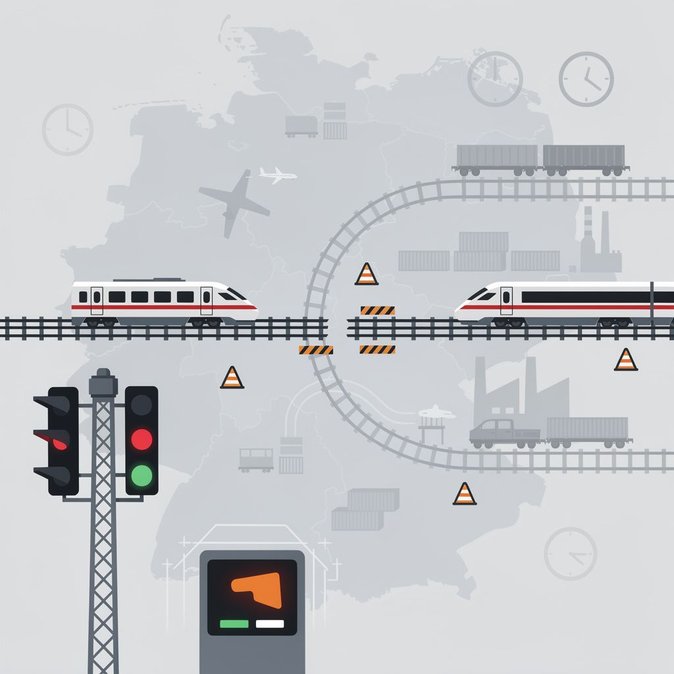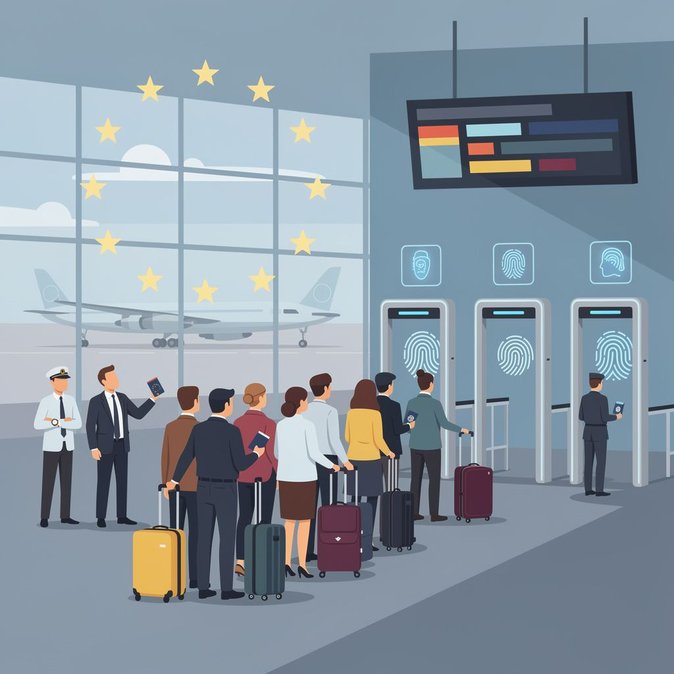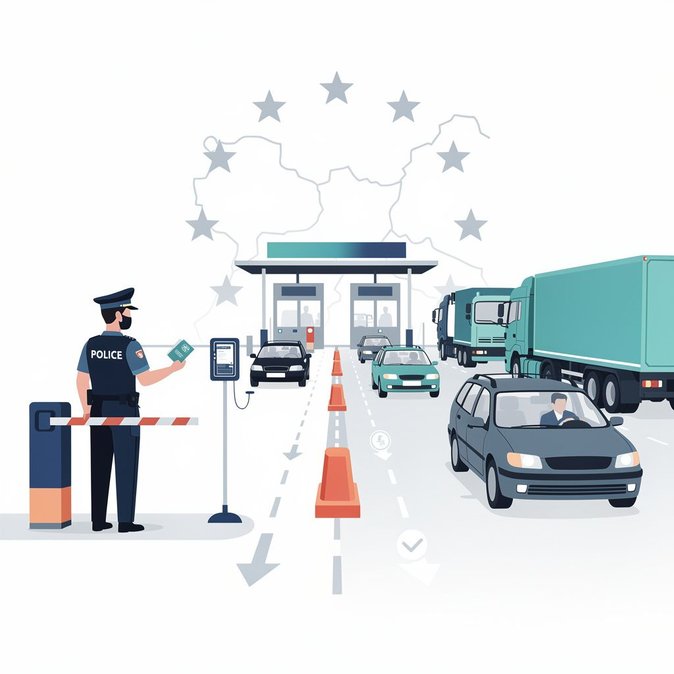
Germany’s Federal Police have reported that only 3,290 people attempted to cross the country’s borders without the required papers in June 2026—-a 42 percent drop compared with June 2025 and the lowest monthly figure since May 2021. Officers turned back just over 2,000 travellers and arrested 152 suspected people-smugglers. The decline comes after the interior ministry extended temporary controls to **all** nine land borders in September 2024 and tightened “immediate-return” instructions when the current CDU-SPD coalition took office in May 2025. Since then, more than 38,800 would-be entrants have been refused entry and 2,002 people have been stopped from re-entering because of existing bans. Logistics firms and cross-border commuters say the checks—carried out on roads, rail lines and small regional airports—add between 15 minutes and two hours to typical journeys. Business associations have largely accepted the delays as a trade-off for greater legal certainty, but they warn that any further expansion could hurt just-in-time supply chains in Bavaria and Saxony that rely on components trucked in from the Czech Republic and Poland. For global mobility managers the numbers signal two things: first, Schengen internal borders remain politically volatile despite the EU’s push to phase them out; second, employers must prepare dossiers that prove legal residence and work rights for staff who travel frequently over land borders. Digital copies of passports, residence permits and A1 certificates are increasingly requested at spot checks. Immigration lawyers note that the drop in apprehensions also reflects changing routes—migrants are now more likely to try the Western Balkans or North Sea ferry corridors. A senior Federal Police official told ntv that “operational pressure will stay high” until the new EU Entry/Exit System goes live on 10 July and begins collecting biometric data on all non-EU arrivals.
Source: ntv