Federal Judge Orders DHS to Restore Enhanced SAVE Immigration Verification Features
ICE Deploys Officers to Truck Weigh Stations Nationwide to Target Undocumented CDL Holders
Utah Immigration Court’s Mega-Dockets Accelerate Deportations and Upend Case Planning
Latest News

Mandatory CPSC eFiling for U.S.-Bound Consumer Goods Goes Live, Importers Face Data-Heavy Compliance
The CPSC’s long-anticipated electronic-filing mandate for safety certificates took effect on July 8. Importers must now submit detailed compliance data through CBP’s ACE system at the time of entry or risk shipment holds. The rule affects a broad range of consumer products and could disrupt supply chains that have not pre-registered goods with CPSC.

Port of Saipan Reopens After Typhoon as Coast Guard Clears Channel Hazards Across Marianas
The U.S. Coast Guard has reopened the Port of Saipan following Super Typhoon Bavi, allowing commercial vessels to resume calls while dive teams continue to clear hazards in Guam, Rota and Tinian. The quick turnaround averts prolonged supply-chain disruptions for U.S. territories and military operations in the Western Pacific.
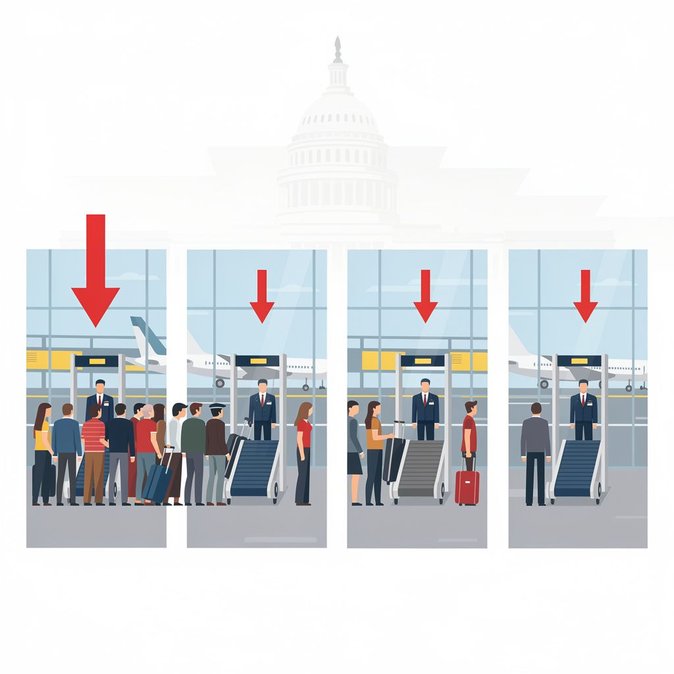
Airports Most Hurt by the 2026 TSA Funding Lapse: New Data Show Atlanta Down 77 %
A fresh data set shows just how badly the spring 2026 TSA funding lapse hobbled airport security: ATL’s checkpoint throughput fell 76.9 % while BOS, MIA and SEA suffered double-digit drops. The uneven impact highlights vulnerabilities that corporate travel planners must track as Congress again wrestles with DHS appropriations.
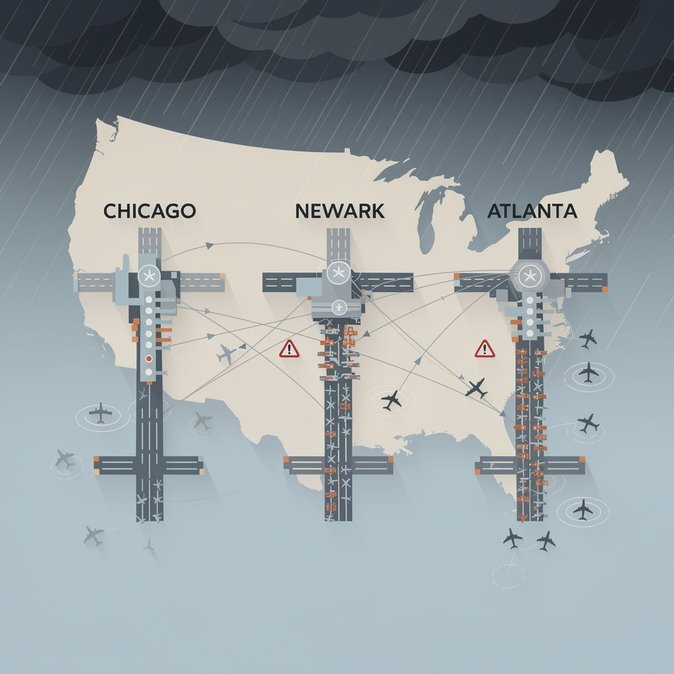
8,000-Plus Flights Disrupted Nationwide as Post-Holiday Storms Collide With Crew Shortages
Storm lines, a Boston Logan fueling failure and tight post-holiday schedules produced one of the most disruptive travel days of 2026: 1,055 U.S. flight cancellations and 7,250 delays on July 6–7. The cascading gridlock at hubs in Chicago, Newark and Atlanta highlights systemic fragility affecting business itineraries and relocation programs.
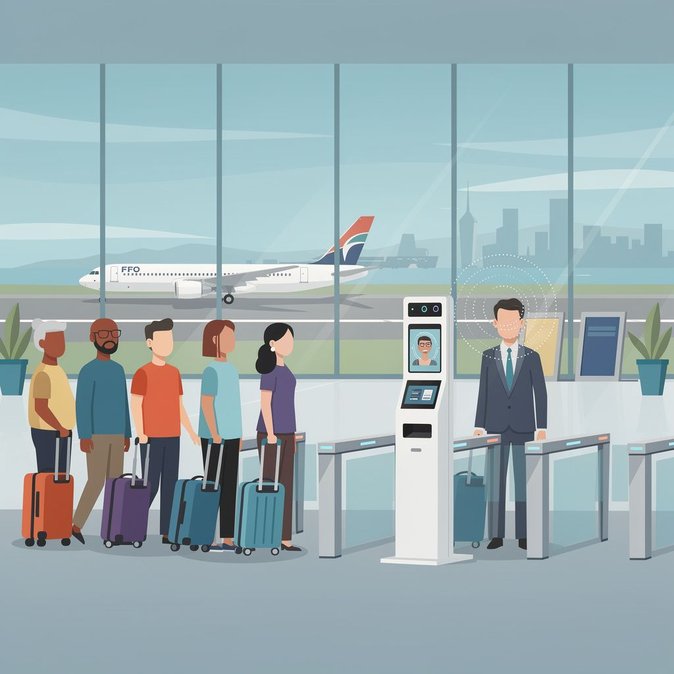
San Francisco International Joins CBP’s ‘Enhanced Passenger Processing’ Network
SFO is now live with CBP’s Enhanced Passenger Processing system, allowing returning U.S. citizens to clear customs via rapid facial recognition. The move is part of a nationwide push to automate identity checks and reduce arrival queues.

Lawsuit Claims U.S. Shared Iranian Asylum Files With Tehran
Public Citizen has sued DHS, alleging ICE routinely shared Iranian asylum seekers’ confidential application files with Tehran, violating federal confidentiality rules and endangering applicants. ICE denies wrongdoing, but the case could reshape how the U.S. handles detainee data from hostile-state nationals.

CBP Widens Biometric Exit Checks at U.S. Airports and Seaports
CBP announced nationwide expansion of its facial-recognition Biometric Exit system, now active at most major U.S. departure gates. The technology strengthens overstay enforcement and will require companies to monitor employee travel dates more closely.

Federal judge orders USCIS to restart stalled green-card and work-permit cases
An Ohio federal court has ordered USCIS to stop holding and start adjudicating thousands of pending green-card, work-permit and related applications that were frozen under Trump-era travel-ban vetting policies. The preliminary injunction requires decisions on employment-authorization documents within 30 days and mandates a compliance report from USCIS, offering long-awaited relief to foreign employees and their U.S. employers. While the Administration will likely appeal, mobility managers should expect dormant cases to move again this summer.
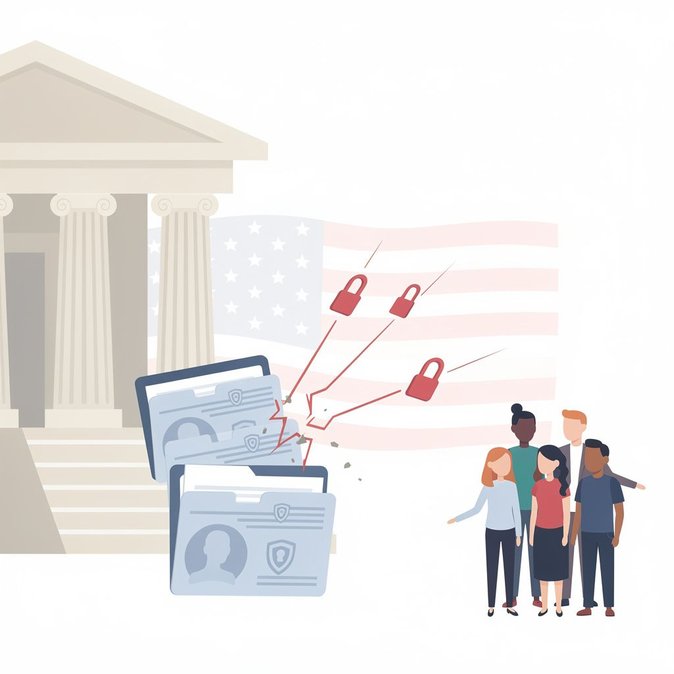
Federal Judge in Ohio Blocks USCIS ‘Nationality Hold’ on 25 Immigration Cases, Rejects National-Security Shield
A Columbus federal judge has ordered USCIS to stop using internal ’national-security’ memos that froze 25 immigration applications, adding to judicial push-back against nationality-based holds. Although the injunction is plaintiff-specific, it strengthens arguments that such policies exceed agency authority and may spur broader relief.

Coast Guard Transfers 5 Migrants to Homeland Security After Miami Interdiction
A Coast Guard cutter and CBP aircraft intercepted an unlit boat near Miami on June 25; on July 7 the Coast Guard transferred the five foreign nationals on board to Homeland Security Investigations for processing. The interdiction, part of Operation Vigilant Sentry, highlights DHS’s continued focus on maritime borders and the operational ripple effects for commercial shipping and business travelers in South Florida.

CBP Expands Facial-Recognition ‘Enhanced Passenger Processing’ to SFO, Cutting Citizen Wait Times by 25 Percent
San Francisco has joined CBP’s Enhanced Passenger Processing programme, letting U.S. citizens clear customs with a quick photo instead of handing over passports. Early data show a 25 percent drop in wait times, promising smoother re-entry for business travellers and assignees. The move accelerates CBP’s shift to nationwide facial recognition by 2028.

Federal Judge Halts USCIS Freeze on Work Permits and Green Cards
A federal judge in Ohio temporarily blocked USCIS from stalling green-card and work-permit cases for applicants from travel-ban nations, ruling the freeze likely unlawful. The decision could open the door for other affected employees to demand action on long-delayed benefits.

8,000 Flights Delayed or Cancelled Nationwide as Holiday Storms and Fuel Glitch Cripple U.S. Aviation Network
More than 1,000 flights were cancelled and over 7,000 delayed on 6 July as thunderstorms, a Boston fuel-system failure and crew shortages hit multiple hubs. With airlines running at maximum load factors, even minor local issues cascaded nationwide, stranding thousands of travellers and stressing corporate travel programmes.

Biden Administration Publishes 2026 Immigration Regulatory Agenda, Signaling Major H-1B, PERM and Student Visa Overhauls
The White House’s July 2026 Unified Regulatory Agenda lays out a packed slate of immigration rules: wage-weighted H-1B selection stays, new H-1B compliance audits are coming, PERM recruitment will be overhauled, prevailing wages will rise sharply, and F-1 students face a shift to fixed I-94 admission dates. Corporate mobility teams should begin impact assessments, budget for higher costs and prepare comment letters.