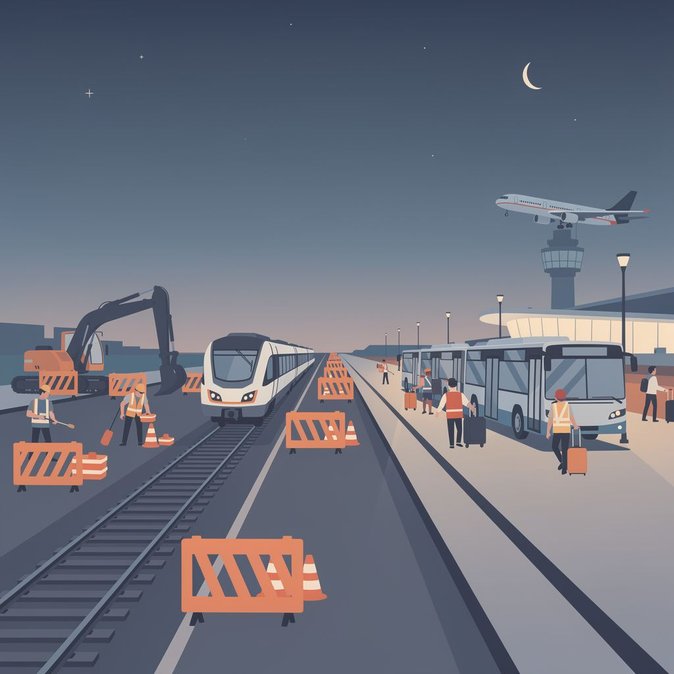
Eurostar has cancelled dozens of cross-Channel services between 5 and 9 July as track and rolling-stock systems struggle with France’s second extreme-heat event this summer. Live travel-update pages show multiple trains axed on the Paris-London route and knock-on delays at Paris Gare du Nord, Brussels-Midi and Amsterdam Centraal. Customers are offered rebooking or refunds. Temperatures above 40 °C have buckled rails, triggered speed restrictions and affected on-board air-conditioning. Eurostar is also warning of “very hot conditions in some destinations which may impact your travel experience,” urging passengers to carry water and arrive early for border checks that themselves are slowed by EES biometric capture.
To help minimise further disruption, VisaHQ can quickly arrange or adjust visas when unexpected rerouting or overnight stays become necessary. Its online portal gives corporate travel managers and individual passengers instant visibility of entry requirements for France, the UK and connecting countries, streamlining paperwork so travellers can focus on alternative transport options rather than embassy queues.
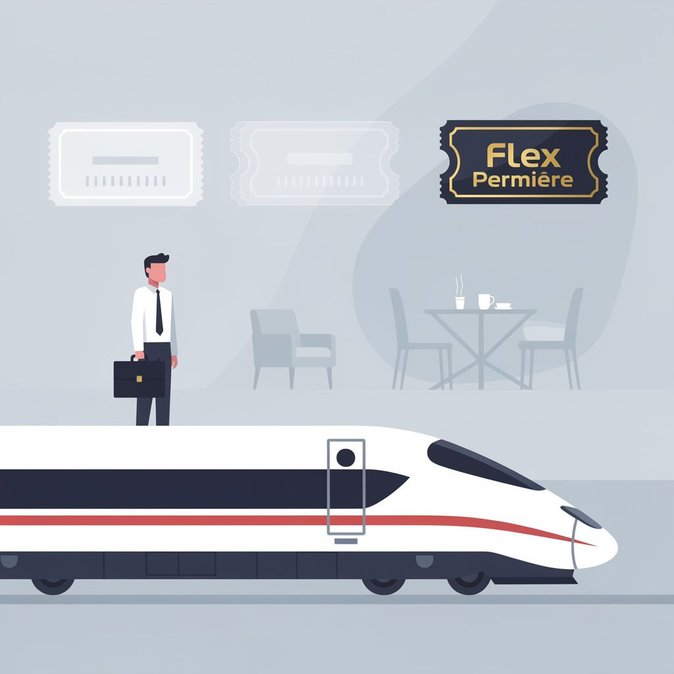
The disruption hits a critical artery for corporate mobility. Eurostar accounted for roughly 80 % of London-Paris business trips in 2025; cancellations force travellers onto short-haul flights or postpone meetings. Freight shippers using the same tunnel face overnight backlogs. Travel managers should activate contingency plans, including flexible tickets, remote-meeting options and overnight accommodation near terminals. From 10 to 14 July further cancellations are already scheduled for operational reasons, suggesting limited spare capacity until mid-month. Infrastructure operator SNCF Réseau says long-term adaptation—heat-resistant rails, improved overhead-line cooling and more robust signalling—is underway but will take several summers to complete. Businesses with France-UK supply chains should expect episodic heat-related rail disruption to become a recurring risk.
To help minimise further disruption, VisaHQ can quickly arrange or adjust visas when unexpected rerouting or overnight stays become necessary. Its online portal gives corporate travel managers and individual passengers instant visibility of entry requirements for France, the UK and connecting countries, streamlining paperwork so travellers can focus on alternative transport options rather than embassy queues.
The disruption hits a critical artery for corporate mobility. Eurostar accounted for roughly 80 % of London-Paris business trips in 2025; cancellations force travellers onto short-haul flights or postpone meetings. Freight shippers using the same tunnel face overnight backlogs. Travel managers should activate contingency plans, including flexible tickets, remote-meeting options and overnight accommodation near terminals. From 10 to 14 July further cancellations are already scheduled for operational reasons, suggesting limited spare capacity until mid-month. Infrastructure operator SNCF Réseau says long-term adaptation—heat-resistant rails, improved overhead-line cooling and more robust signalling—is underway but will take several summers to complete. Businesses with France-UK supply chains should expect episodic heat-related rail disruption to become a recurring risk.