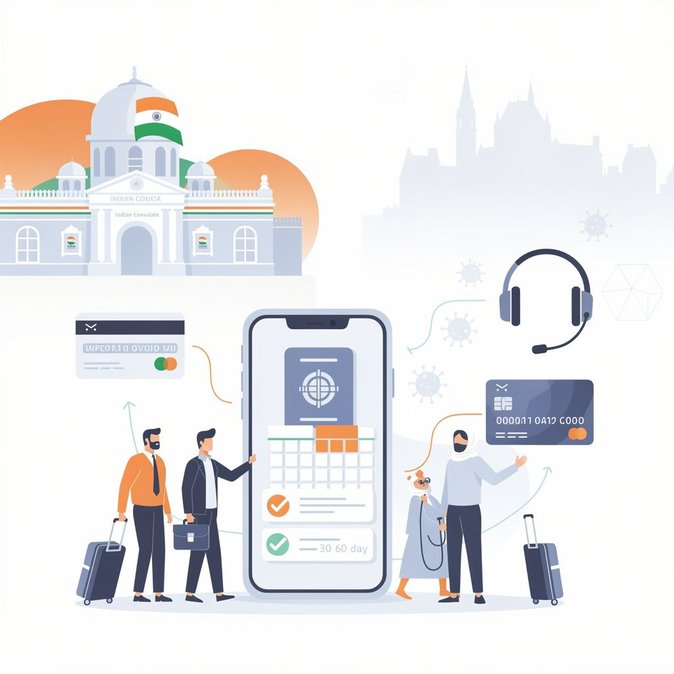
The Consulate General of India in Edinburgh quietly refreshed its e-Visa advisory page on 10 July 2026, providing long-awaited clarity for travellers after a week of social-media complaints about delayed approvals. The notice confirms that all previously issued e-Visas – whether granted before their COVID-era suspension or after the December 2023 restart – remain valid for travel so long as the allotted number of entries has not been exhausted. Crucially for mobility planners, the advisory re-states that only six sub-categories are available under the e-Visa regime: e-Tourist, e-Business, e-Conference, e-Medical, e-Medical Attendant and the e-Emergency X-Misc visa for Afghan nationals. Applicants seeking employment, student or research visas must continue to use the regular sticker-visa channel. The Consulate also reminds travellers that an e-Visa may be used a maximum of three times in a calendar year and is normally valid for 60 days from arrival (30 days for e-Conference). Entry limits remain unchanged – double entry for business and tourist, triple for medical. To tackle a spike in payment failures reported by UK applicants, separate 11-hour helplines have been published for SBI ePay and Axis Bank gateways, alongside the central 24×7 Indian e-Visa helpline (+91-11-2430 0666). The Consulate stresses that it plays no role in adjudication and cannot expedite cases – a point often misunderstood by business travellers who try to chase approvals through local missions. Immigration counsel note that the updated FAQ removes a reference to mandatory COVID-19 vaccination documentation, effectively ending residual pandemic-era requirements. However, travellers must still carry a printed e-Visa approval letter and the same passport used during application. Airlines have been advised via a DGCA circular to verify e-Visa validity at check-in to reduce on-arrival denials. For companies moving staff between the UK and India, the key takeaway is that the e-Business visa process remains fully digital with a stated service standard of 72 hours, but spikes in end-of-fiscal-quarter demand can push approvals to five working days. Mobility managers should factor this into assignment timelines, particularly for last-minute bid-defence travel.
How VisaHQ can help
VisaHQ simplifies the visa application process for individuals and businesses. Check current travel requirements, prepare the required documents and manage your application online through the VisaHQ India portal.More From India
View all
Modi courts New Zealand CEOs, touts FTA as gateway for ‘technology and talent mobility’
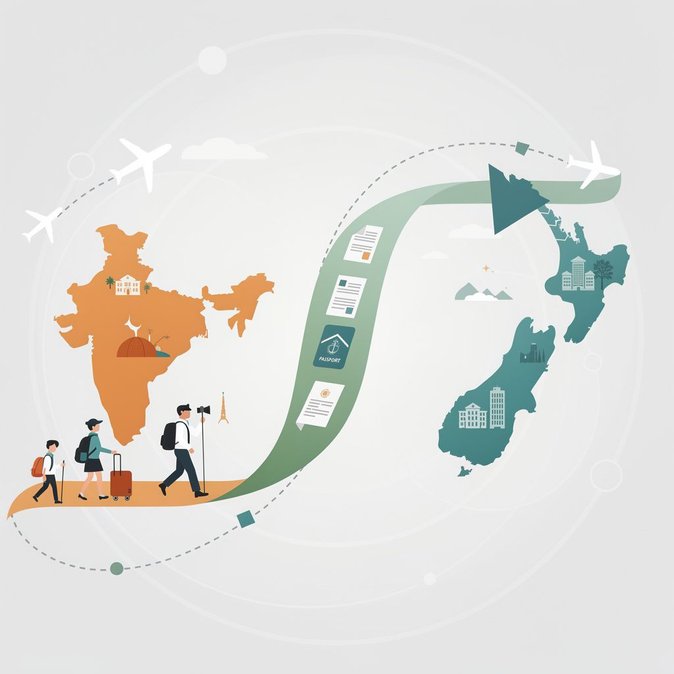
Roadmap 2030: India–New Zealand Strategic Partnership sets measurable targets for student, skills and tourism mobility