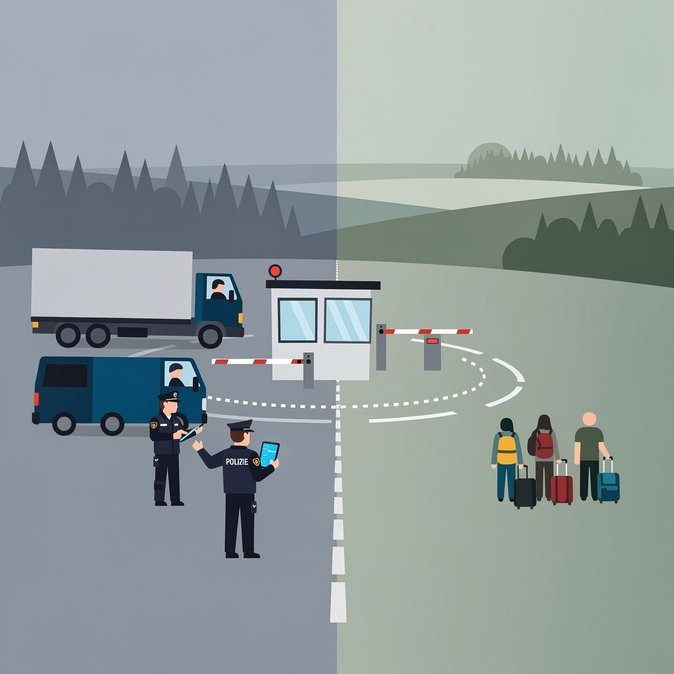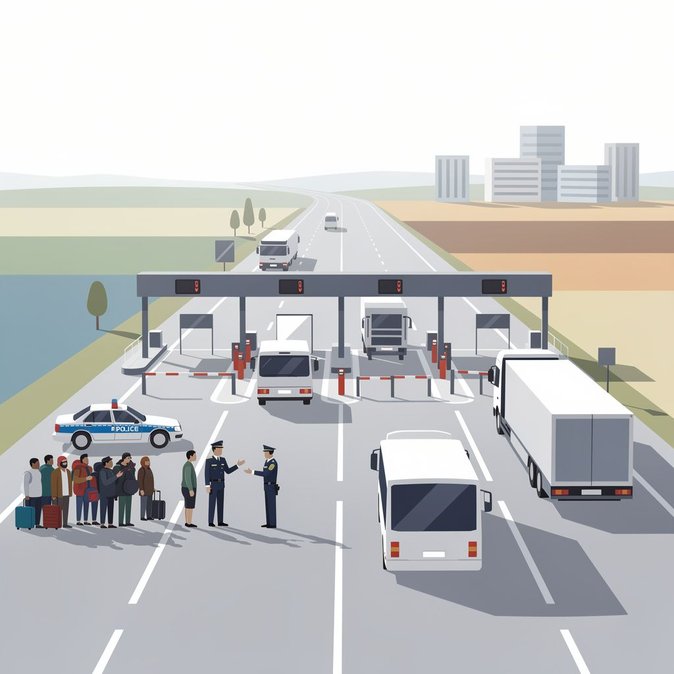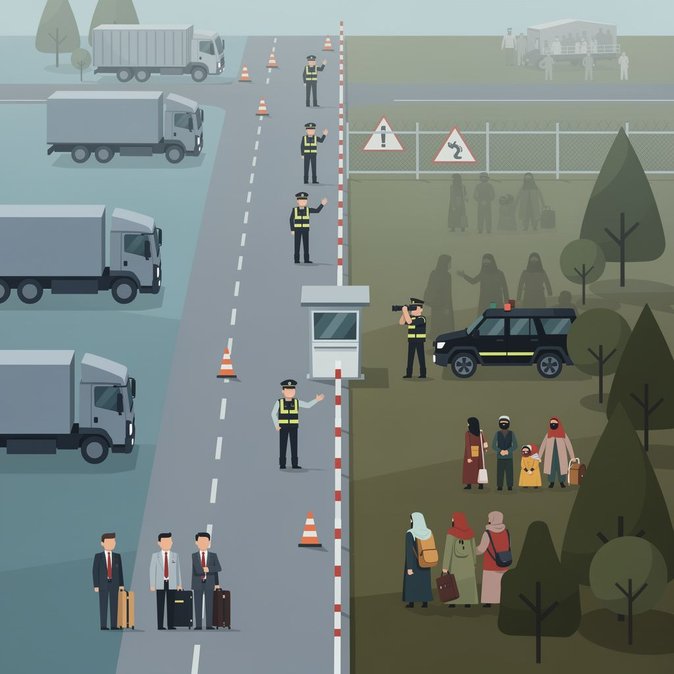
The Polish weekly “Tygodnik Solidarność” cites an official communiqué from Straż Graniczna showing that between Friday 10 July and Sunday 12 July, officers in the Podlasie sector recorded 37 attempts to breach the Polish-Belarusian border. The figure marks a noticeable uptick after several days of single-digit activity. Eighteen attempts occurred on Friday, nine on Saturday and ten on Sunday, mostly near the Mielnik and Białowieża stations. Some would-be migrants retreated into Belarus when confronted by patrols, while others were detained on Polish soil. Nationalities included Afghans and Pakistanis, confirming that the route continues to attract non-European migrants flown into Minsk under tourist pretexts. The spike coincides with seasonal construction recruitment in Poland and Germany, where smugglers advertise quick passage for labour-seekers. Employers engaging third-country nationals must ensure that any recruits have legitimate work permits and that subcontractors are not sourcing labour from illegal channels—penalties for knowingly hiring irregular migrants can reach PLN 30,000 per person. Poland’s government maintains a three-kilometre restricted zone along parts of the border, and corporate security managers should warn travelling staff to carry IDs and expect road closures or military exercises (a large manoeuvre is scheduled for 13–14 July). Logistics firms using the Kuźnica or Bobrowniki crossings may face sporadic hold-ups as checks intensify following the weekend incidents. Strategically, the data underline that, despite a fivefold year-on-year decline in overall attempts, the “hybrid” pressure from Minsk is far from over. The EU’s pending overhaul of the Asylum Procedures Regulation will give frontline states like Poland more tools to process (and quickly return) inadmissible applicants—legislation that mobility stakeholders should follow closely.
Source: Tygodnik Solidarność