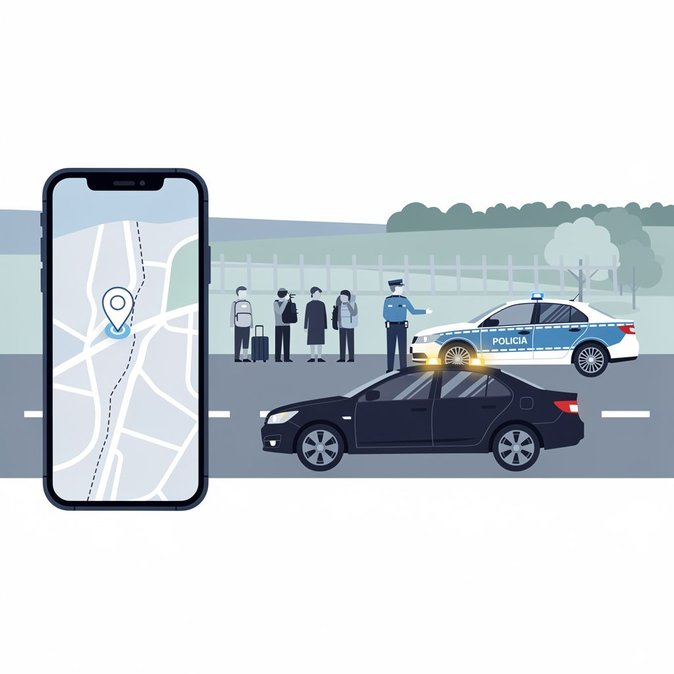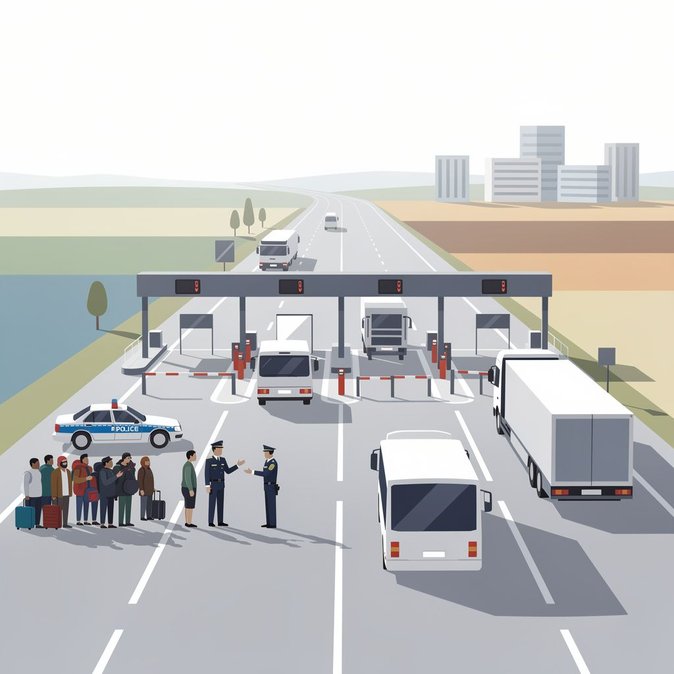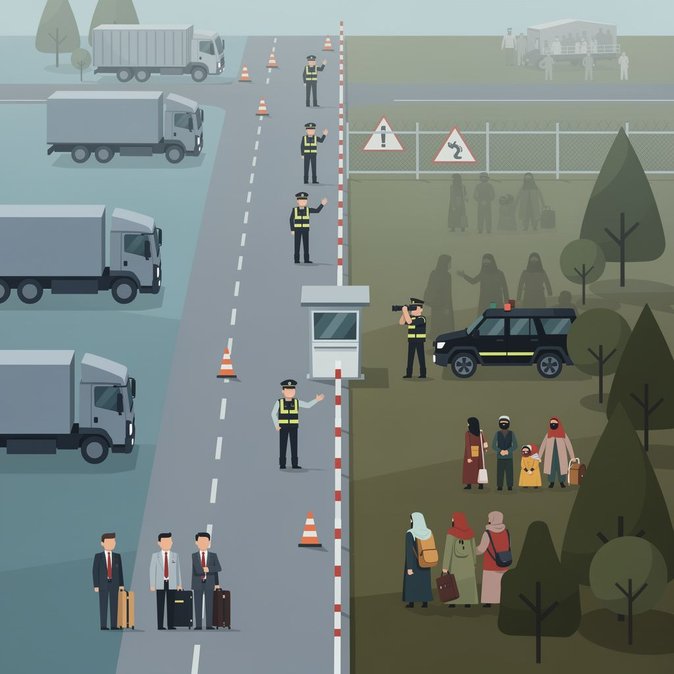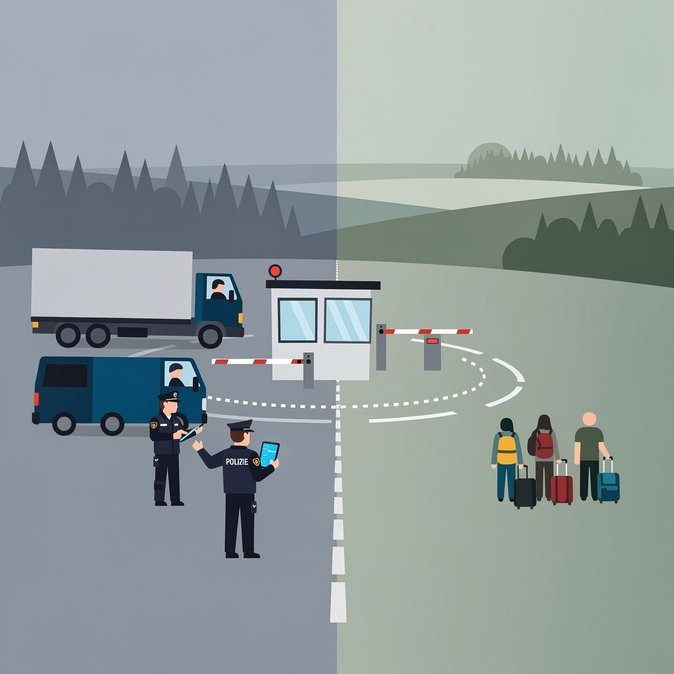
A Deutsche-Presse-Agentur (dpa) dispatch published by DIE ZEIT on 13 July 2026 reports that Germany’s special controls along its land border with Poland are dramatically reducing irregular migration. The Bundespolizei Directorate in Bad Bramstedt recorded 439 unauthorised entries in the first half of 2026 across the Mecklenburg-Vorpommern stretch—down from 813 in the same period of 2025. Under the re-introduced Schengen-Code Article 25 controls, German officers screen car and rail passengers within 30 km of the frontier and can carry out on-the-spot returns. Of the 439 detected cases, 389 individuals were immediately readmitted to Poland, and 10 alleged smugglers were arrested (compared with 18 last year). The sharpest month-on-month fall came in June, which authorities link to the "Belarus Route" losing popularity as smugglers test alternatives via the Baltic states. For Polish companies that run shuttle buses or trucking operations into Germany, the numbers signal shorter waiting times at crossing points, but carriers must still factor in random checks that can delay just-in-time deliveries. HR teams posting Polish workers to German job sites should budget extra travel time and advise staff to carry passports, residence cards and A1 certificates to avoid fines or refusals. Berlin insists the controls are temporary and targeted, yet it has already prolonged them twice amid domestic political pressure. Migration lawyers note that secondary movements within Schengen remain high, and other member states—Austria, Denmark—have copied Germany’s model. The European Parliament continues to debate a reform of the Schengen Borders Code that would impose stricter proportionality tests before any future re-introductions, but agreement is unlikely before 2027. Businesses on both sides of the Oder-Neisse frontier therefore face an extended period of ad-hoc controls. Mobility managers should monitor daily bulletins from the Bundespolizei and Poland’s Straż Graniczna and prepare contingency routings for time-critical shipments and commuter traffic.
Source: DIE ZEIT / dpa