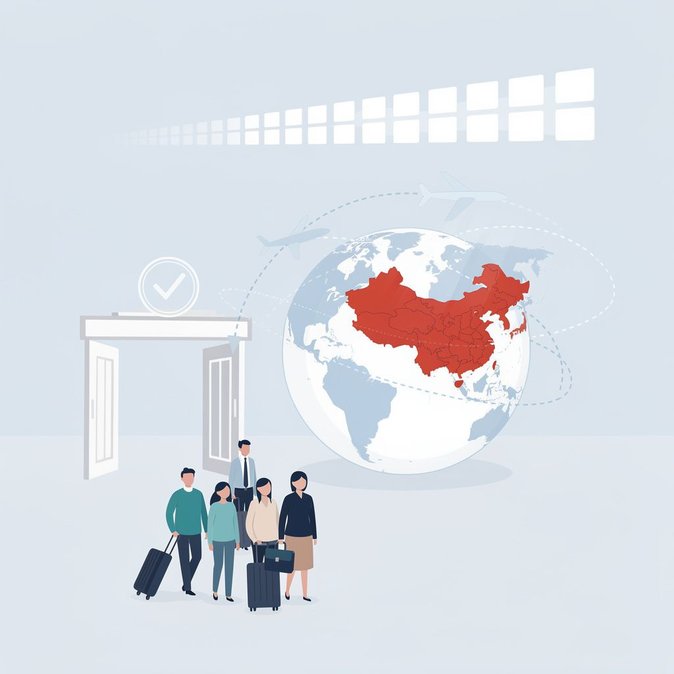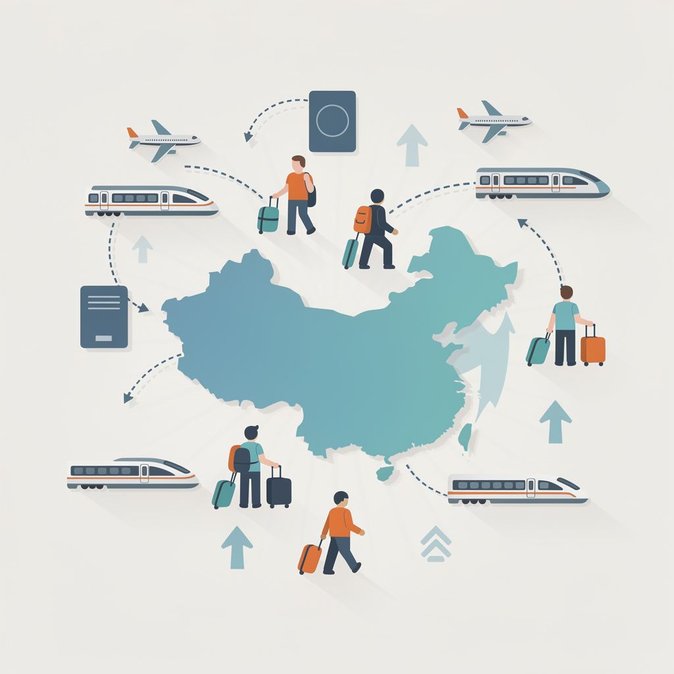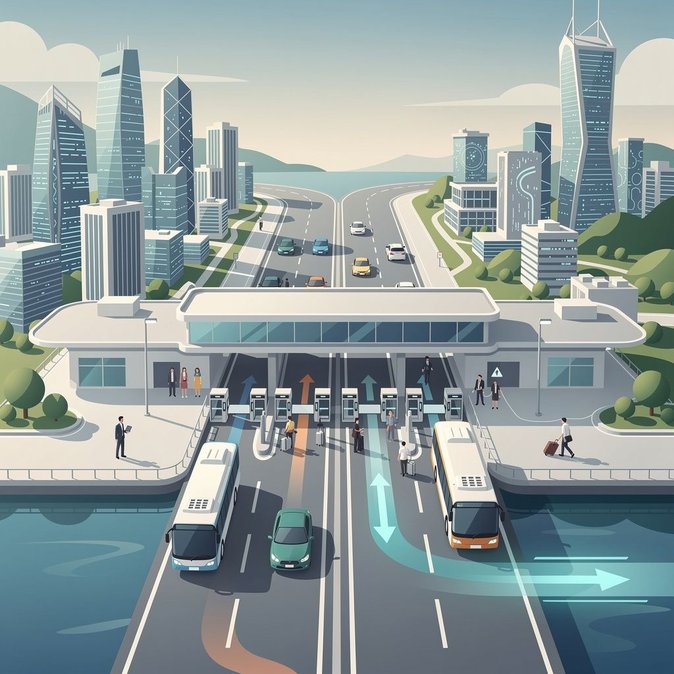
Hong Kong on 14 July tabled the Huanggang Port Hong Kong Port Area Bill, the local legislation required to implement a fully co-located immigration and customs clearance facility at the rebuilt Huanggang / Lok Ma Chau land border. The co-location model—already in use at the West Kowloon high-speed-rail terminus and the Hong Kong-Zhuhai-Macao Bridge—will, for the first time, be applied to a 24-hour road crossing handling more than 60,000 travellers a day. Under the arrangement, travellers will pass exit formalities for Hong Kong and entry formalities for mainland China in one building before boarding dedicated shuttle buses to Shenzhen, cutting average processing times from about 30 minutes to under five. For corporate mobility managers the new process promises faster, more predictable door-to-door journeys between Hong Kong’s financial district and Shenzhen’s tech parks. Cross-border commuters—estimated at 31,000 daily—will be able to clear both jurisdictions without changing floors, a major advantage during peak hours. Logistics operators will benefit too: freight drivers will remain in their vehicles while officials from both sides carry out one-stop inspections. The National People’s Congress Standing Committee approved the transfer of jurisdiction over part of the mainland port area to Hong Kong on 26 June. Once LegCo passes the bill—expected before the summer recess—the governments will announce an opening date. Businesses should begin revising travel policies, adding the new joint-inspection channel to preferred-route guidance, and briefing assignees on simplified procedures and e-channels being installed for holders of Home Return Permits, Mainland Travel Permits and electronic passports. Longer-term, officials have signalled that data-sharing protocols piloted at Huanggang will underpin a “Greater Bay Area Single Window” allowing pre-clearance for people and goods across 11 cities. If successful, the model may be replicated at other busy Guangdong-Hong Kong crossings, further integrating talent pools on both sides of the border.
Source: South China Morning Post