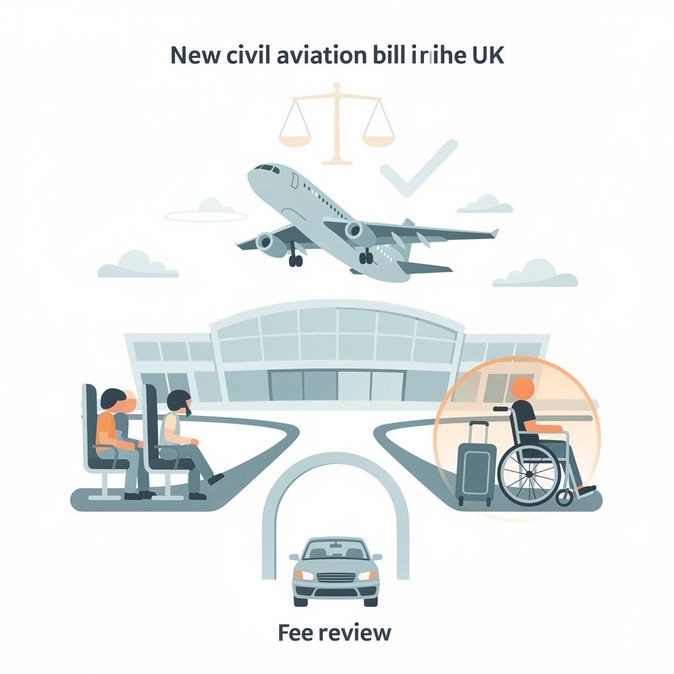
Peers completed detailed scrutiny of the Civil Aviation (Consumer Protection and Regulatory Reform) Bill on 13 July, approving a package of amendments that will reshape the UK’s aviation consumer-protection landscape. The Bill—originally introduced to modernise more than 30 separate pieces of post-war legislation—now includes language that prevents airlines from splitting family groups booked on the same reference, obliges carriers to establish clear complaint channels for disabled travellers and removes the £1,500 compensation cap for damaged mobility equipment on domestic flights. A government amendment accepted without a vote requires the Department for Transport to review the impact of airport ‘kiss-and-fly’ drop-off fees within 12 months of Royal Assent, amid concerns that the charges disproportionately affect lower-income families and force additional car journeys. Attempts by opposition peers to mandate automatic penalty payments for airlines that fail to meet Civil Aviation Authority (CAA) refund deadlines were defeated, although ministers hinted that secondary legislation could revisit the issue. For travel-intensive corporates the Bill—due for third reading on 20 July—will deliver clearer liabilities when employees’ wheelchairs or IT equipment are mishandled on domestic sectors that feed long-haul trips. It also cements the CAA’s role as sole aviation regulator, streamlining future rule-making on sustainable aviation fuel mandates and slot-allocation reform. Aviation lawyers expect the CAA to publish guidance within three months of enactment, giving carriers and business-travel managers time to update contractual terms. Companies may wish to audit current travel policies to ensure that booking tools capture the names of all travellers—including dependants—to benefit from the new family-seating protection.