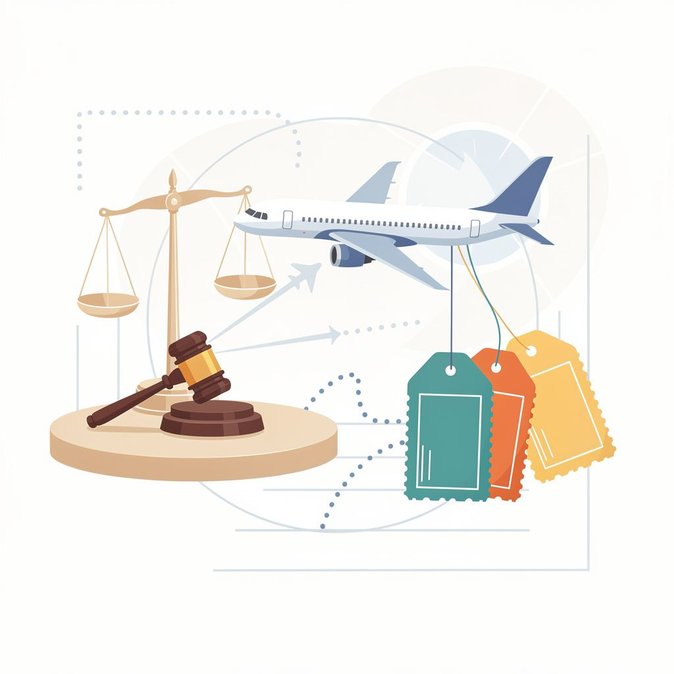
In a hearing on 13 July, India’s Supreme Court gave the Ministry of Civil Aviation just two weeks to submit the draft rules framed under the Bharatiya Vayuyan Adhiniyam 2024, the law that replaced the 90-year-old Aircraft Act. The case stems from a public-interest petition that alleges airlines exploit dynamic pricing to impose “arbitrary and excessive” fares during festivals and emergencies. The Court specifically wants to see provisions covering fare transparency, caps on surge pricing, limits on ancillary fees such as seat-selection and baggage, and strengthened refund and grievance-redressal mechanisms. Unless the government files the rules in a sealed cover by 29 July, the Bench warned it could issue directions that bind regulators and carriers directly. For global mobility managers the case matters because India is one of the few major markets without fare-regulation benchmarks. Sudden spikes—airfares sometimes triple during Diwali or when rail lines are disrupted—inflate relocation budgets and complicate duty-of-care planning. A robust rule-set could introduce price bands similar to those in Brazil or the Philippines, giving companies clearer cost forecasts. Airlines argue that rigid caps will stifle revenue management and deter investment, especially as fuel prices and lease rates climb. Industry lobby Federation of Indian Airlines has urged the Court to allow “market-based pricing within a fair, transparent framework”. Observers expect intense behind-the-scenes negotiations before the next hearing on 3 August. Regardless of the outcome, HR teams should brace for a transition period: once notified, the rules will require carriers to upgrade reservation systems, publish fee tables and train staff—changes likely to disrupt booking workflows in the short term even as they promise longer-term cost clarity.
Source: The Financial Express