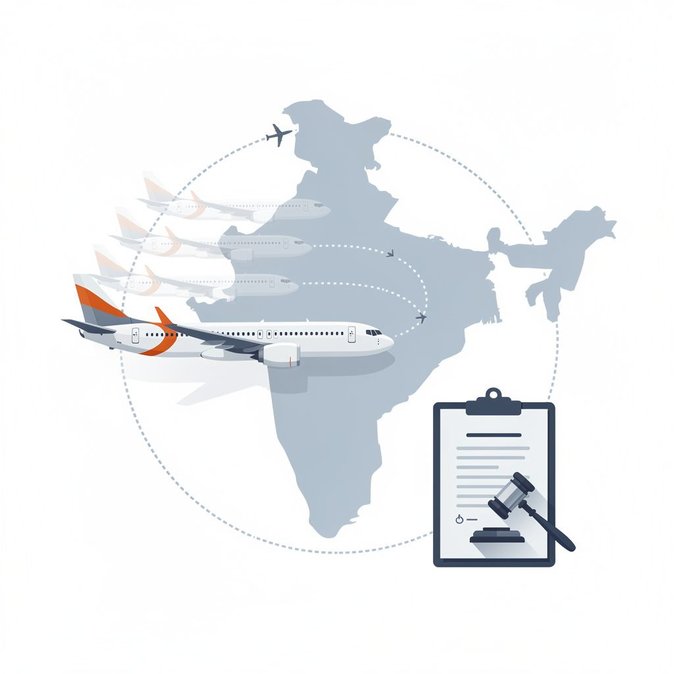
Aircraft-financing SPVs owned by Beijing-backed ICBCIL Aviation have filed Irrevocable De-Registration and Export Request Authorisations (IDERAs) with India’s Directorate General of Civil Aviation to repossess four grounded Boeing 737-MAX aircraft leased to SpiceJet. The DGCA published the notices on 13 July, starting the 30-day clock under the Cape Town Convention for deregistration. SpiceJet says operations will be unaffected because the jets have been idle for months amid engine-durability issues and working-capital shortages. Nonetheless, the move underscores a harder stance from lessors after an uptick in airline payment defaults across Asia. For mobility planners, the longer-term risk is capacity erosion: SpiceJet’s active fleet has already fallen below 45 aircraft, and further repossessions could force the low-cost carrier to trim schedules ahead of the October holiday rush, putting upward pressure on fares in price-sensitive tier-2 markets it dominates. The case is also being watched in Dublin and Singapore, where many leasing companies are headquartered. India incorporated Cape Town remedies into domestic law in 2022 to reassure financiers, but slow insolvency proceedings after the Go First collapse have tested confidence. Faster SpiceJet deregistrations would signal that the DGCA can give effect to lessor rights without protracted litigation—potentially lowering lease-rate premiums for financially stronger Indian carriers. Corporate travel buyers may wish to monitor SpiceJet route-cancellation notices closely and secure interline protection on IndiGo or Akasa for essential staff, especially on regional city-pairs where alternatives are limited.
Source: Mint