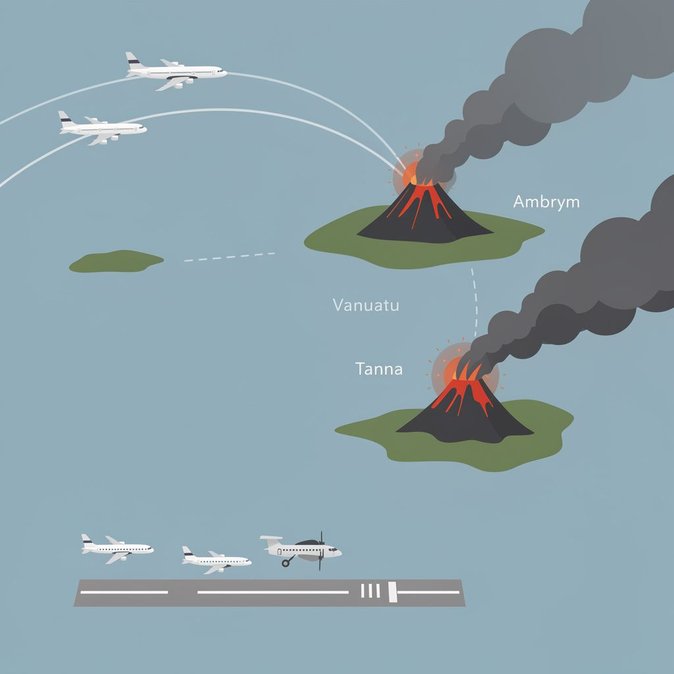
Australia’s Department of Foreign Affairs and Trade (DFAT) raised its Smartraveller advisory for Vanuatu’s Ambrym and Tanna islands to the highest Level 4—“Do Not Travel / Leave Now”—after eruptions at Mount Benbow and Mount Yasur sent ash plumes 3,000 metres into Pacific air routes. The alert, issued late on 14 July and updated on 15 July, urges Australian nationals already in the exclusion zones to evacuate immediately and warns prospective travellers that consular help could be "severely limited" during a large eruption. Domestic carriers Air Vanuatu and Unity Air have cancelled most flights to Tanna’s Whitegrass Airport, while Air Vanuatu’s Sydney and Brisbane services to Port Vila remain unaffected for now. Travel insurers have started activating natural-hazard clauses; AON Asia-Pacific said claim notifications spiked 60 per cent overnight, mainly from adventure-tour operators and consultants on short-term assignments. The decision brings Australia into line with similar upgrades from New Zealand and the United Kingdom and reflects modelling by Geoscience Australia that shows potential aviation ash drift into Brisbane’s flight information region within 36 hours should prevailing winds shift. Aviation meteorologists note that Vanuatu’s volcanoes sit along popular routings between Australia and North America, meaning airlines may be forced to carry extra fuel for detours at short notice. Businesses with personnel in Port Vila have been advised to review shelter-in-place protocols and verify that staff carry at least seven days of essential medication and cash. Mobility specialists suggest relocating field teams to Santo until seismic levels subside. DFAT will run additional consular clinics at the Australian High Commission in Port Vila from 16 July to assist travellers in extending visas or arranging emergency travel documents. While the tourism hit is immediate—industry group Vanuatu Tourism reports a 40 per cent drop in forward bookings for August—analysts say the decisive advisory may limit reputational damage by emphasising safety and ensuring disruption is managed rather than chaotic.
Source: Atlas Guide Travel News