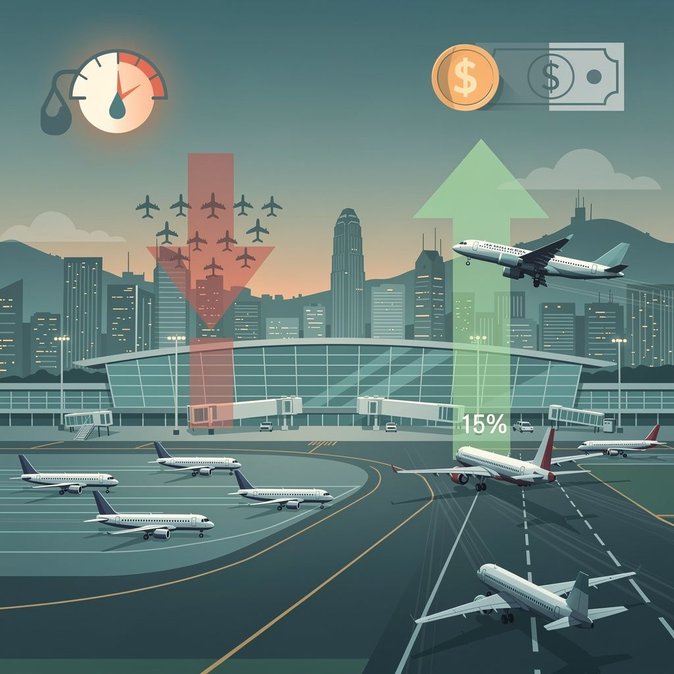
Fresh tourism data released on 16 July show Hong Kong welcomed 3.72 million visitors in June, up 7 % year-on-year, yet arrivals from nearby Asian markets fell sharply. The Hong Kong Tourism Board blamed two headwinds: a resurgent Hong Kong dollar, which has appreciated 9 % against many regional currencies, and steep jet-fuel prices linked to the Middle-East conflict that have forced airlines such as AirAsia to cut capacity. Non-mainland short-haul arrivals—covering Japan, South Korea, Southeast Asia and Taiwan—dropped 15 % to 561,000. In contrast, long-haul traffic from Europe and North America grew 16 % as carriers reinstated belly-cargo-friendly routes. Mainland Chinese visitors continued to dominate with 2.88 million entries, a 10 % rise, supported by high-speed-rail promotions and duty-free shopping campaigns. For multinational employers, the figures flag divergent recovery paths. Regional sales teams relying on quick hop-overs from Bangkok or Manila may face higher fare costs and leaner schedules through Q3. Travel managers should lock in corporate fares early and watch surcharge bulletins—Cathay Pacific has already hinted at another review in August. The data also shape government policy. Tourism officials signalled targeted incentives—such as travel-trade funding and airport fee rebates—aimed at short-haul carriers to restore seat supply. Immigration queues, meanwhile, remained below 2024 peaks thanks to expanded visitor e-Channel enrolment introduced in February. Actionable advice: HR departments running rotational assignments from ASEAN hubs should build wider connection windows and encourage staff to pre-register biometrics to speed up arrival processing during the lean-capacity period.
Source: South China Morning Post