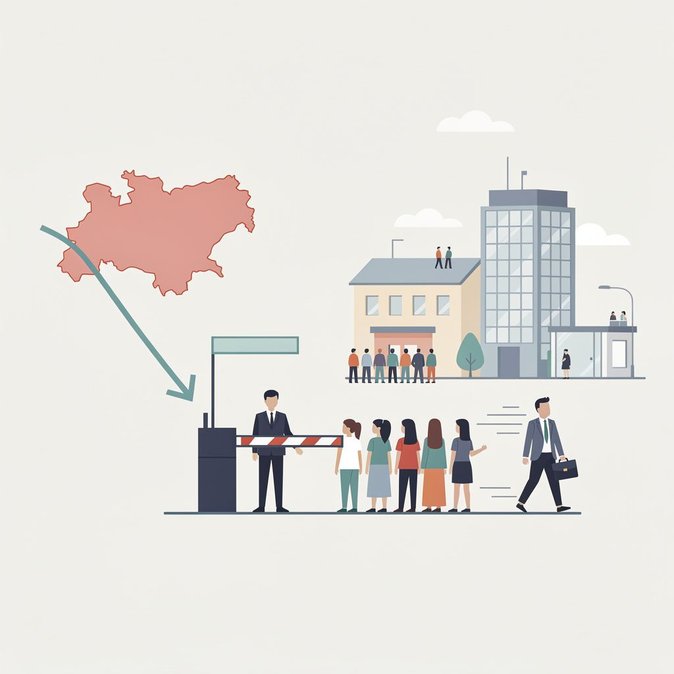
The Swiss State Secretariat for Migration (SEM) published its monthly statistics for June on 16 July, revealing that the country received 9 734 first-time asylum requests between January and June 2026 – 1 907 fewer than in the same period last year. The 16 % decline reverses the steady rise that followed the lifting of most pandemic-era restrictions and brings application numbers close to their 2020 level. SEM officials attribute the drop largely to reduced arrivals from Afghanistan, Turkey and Eritrea, three of Switzerland’s main countries of origin in recent years. Stricter EU external-border checks under the new Entry/Exit System (EES) and bilateral return agreements concluded in late 2025 have also slowed secondary movements into Switzerland. The agency stressed, however, that Syrians remain the largest single group (2 118 applications), reflecting ongoing instability in the region. For employers and cantonal authorities the figures matter because they influence planning for reception-centre capacity, language-training budgets and labour-market integration programmes. The Federal Council sets an annual credit line for asylum infrastructure on the basis of SEM forecasts; the lower inflow could free up funding for skills-matching initiatives aimed at easing Switzerland’s chronic shortage of IT and health-care staff. Corporate mobility managers should note that the easing of pressure on the asylum system does not change Switzerland’s strict separation between protection and labour migration channels: asylum seekers still require a work permit from the canton after a three-month waiting period. Nevertheless, a lighter administrative workload at SEM could shorten processing times both for asylum cases and for third-country work-permit requests, improving overall predictability for global assignments.