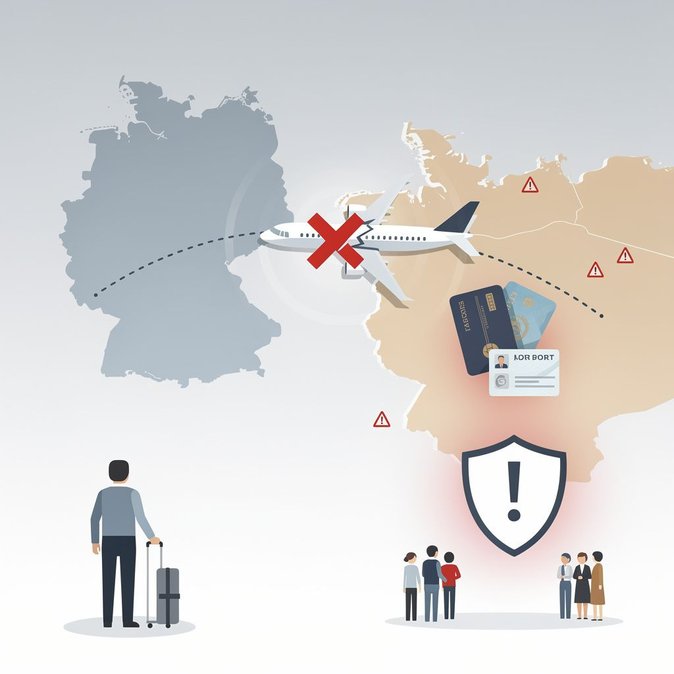
In a same-day update on 18 July, the German Foreign Office raised its Iran advisory to “Reise nur wenn zwingend nötig” (travel only if essential) after a seventh consecutive night of US-Iran missile and drone strikes in the Gulf. The ministry cites a heightened risk of arbitrary detention, air-space closures and collateral damage to civilian shipping and aviation. German carriers have already reacted: Lufthansa extended its overflight ban for Iranian airspace until at least 29 July and is re-routing Bangkok and Delhi services via Turkey, adding up to 90 minutes of flight time. Freight forwarders DB Schenker and Dachser report surcharges on sea-air cargo routed through Jebel Ali and are advising clients to build five extra days into supply-chain lead times. For global-mobility teams, the advisory triggers corporate Duty-of-Care protocols: mandatory travel-waiver forms, daily check-ins, and confirmation that staff in Iran have exit visas not tied to local sponsors. The AA warns that dual German-Iranian nationals are particularly vulnerable to exit bans and, in some cases, may be barred from receiving consular assistance. Insurance underwriters Allianz Partners and HanseMerkur have moved Iran from Category 3 to Category 4 on their risk scales, meaning higher premiums and new exclusions for war-related incidents. Companies planning to evacuate dependants from Tehran or Isfahan should note that charter options are limited; neighbouring Turkey and Qatar require evidence of confirmed onward travel before accepting transit passengers. Business-immigration counsel adds that visa-on-arrival facilities at Imam Khomeini International Airport are frequently suspended during security alerts. Firms are therefore advised to postpone non-critical trips, shift project meetings online and document any cost overruns attributed to force-majeure travel changes for future tax filings.
Source: Auswärtiges Amt