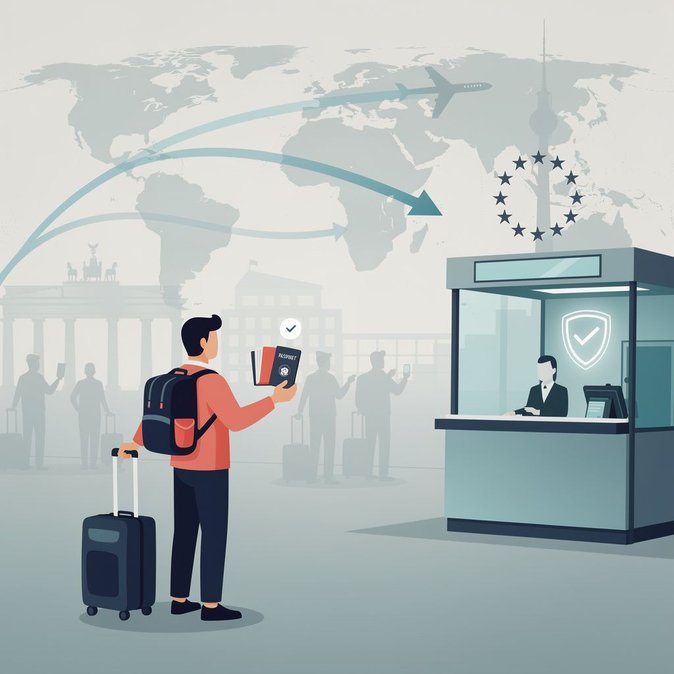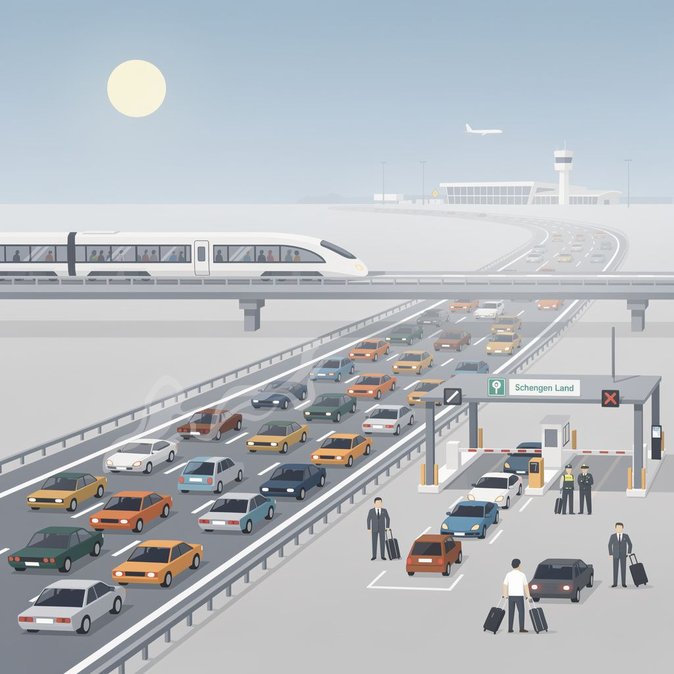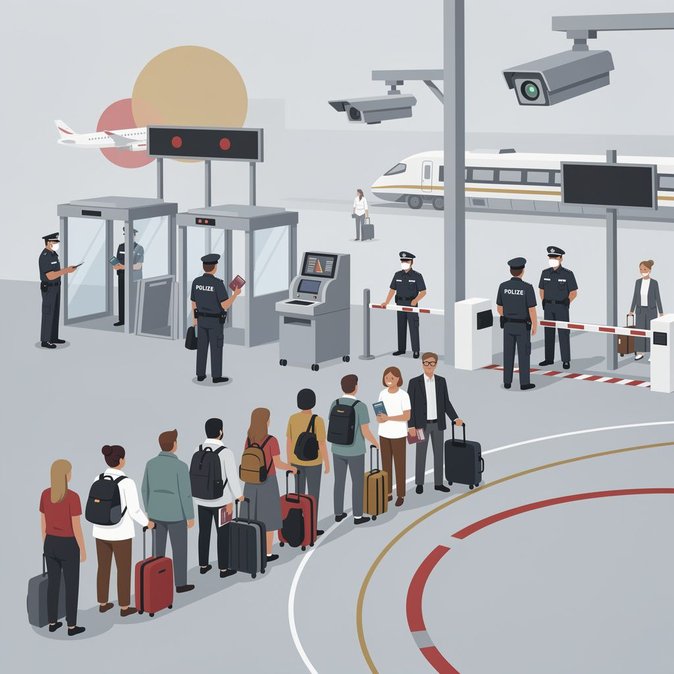
Germany’s Federal Interior Minister Alexander Dobrindt surprised travellers and the business community on the morning of 18 July by declaring a shift from an “abstract” to a “high” terrorism threat level. Speaking to Welt am Sonntag, Dobrindt said intelligence agencies had intercepted concrete plans to target transport infrastructure and “persons or facilities that symbolise the open society we defend.” Although the minister stopped short of announcing new domestic travel restrictions, he confirmed that additional Bundespolizei units have been dispatched to Germany’s 15 international airports and to land-border crossings with Poland, the Czech Republic, Switzerland and the Benelux countries. For business-travel managers, the change means longer queues at passport control, random vehicle checks within the Schengen area and a higher probability of secondary screening for air-cargo consignments. Frankfurt Airport’s operator Fraport told corporate clients it has activated its “Level 2 Contingency Plan”, adding an extra 600 private security guards to passenger screening lanes during the busy summer holiday period. Rail operators Deutsche Bahn and Thalys have also doubled plain-clothes patrols on ICE and cross-border services. Behind the scenes, risk-management teams at multinationals such as BASF and Siemens have triggered internal travel-approval procedures that were first introduced during the 2016–17 security wave. Companies are advising staff to add at least 45 minutes to airport dwell times and to carry physical proof of business purpose—such as meeting invitations—when crossing internal Schengen borders, in case of spot checks by mobile units. Policy analysts note that the decision strengthens Dobrindt’s hand in the ongoing dispute with the European Commission over Germany’s near-permanent border controls, which Brussels wants phased out. By depicting the threat as immediate and trans-national, Berlin can argue that the six-month extension it must decide on by mid-August is an unavoidable safety measure rather than a political statement. If the heightened alert continues into September, HR and global-mobility teams should expect ripple effects: tighter visa-appointment slots at German consulates (as security staff are reassigned), potential flight-schedule adjustments at Lufthansa Group hubs, and further insurance-premium increases for assignees posted to marquee German cities. Companies are therefore advised to refresh emergency-contact trees, review duty-of-care documentation and remind travellers that short-notice ID checks are lawful inside Germany’s borders under the current security ordinance.
Source: Deutsche Welle