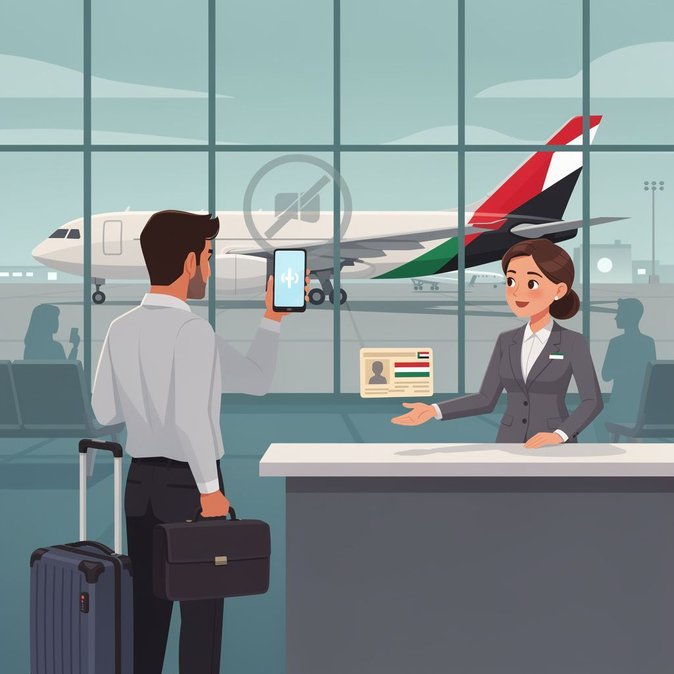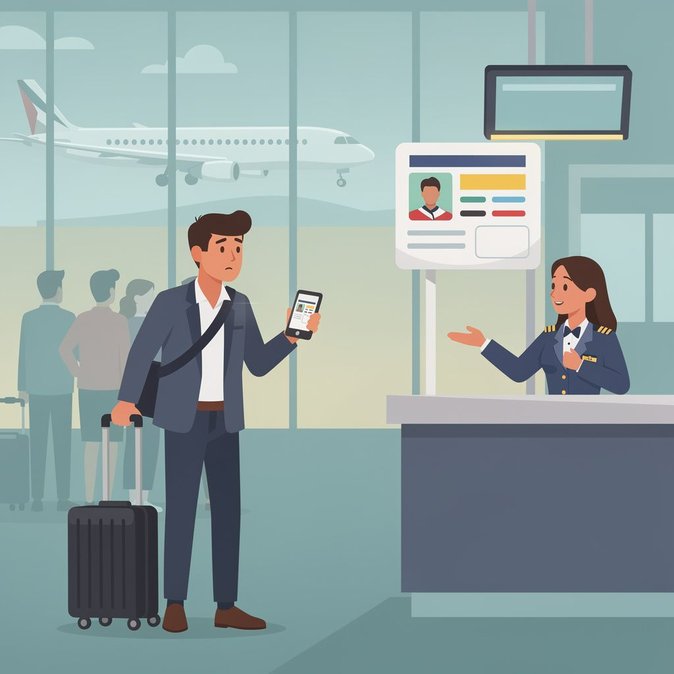
A new travel advisory published on 19 July reminds UAE residents that the physical Emirates ID card—not a digital copy—is now the primary proof of residency when boarding flights back to the Emirates. Gulf News reports multiple cases of passengers being refused check-in at Indian and Canadian airports after presenting only a digital ID or visa sticker. Since 2022 the UAE has phased out residency visa stickers in passports, linking visa status to the Emirates ID’s chip and barcode. Airline and immigration staff outside the UAE therefore require the original card to verify residency in the immigration systems used at departure airports. Failure to present the card can result in denied boarding, re-booking fees, missed workdays and even salary deductions. Travel consultants advise residents to store the card separately from passports to reduce the risk of simultaneous loss or theft. Passengers who have recently renewed their visas but are awaiting a new ID should carry the printed residency approval and confirm airline acceptance in advance. The Federal Authority for Identity, Citizenship, Customs & Port Security (ICP) says digital IDs in the UAE Pass app are useful inside the country but cannot yet substitute the physical card abroad. For global-mobility teams the advisory has operational implications: assignee travel checklists must place the Emirates ID alongside passports and vaccination certificates. Companies arranging group moves over the Eid and summer peaks should schedule buffer days in case staff forget their IDs and need courier services. Longer term, industry bodies expect IATA’s One-ID initiative to enable secure digital credentials, but until bilateral agreements are signed, the plastic card remains king. Ignoring the rule could cost both employees and employers time, money and project momentum.
Source: Gulf News