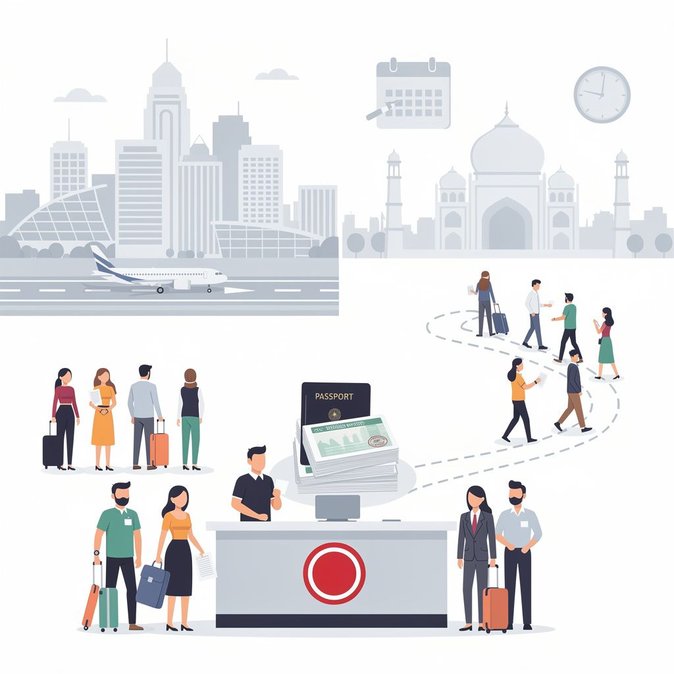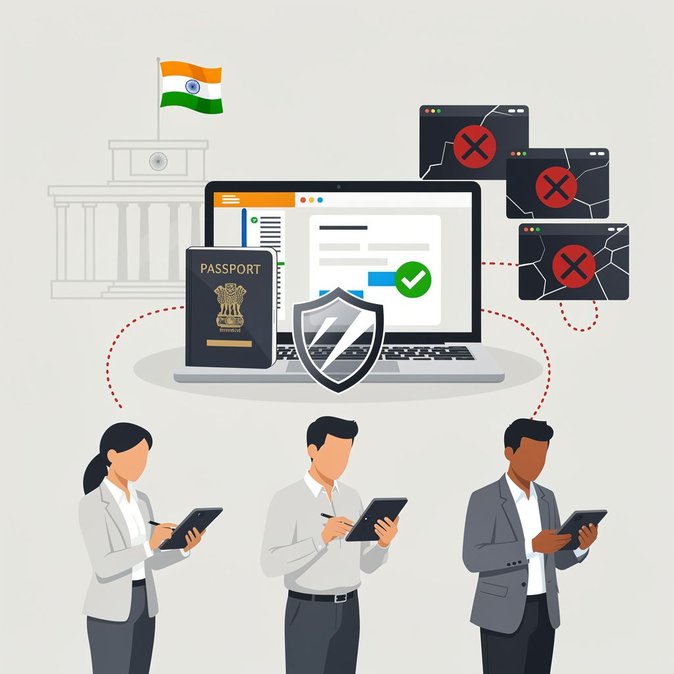
At least six Indian embassies and consulates—including those in São Paulo, Kuwait City, Bogota, Seoul and Maputo—re-issued coordinated public advisories on 20 July 2026 cautioning travellers about fraudulent websites posing as the Government of India’s e-Visa portal. The missions emphasise that the only legitimate domain is ‘indianvisaonline.gov.in’ and urged applicants to avoid intermediaries who charge inflated fees or harvest personal data. The warning follows a spike in phishing incidents reported to the Bureau of Immigration’s cyber-cell, where victims paid up to US$300 via cryptocurrency for visas that never materialised. Some fraudsters have begun emailing doctored approval letters bearing forged QR-codes that fail at Indian airports, leading to denial of boarding or deportation on arrival. For corporate mobility teams, the resurgence of scams is a reminder to embed domain-whitelisting rules into self-service booking platforms and to discourage employees from Googling ‘India e-visa’—a search term saturated with sponsored ads from look-alike sites. Travel managers should circulate the official URL, highlight that the genuine fee for most e-Tourist and e-Business visas is US$40–100 (payable only on the government site) and mandate a compliance check before tickets are issued. The Ministry of Home Affairs is reportedly piloting a new verification widget that will allow airlines and travel agents to cross-check e-Visa numbers in real time against the immigration database—an upgrade that could be rolled out before the Diwali peak-season. Until then, carriers may continue manual scrutiny at check-in, increasing the risk of last-minute denials if travellers use fake approvals. Companies sending short-term assignees to India should therefore budget extra time for visa validation and consider bulk-training sessions to familiarise travellers with the Indian e-Visa interface. Failure to do so could result in stranded staff, project delays and reputational damage.